Tag

Timp2

All articles tagged with #timp2

science-and-health3 months ago

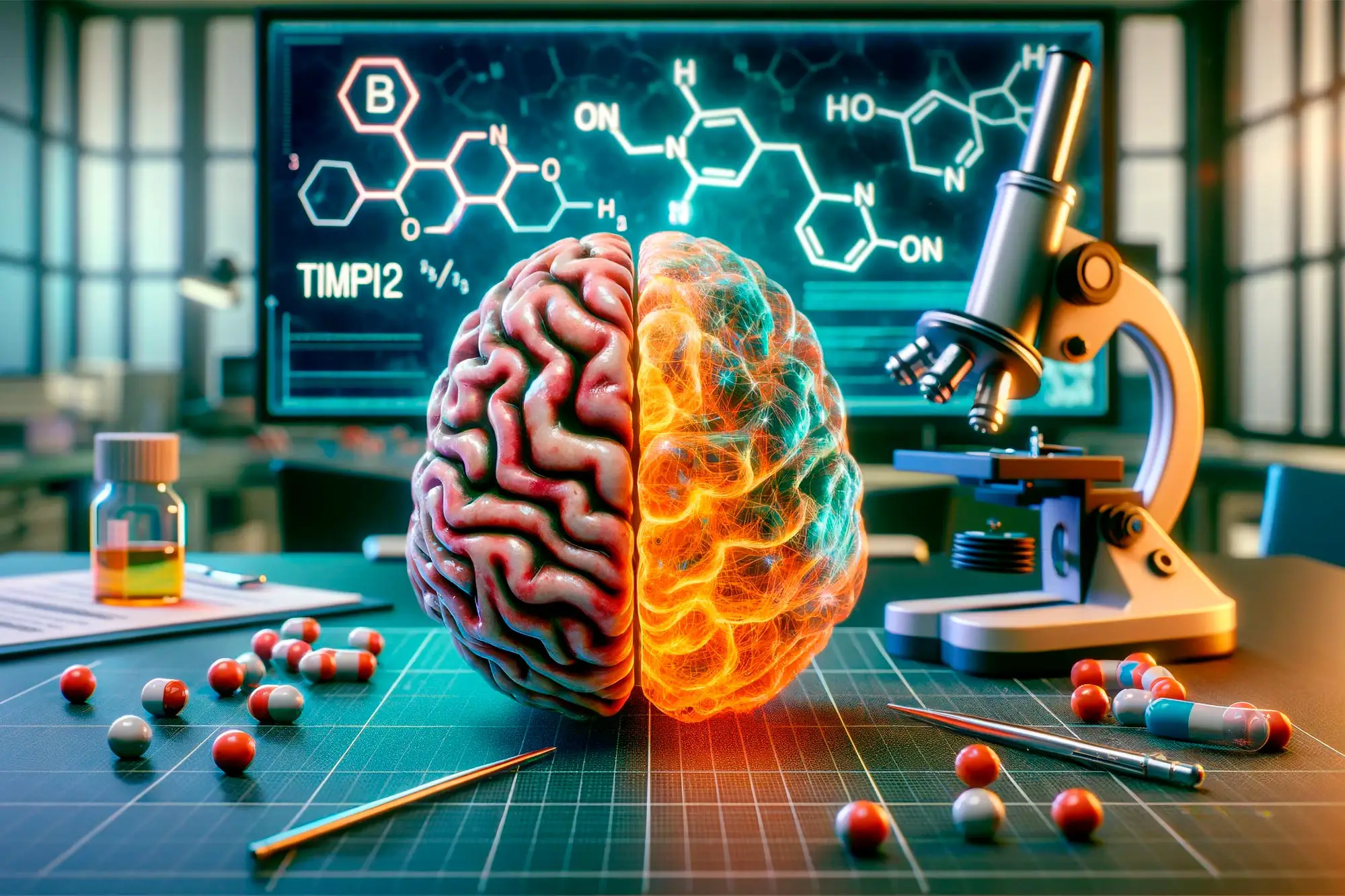
Mount Sinai Study Links Youth Protein TIMP2 to Rejuvenated Brain Immune Cells in Mice

Researchers at Mount Sinai discovered that the protein TIMP2 helps maintain the health of microglia, the brain's resident immune cells, in aging mice. Published in Nature Communications, the study shows that removing TIMP2 causes microglia to exhibit aging traits, such as poor debris clearance and increased inflammation. Conversely, restoring TIMP2 in aged mice improved their ability to clear cellular waste and reduced inflammatory markers. This suggests that systemic youth-associated factors may directly influence brain immune function, offering a potential new avenue for treating neurodegenerative diseases. The findings highlight a connection between general aging processes and specific brain health, though human applicability remains unproven.
"Unlocking the Fountain of Youth: The Potential of a Protein to Reverse Brain Aging"
health3 years ago

"Unlocking the Fountain of Youth: The Potential of a Protein to Reverse Brain Aging"

Researchers at Mount Sinai have discovered that the protein TIMP2 plays a crucial role in regulating brain plasticity, particularly in the hippocampus, a region important for memory and learning. Decreasing TIMP2 levels in mutant mouse models led to reduced plasticity and memory function. This finding could have implications for understanding and treating age-related disorders like Alzheimer's by targeting the brain's extracellular matrix. The study highlights the importance of studying pathways that regulate the extracellular matrix for designing novel therapies for diseases where plasticity is affected.

Decoding the Role of a Key Protein in Aging and Brain Plasticity
neuroscience3 years ago

Decoding the Role of a Key Protein in Aging and Brain Plasticity

A study conducted by researchers at Mount Sinai has revealed new insights into the role of the protein TIMP2 in regulating the plasticity and function of the hippocampus, a key brain region involved in memory and learning. The study found that loss of TIMP2 leads to a buildup of extracellular matrix components in the hippocampus, resulting in reduced plasticity, synaptic integrity, and memory. By targeting these effects with an enzyme that impacts the extracellular matrix, researchers were able to restore impaired plasticity processes. These findings could potentially lead to the development of novel treatments for age-related disorders such as Alzheimer's disease.