Long-lived monocyte cells in lungs may boost flu vaccine efficacy
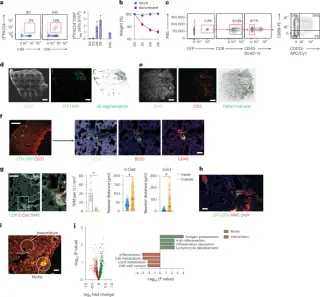
Researchers at the University of Rochester have identified a previously overlooked subset of monocyte-derived cells that persist in the lungs for months after influenza infection. These cells secrete galectin-1, a protein that supports the formation and function of tissue-resident memory CD8+ T cells. Adding galectin-1 as an adjuvant to intranasal flu vaccines in mice significantly improved immune responses, suggesting a new strategy for enhancing respiratory protection.