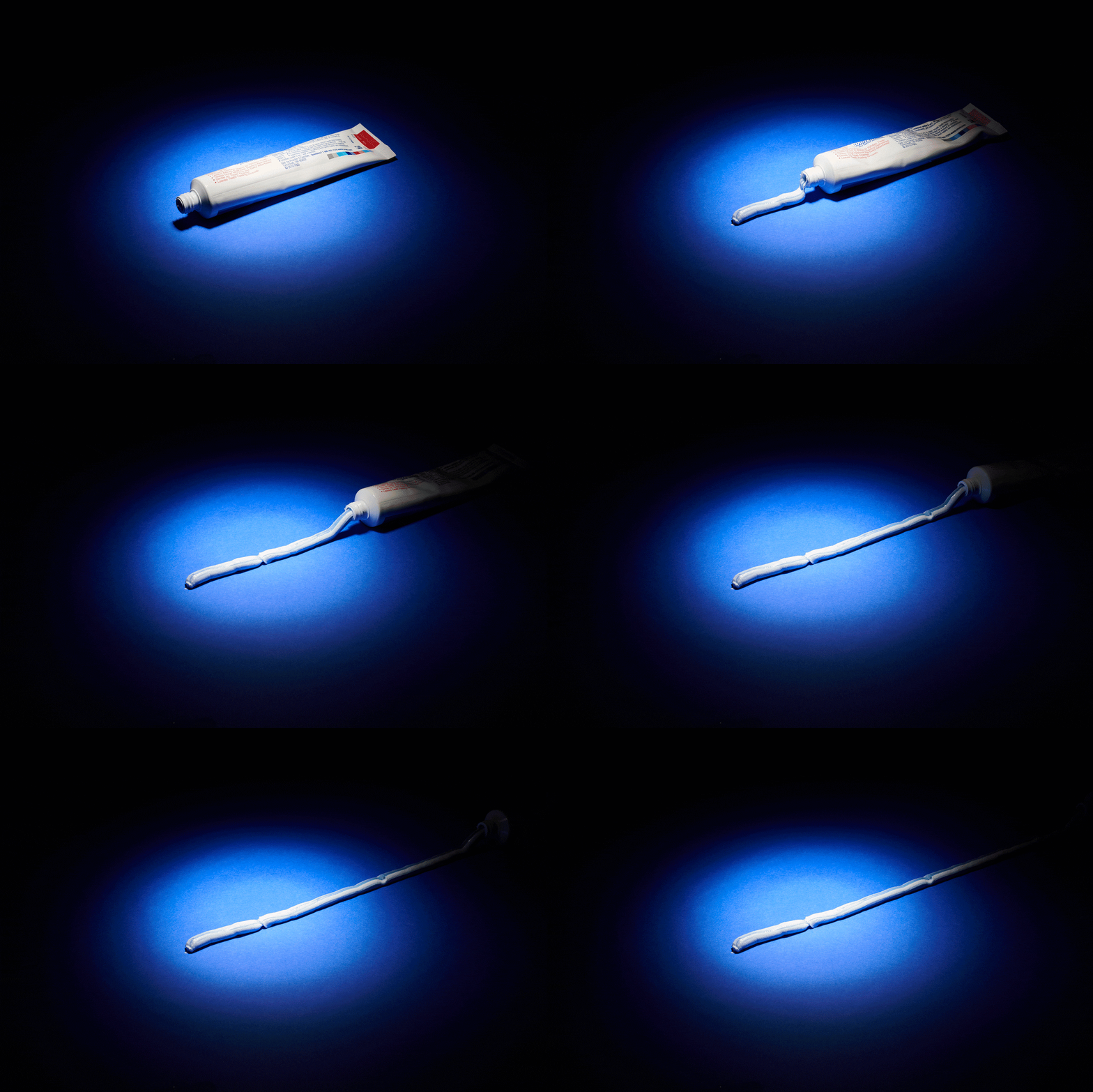
Phillies star Bryce Harper uploads a TikTok video showing an unconventional toothpaste application, sparking playful online ribbing about his brushing method and a nod to the awkwardness of sharing toothpaste.
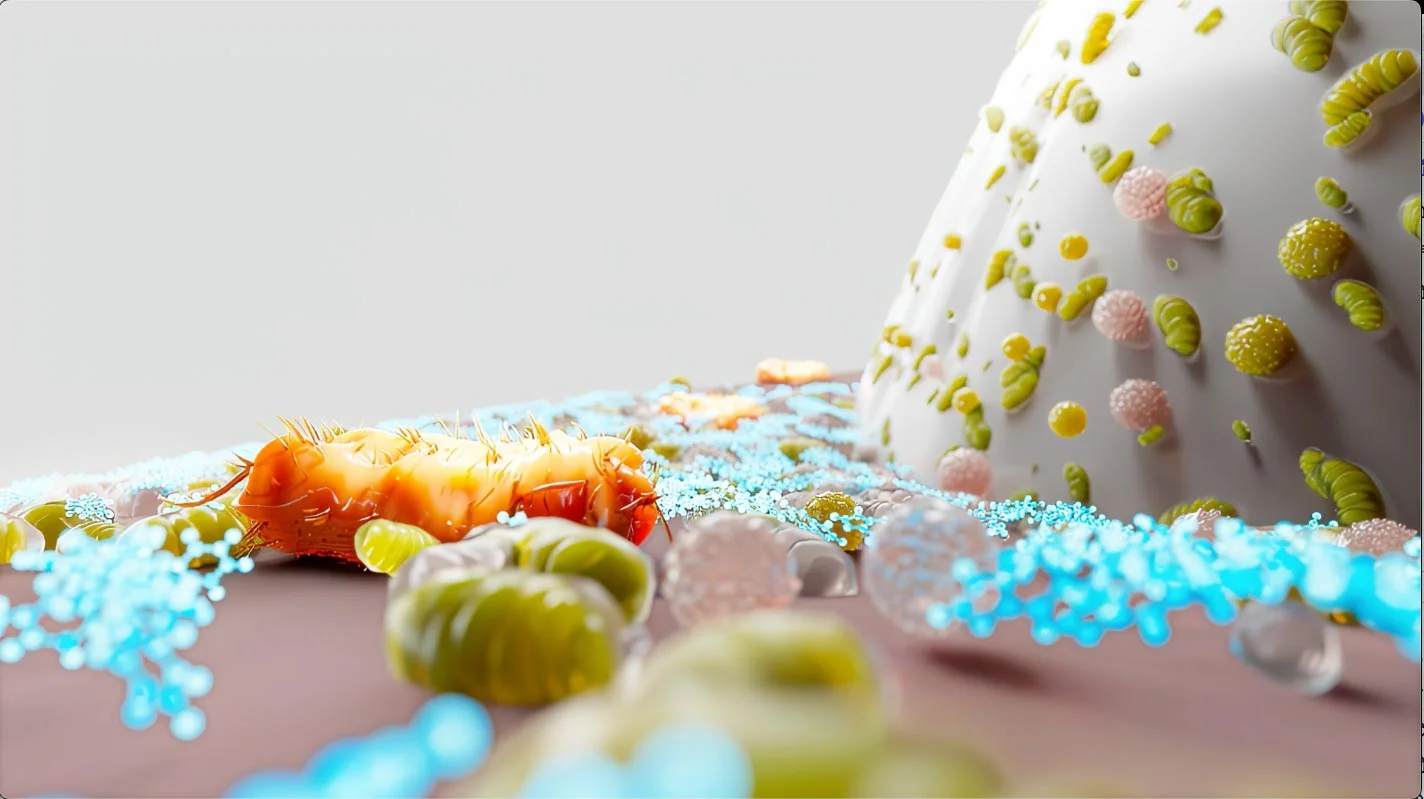
Fraunhofer researchers identified a compound—guanidinoethylbenzylamino imidazopyridine acetate—that blocks growth of periodontitis-causing bacteria like Porphyromonas gingivalis without killing beneficial oral microbes, enabling PerioTrap to develop a toothpaste that helps prevent gum disease while preserving the oral microbiome; the project followed GLP standards and also produced a post-cleaning gel, with future products (mouthwash, veterinary uses) in development.
Researchers have developed a microbiome-friendly toothpaste that uses a targeted compound to inhibit the gum-disease pathogen Porphyromonas gingivalis without disrupting the broader oral microbiome, allowing beneficial bacteria to rebalance the mouth and potentially reduce periodontitis. The approach, developed with PerioTrap and Fraunhofer institutes, also spawns post-cleaning products like a care gel, with ongoing development of additional oral-care solutions.
Dentists say nano-hydroxyapatite toothpaste can remineralize enamel, relieve sensitivity, and offer a fluoride-free option, but it's not yet proven to replace fluoride across populations; the ADA still recommends fluoride toothpaste and routine dental care, with n-HAp best suited for low- to moderate-risk patients or as an adjunct in some cases; long-term safety data are limited and more research is needed.
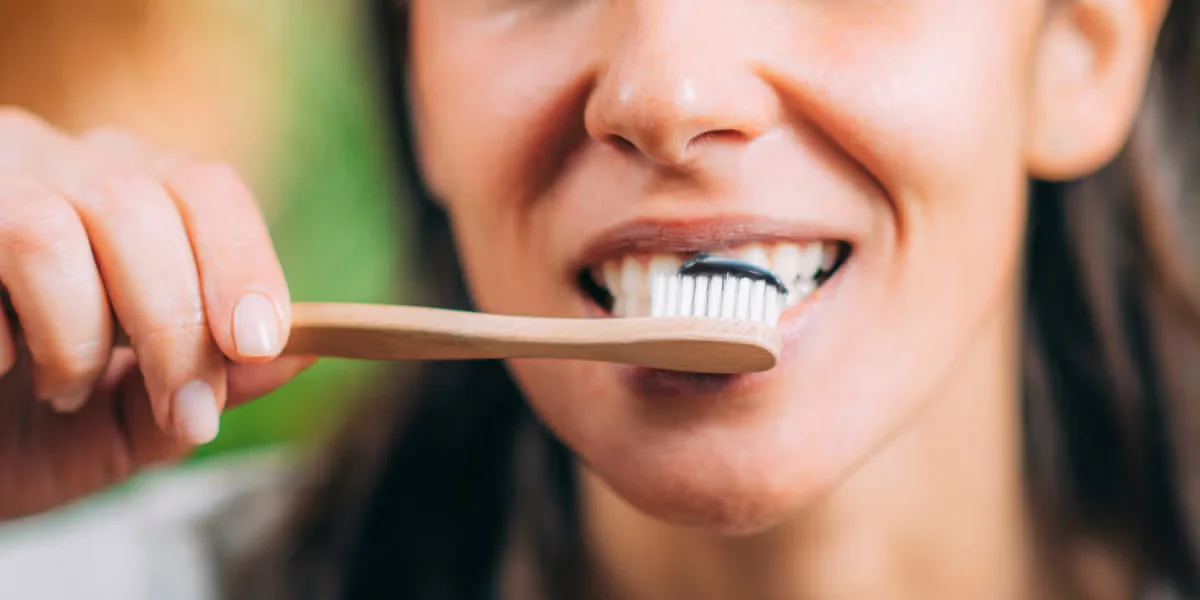
Charcoal toothpaste may temporarily whiten teeth and remove surface stains, but its abrasive nature can damage enamel over time and offers limited long-term benefits. Dentists recommend caution, emphasizing professional whitening and safe practices over trendy charcoal products for lasting dental health.
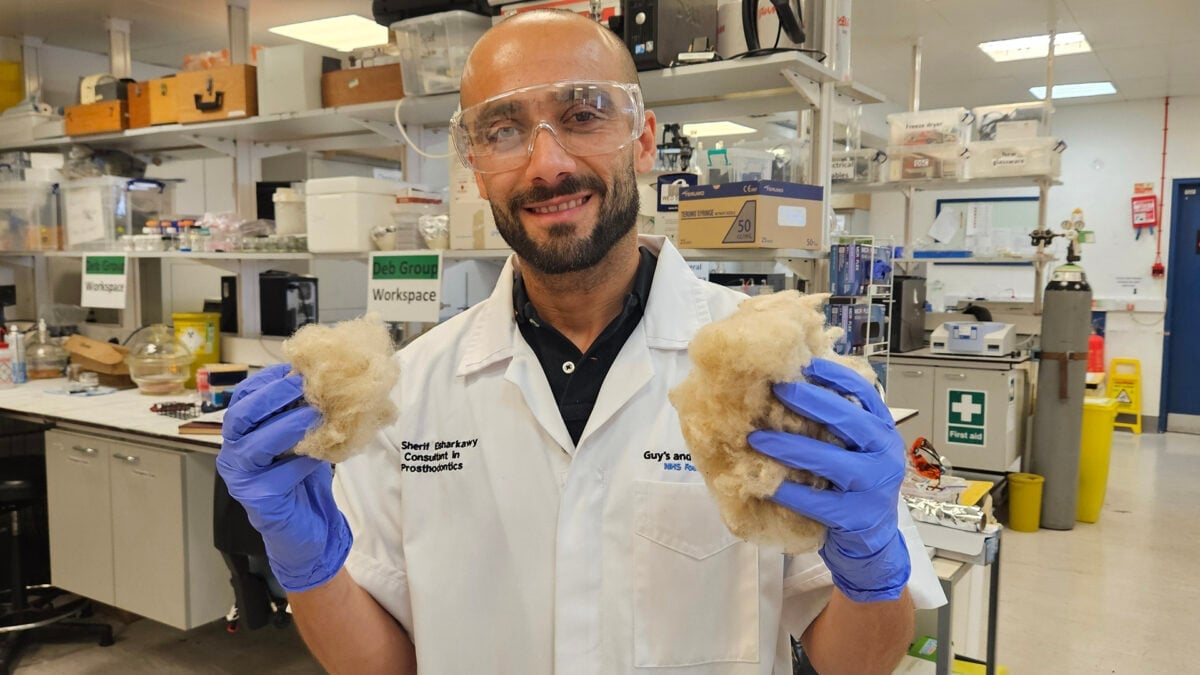
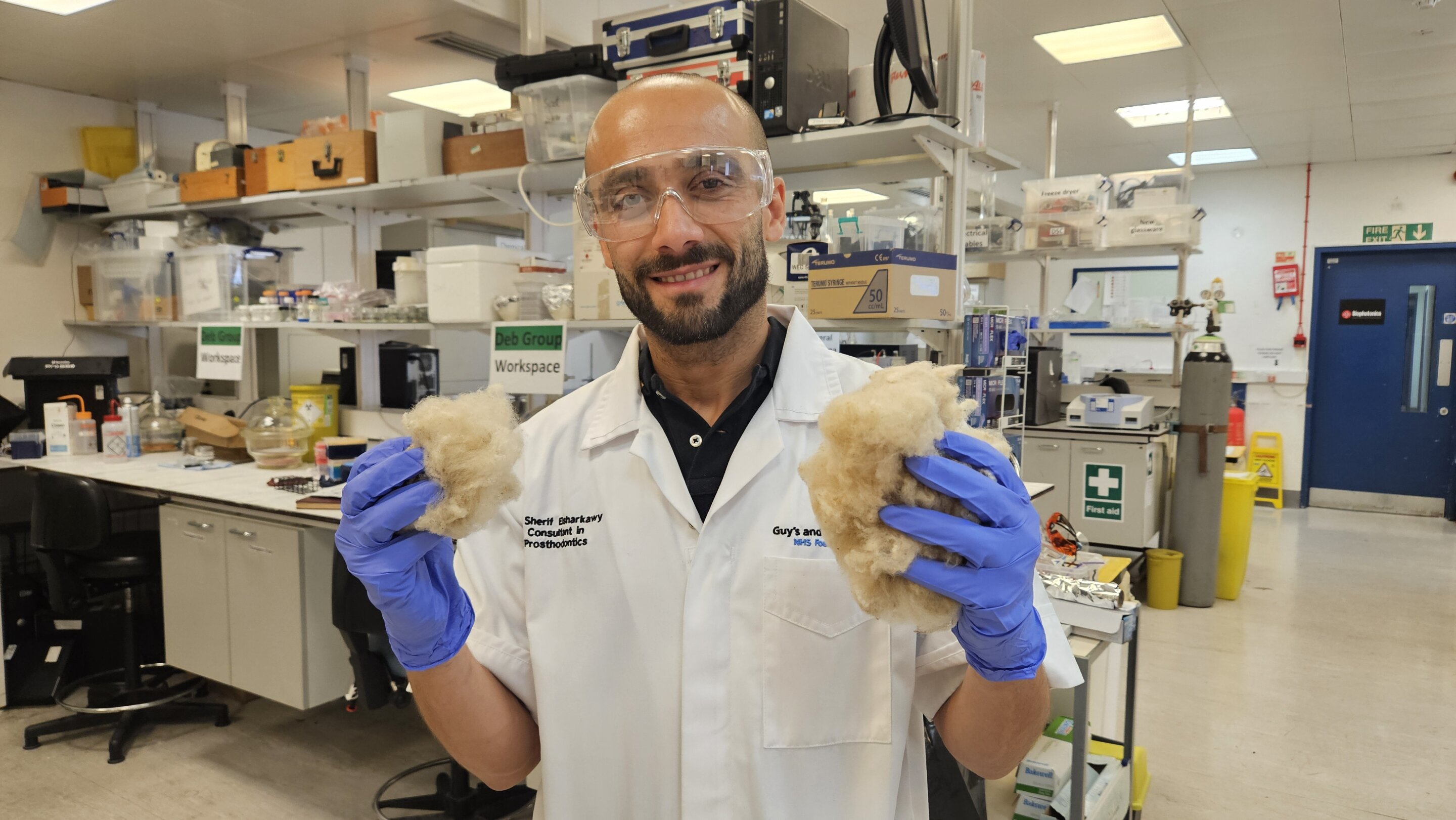
Researchers from King's College London have developed a keratin-based substance derived from sheep wool that can help regenerate tooth enamel, potentially leading to new toothpaste or gels that restore dental health and address widespread dental decay issues. This innovative approach could be available within a few years and promotes sustainable use of waste materials.
Scientists have discovered that keratin, a protein found in hair and skin, can be used to create a sustainable toothpaste that not only protects teeth but also repairs enamel better than fluoride, potentially revolutionizing dental care and reducing environmental impact. The keratin forms a protective, enamel-like coating on teeth, which could lead to new regenerative dental treatments, with products possibly available within two to three years.
Scientists at King's College London have developed a keratin-based treatment derived from hair that can form a protective enamel-like coating on teeth, potentially offering a sustainable and effective alternative to fluoride toothpaste for repairing and protecting enamel, with clinical applications expected within a few years.
Scientists from King's College London have developed a toothpaste made from keratin extracted from hair, which can repair and protect tooth enamel by forming a protective, enamel-like coating, potentially revolutionizing dental care with eco-friendly, biologically inspired materials within two years.
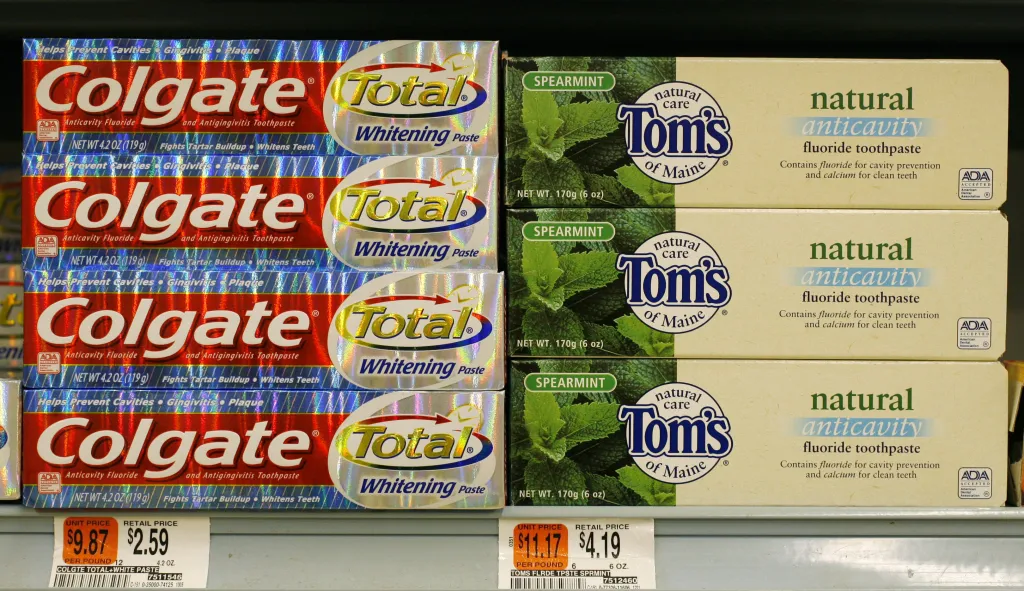
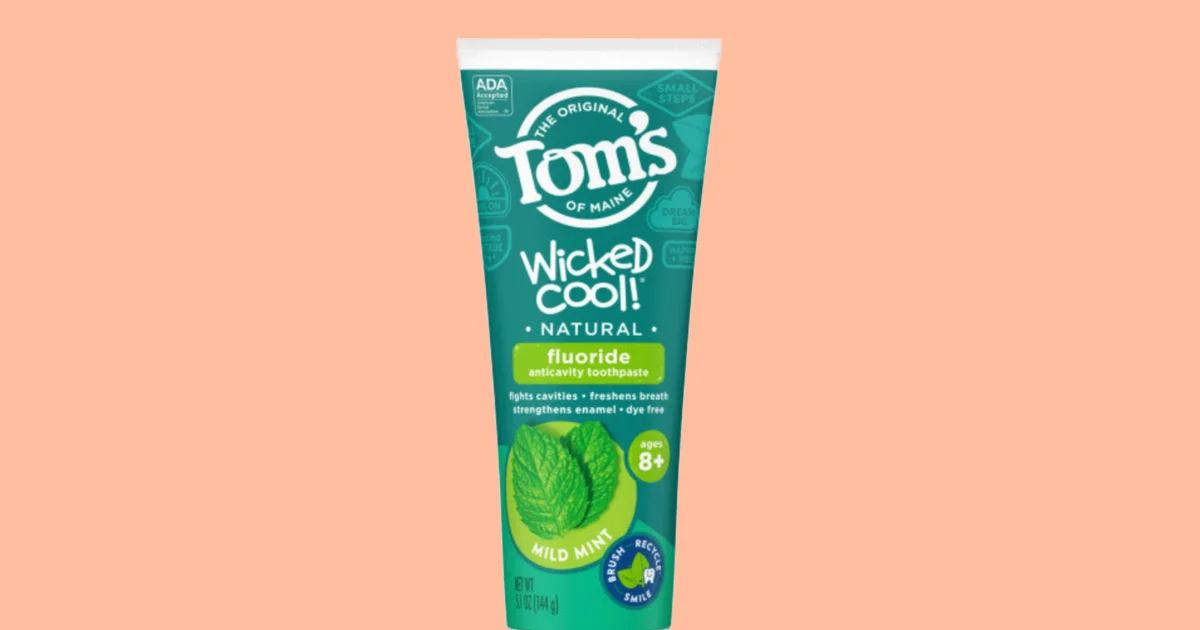
Health inspectors have discovered bacteria in certain batches of Tom's of Maine toothpaste, raising concerns about product safety. Consumers are advised to check their products and follow any recall instructions issued by the company.
The FDA has issued a warning to Tom's of Maine, owned by Colgate-Palmolive, for using bacteria-contaminated water in toothpaste production and failing to adequately address manufacturing violations at its Sanford plant. The FDA found "black mold-like substance" and bacteria in water samples, including Pseudomonas aeruginosa, which can cause infections. The company has been asked to improve its water system and response to these issues, with potential consequences for non-compliance. Tom's of Maine is working on upgrades and maintains confidence in its product safety.
The FDA found significant violations at a Tom's of Maine facility, including bacteria in water used for toothpaste production and a black mold-like substance. The inspection revealed the presence of harmful bacteria such as Pseudomonas aeruginosa and Ralstonia insidiosa in water samples. The FDA has issued a warning to parent company Colgate-Palmolive, demanding a remediation plan and improvements to the water system. Tom's of Maine is working with the FDA to address these issues and ensure product safety.
An FDA inspection of Tom's of Maine's facility in Sanford, Maine, revealed significant violations, including the presence of harmful bacteria and mold near manufacturing equipment. The inspection found Pseudomonas aeruginosa in water used for toothpaste production and other bacteria in specific toothpaste batches. The FDA has requested further documentation and improvements in the facility's water system and maintenance. Tom's of Maine, owned by Colgate-Palmolive, is addressing these issues and remains confident in the safety of its products.
The FDA has issued a warning to Tom's of Maine after finding bacteria in the water used to manufacture its toothpaste, including Pseudomonas aeruginosa and Ralstonia insidiosa, which can cause serious infections. The FDA also noted a "black mold-like substance" in the factory. Tom's of Maine, owned by Colgate-Palmolive, is working with the FDA to address these issues, including upgrading its water system. The company maintains confidence in its product safety, despite the FDA's concerns about inadequate responses to contamination findings.
Dentists recommend not rinsing after brushing with fluoride-containing toothpaste to allow the fluoride to stay on the teeth and provide added protection against cavities. Rinsing lightly or delaying the rinse by about 20 minutes is also suggested, while using a fluoride-containing mouthwash is an alternative for those who prefer to rinse. Children should also follow these brushing habits, with caregivers supervising to ensure they do not ingest too much fluoride.