Tag

Tpm

All articles tagged with #tpm

Three Pass-ta-key Attacks Threaten Google Password Manager Passkeys on Windows
security1 month ago

Three Pass-ta-key Attacks Threaten Google Password Manager Passkeys on Windows

Security researchers from Unit 42 disclosed three TPM-based attacks—Pass-ta-key, Silver Pass-ta-key, and Golden Pass-ta-key—targeting Google Password Manager’s synced passkeys on Windows; the exploits don’t break cryptography but abuse Chrome’s device identity, onboarding, and recovery flows to hijack or recover passkeys. Pass-ta-key impersonates a trusted device to obtain an authentication assertion, though some services verify user verification flags (GitHub blocked it; eBay failed but has since been addressed). Silver Pass-ta-key enables attacker-controlled verification keys during re-registration, letting attackers authenticate from a separate system. Golden Pass-ta-key captures the master key (security domain secret) used to encrypt synced passkeys from memory during re-registration, enabling decryption of passkeys and impersonation across accounts, with no current rotation or revocation. The researchers urge stronger verification, safer recovery/re-registration, and memory-protection of the master key.

Three Attack Vectors Threaten Chrome Passkeys on Windows
security1 month ago

Three Attack Vectors Threaten Chrome Passkeys on Windows

Unit 42 details three post-compromise attack paths—Pass-ta-key, Silver Pass-ta-key, and Golden Pass-ta-key—that let malware on Windows abuse Chrome's Google Password Manager to sign into passkey-protected accounts, re-enroll devices, or extract the 32-byte Security Domain Secret from memory. The flaws do not break cryptography but target how Chrome stores device keys, re-enrolls devices, and checks user verification. No CVEs are listed and there are no confirmed exploits in the wild as of Aug 3, 2026. Mitigations include requiring userVerification, attesting newly enrolled keys, strengthening re-registration/recovery checks, restricting local passkey state access, and avoiding logging sensitive data. It’s unclear if SDS rotation or revocation is possible with current fixes.

Microsoft Tightens Windows Activation with Hardware-Backed TPM Attestation
technology1 month ago

Microsoft Tightens Windows Activation with Hardware-Backed TPM Attestation

Microsoft is adding TPM-based attestation to its KMS activation for Windows in enterprises, requiring hardware-verified KMS hosts and making this hardware-backed check mandatory with the next Windows Server release; readiness messaging starts in August 2026, signaling a push to curb KMS-based piracy and tampering, though pirate tools and workarounds remain a consideration.

Microsoft patches BitLocker recovery glitch on Windows 11 25H2 after April 2026 updates
technology4 months ago

Microsoft patches BitLocker recovery glitch on Windows 11 25H2 after April 2026 updates

Microsoft has fixed the BitLocker recovery prompt issue that appeared after the April 2026 security update for Windows 11 25H2 with KB5089549, while Windows 10 and Windows Server still await a permanent fix. Administrators should remove the unrecommended TPM validation Group Policy and ensure BitLocker uses PCR7 bindings until broader patches are released.

Chrome Adds Hardware-Backed Session Keys to Thwart Cookie Theft on Windows
technology5 months ago

Chrome Adds Hardware-Backed Session Keys to Thwart Cookie Theft on Windows

Google rolled out Device Bound Session Credentials (DBSC) in Chrome 146 for Windows, tying authentication sessions to hardware-backed keys (TPM on Windows, with macOS Secure Enclave support planned) so stolen cookies become useless; if a device lacks secure key storage, DBSC gracefully falls back to normal behavior. Early results show reduced session theft, and Google plans broader device support and enterprise integration while preserving privacy and avoiding cross-site tracking.

technology11 months ago

Why I Recommend Switching to Linux Instead of Upgrading to Windows 11

The article argues that Windows 11's requirements like TPM and Secure Boot are not as restrictive as they seem and can promote security and user choice, but also highlights concerns about potential misuse for surveillance and platform lock-in. The author recommends promoting Linux to customers as a more open and flexible alternative, emphasizing ease of use, software availability, and control over privacy.

How to Free Upgradе Your Incompatible Windows 10 PC to Windows 11
technology11 months ago

How to Free Upgradе Your Incompatible Windows 10 PC to Windows 11

Many Windows 10 PCs that are flagged as incompatible with Windows 11 may actually be upgradeable by enabling Secure Boot and TPM in the BIOS, with simple tweaks and checks using Microsoft's PC Health Check app. If your hardware supports UEFI and Secure Boot, and you can enable TPM, you can often upgrade to Windows 11 for free, even if initial notifications suggest otherwise.

How to Upgrade to Windows 11 and What to Expect After Windows 10 Ends
technology11 months ago

How to Upgrade to Windows 11 and What to Expect After Windows 10 Ends

Many Windows 10 PCs, even those marked as incompatible, can be upgraded to Windows 11 for free by adjusting settings like Secure Boot and TPM in the BIOS, often without needing new hardware. The process involves checking compatibility with Microsoft's PC Health Check app, enabling UEFI, Secure Boot, and TPM in BIOS, and possibly modifying registry settings for older hardware. If hardware isn't compatible, adding TPM modules might be an option, but older systems may require replacement. Upgrading is recommended for security reasons, especially as support for Windows 10 ends.

"Raspberry Pi Pico: Breaking BitLocker Encryption in Seconds"
technology2 years ago

"Raspberry Pi Pico: Breaking BitLocker Encryption in Seconds"

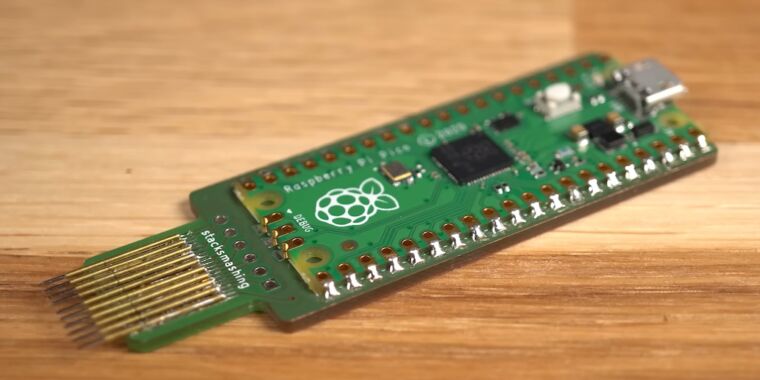
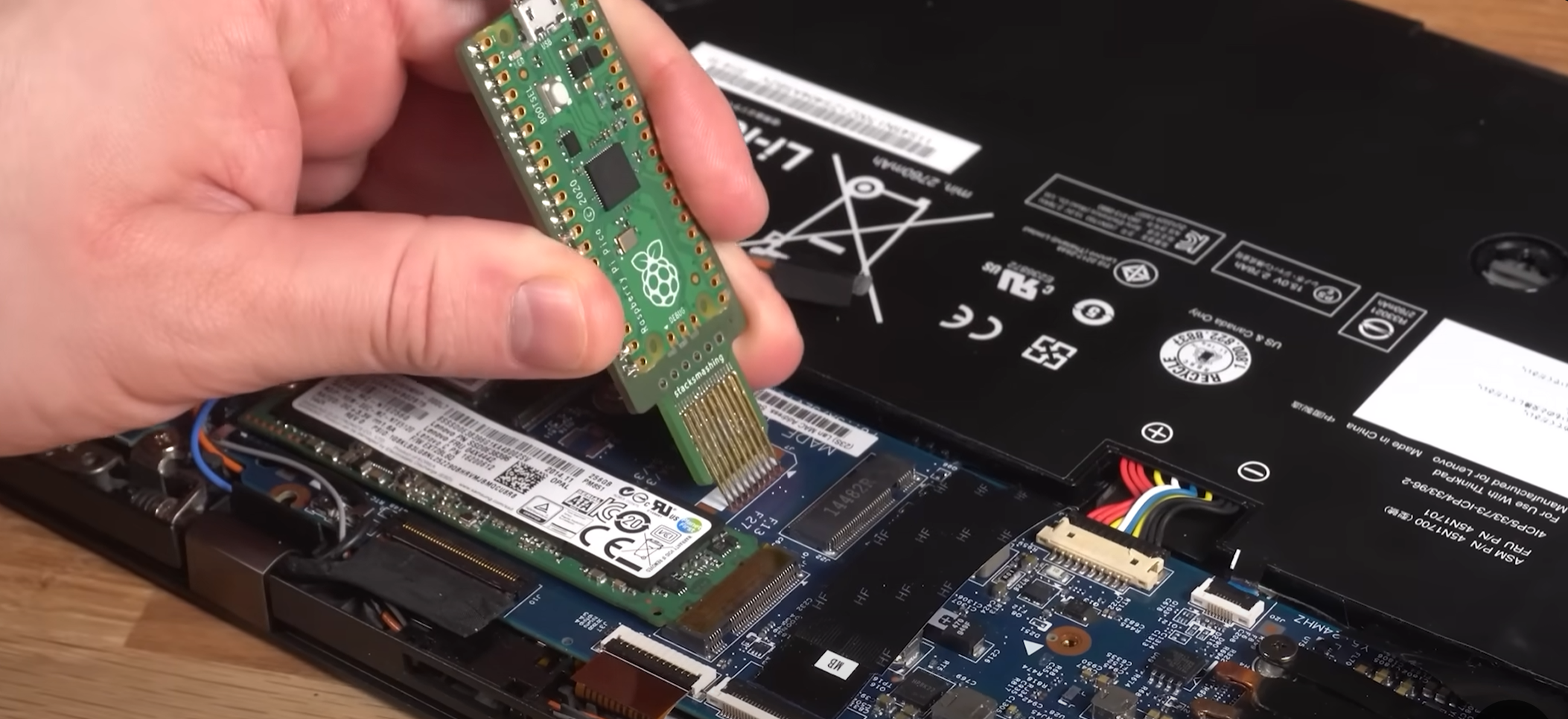
A security researcher demonstrated an exploit using a Raspberry Pi Pico and a custom PCB to break Microsoft's BitLocker drive encryption by sniffing the encryption key sent in plaintext from an external TPM chip to the laptop. While this exploit affects systems with discrete TPM chips, modern systems with firmware TPM modules integrated into the processor are not vulnerable. The exploit highlights the importance of understanding the type of TPM used in a system and the potential vulnerabilities associated with different TPM implementations.

"Raspberry Pi Pico Breaks BitLocker Encryption in Under a Minute"
technology2 years ago

"Raspberry Pi Pico Breaks BitLocker Encryption in Under a Minute"

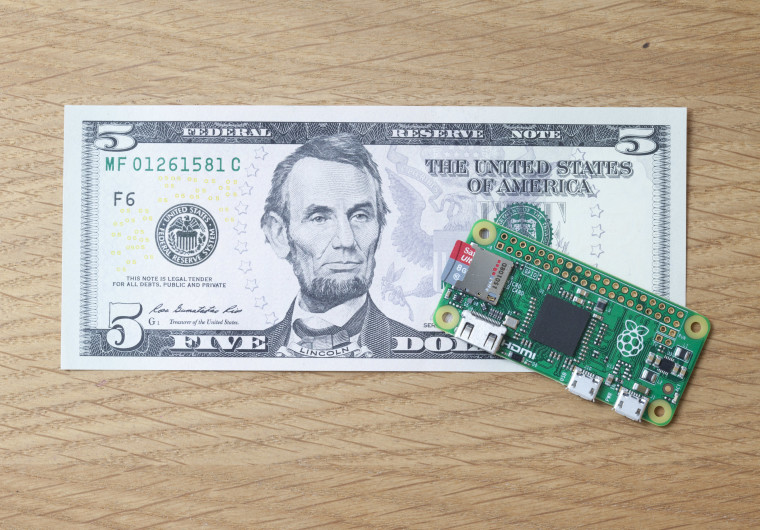
YouTuber stacksmashing demonstrated how he used a $5 Raspberry Pi Pico to intercept BitLocker encryption keys via the Trusted Platform Module's unencrypted communication lanes, allowing him to decrypt data in 43 seconds. This method requires physical access to the device and an external TPM module, highlighting potential vulnerabilities in BitLocker's security. Microsoft acknowledges these attacks are possible but suggests they require sophisticated tools and long physical access, while newer devices with fTPM and BitLocker PIN configurations may offer more secure alternatives.

"Rapidly Defeating Bitlocker: A 43-Second Method"
cybersecurity2 years ago

"Rapidly Defeating Bitlocker: A 43-Second Method"

A security researcher demonstrated how Bitlocker keys can be stolen in just 43 seconds using inexpensive hardware, highlighting a vulnerability in the widely used Windows encryption system. By exploiting the Trusted Platform Module (TPM) and the LPC bus, the attacker was able to intercept the encryption key from an older Lenovo Thinkpad, showcasing the potential risk of key theft. While modern computers with TPM inside the CPU may require more sophisticated hardware to carry out such an attack, the demonstration underscores the importance of securing encryption keys to prevent unauthorized access to sensitive data.