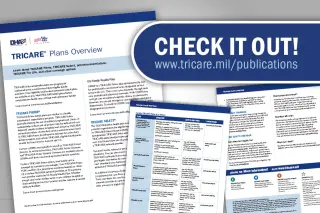
TRICARE's Plans Overview Fact Sheet provides a high-level view of plan options, clarifies differences between TRICARE Prime and TRICARE Select, and directs readers to tools like the TRICARE Plan Finder and Compare Plans Tool to help you and your family choose the right coverage.
TRICARE covers skin cancer screening as part of its annual Health Promotion and Disease Prevention exams with little to no copay for individuals at risk (family/personal history, high sun exposure, or suspected precursor lesions). The article emphasizes prevention and sun safety—shade, protective clothing, wide-brim hats, UV-blocking sunglasses, and SPF 15+ sunscreen—and teaches the melanoma warning signs (A-B-C-D-E), encouraging patients to schedule yearly TRICARE exams and discuss skin changes with their providers, with CDC/NCI resources referenced.
TriWest Healthcare Alliance apologized to more than 4 million TRICARE beneficiaries for errors in its patient portals that incorrectly showed they had Other Health Insurance, causing claim denials and delays amid the 2025 transition of TRICARE administration to TriWest. The move follows NBC News reporting of ongoing coverage problems and includes a case where a veteran’s cancer treatment was disrupted by denied claims. TriWest says OHI-related denials dropped from 2.3% to 1.3% and pledges further fixes, noting that testing before go-live faced unforeseen challenges acknowledged by the Defense Health Agency.
TRICARE covers no-cost well-child visits for children from birth to age six, including newborn care, growth and development checks, screenings, and age-appropriate vaccines per CDC; visits follow a schedule from birth through early childhood, with frequent checkups in the first years; care is delivered by pediatricians or family doctors, with Prime requiring a primary care manager and Select allowing TRICARE-authenticated providers; the goal is preventive care and early detection of health issues.
TRICARE's Express Scripts Pharmacy mobile app lets users locate pharmacies, order and track prescriptions, manage refills, update delivery addresses, set dose reminders, and pay for medications—including home delivery options and cost details for military beneficiaries.
TRICARE explains that cancer screenings are covered based on age, sex, and risk, including breast cancer screenings (mammograms annually for some at-risk groups and MRI for high risk), cervical cancer screening (Pap tests for women 21+ and HPV testing for women 30+ when done with Pap), prostate and testicular exams for men by age/risk, and colorectal screenings from age 45 for average risk. Lung cancer screening with an annual CT is available for high-risk individuals (50–80 with a 20 pack-year history) through network providers. Screenings are generally covered as preventive care with no out-of-pocket costs if you follow plan rules; not all tests are covered (e.g., certain RNA blood/stool tests for colorectal cancer). TRICARE also covers a one-time lifetime GRAIL Galleri blood test via a Laboratory Developed Tests Demonstration, with eligibility, pre-authorization, and other limits. Be attentive to warning signs and discuss screening options with your provider to catch cancer early.
TRICARE explains which breast cancer screenings are covered and how often, including mammograms (typically annually for certain ages or risk factors), breast MRI for high-risk individuals, genetic counseling/testing, and clinical breast exams, and it clarifies the difference between screening and diagnostic tests under preventive care rules.
Starting Jan. 20, the MHS GENESIS Patient Portal will notify users when new results or notes are available, and you may see lab results, radiology reports, pathology reports, and clinical notes as soon as they enter the system. A banner will indicate if a provider hasn’t reviewed them yet. To receive notifications, verify an active email in your portal settings. Providers will reach out for immediate concerns. This real-time access, mandated by the 21st Century Cures Act, gives patients more control and speeds up informed conversations about care.
The article explains TRICARE's policies on allowable charges and balance billing, highlighting the differences between network, participating, and nonparticipating providers, and advising beneficiaries on how to avoid overpaying for healthcare services under TRICARE.
The Defense Health Agency Usability Lab is seeking active duty service members and family, as well as National Guard and Reserve members, to participate in a remote usability study of tricare.mil from Dec. 2025 to Feb. 2026, aiming to improve website navigation, content clarity, and self-service options. Interested participants can email to join by Jan. 30, 2026.
TRICARE covers certain weight loss medications like Wegovy and Zepbound for eligible beneficiaries under specific conditions, including enrollment in certain plans and medical criteria, with upcoming regulatory changes taking effect in August 2025. Patients should consult their providers for coverage details and alternative options if needed.
The article provides a comprehensive checklist for military personnel and their families to ensure a smooth transition of TRICARE health benefits when moving, including steps to update contact information, review and change health plans, transfer medical records, and find new healthcare providers.
The 2024–2025 COVID-19 vaccine is now available to TRICARE beneficiaries at no cost through military hospitals, TRICARE retail network pharmacies, and authorized civilian providers. The vaccine is recommended for everyone aged 6 months and older, with additional doses advised for high-risk groups like those over 65 or with weakened immune systems. The updated vaccine targets current virus strains and aims to reduce severe illness. TRICARE also covers flu and RSV vaccines, emphasizing comprehensive protection against multiple viruses.
TRICARE health plan costs for 2025 will see changes in enrollment fees, premiums, cost-shares, and copayments, effective January 1, 2025. These adjustments are influenced by federal laws, cost of living adjustments, and healthcare service costs. TRICARE Open Season, from November 11 to December 10, allows eligible members to modify their plans. Beneficiaries are categorized into Group A or B based on enlistment dates, affecting their costs. Those in the West Region must update payment information with TriWest Healthcare Alliance by December 31 if paying via bank transfer or card.
TRICARE emphasizes the importance of heart health, as heart disease is the leading cause of death in the U.S. It covers various preventive services such as blood pressure and cholesterol screenings, and encourages lifestyle changes like not smoking, healthy eating, regular exercise, and stress management. Women should be aware of heart attack symptoms, as they may differ from men's. TRICARE offers medically necessary preventive services with no out-of-pocket costs when using network providers, and individuals can subscribe for personalized benefit updates and news.