Tag

Umbra

All articles tagged with #umbra

Skywatchers brace for 2026’s deepest partial lunar eclipse
stargazing2 hours ago

Skywatchers brace for 2026’s deepest partial lunar eclipse

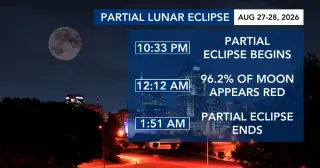
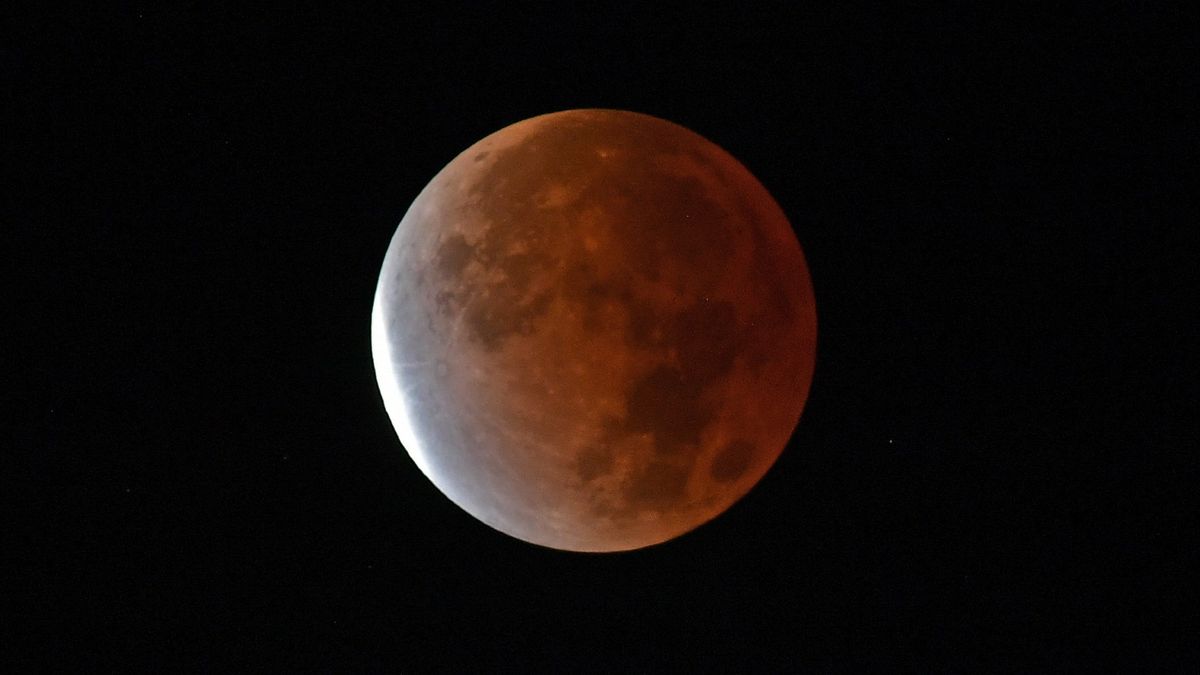
Space.com’s live coverage explains that the Aug. 27–28, 2026 partial lunar eclipse will see up to 96.2% of the Moon enter Earth's umbra, producing a deep reddish hue and marking the deepest such event until 2028. Visible across the Americas, Europe, Africa and parts of western Asia, it’s a skywatching can’t-miss that will require clear, dark skies and a good view of the western horizon; Space.com will provide latest news and practical viewing tips for peak viewing.

Bitten Moon: August 27, 2026 Partial Lunar Eclipse Feeds a Bright Rim, Not a Red Disk
science20 hours ago

Bitten Moon: August 27, 2026 Partial Lunar Eclipse Feeds a Bright Rim, Not a Red Disk

A deep partial lunar eclipse on August 27–28, 2026 will see about 93% of the Moon’s diameter enter Earth’s umbra, producing a striking “bitten” look as a bright rim remains visible rather than a red Moon. The 96% figure you may see refers to area, not width, and the Moon never reaches totality (greatest eclipse around 04:13 UTC). This event is one of the deepest partial eclipses of 2021–2030, not a blood Moon, and the Danjon brightness scale doesn’t apply here. Timing for observers varies by location, with Americas facing the deepest phase at night on the 27th; the next total lunar eclipse won’t occur until June 26, 2029.

"Stunning Views: Total Solar Eclipses Captured from Space and Earth"
spacescience2 years ago

"Stunning Views: Total Solar Eclipses Captured from Space and Earth"

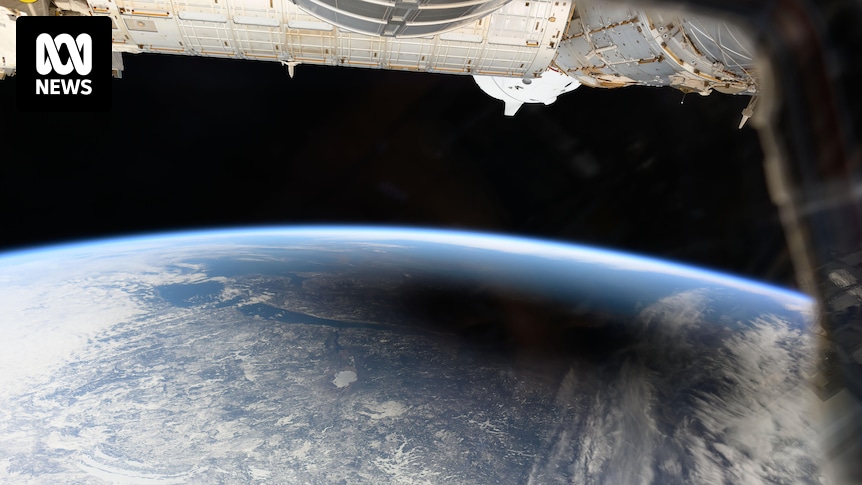
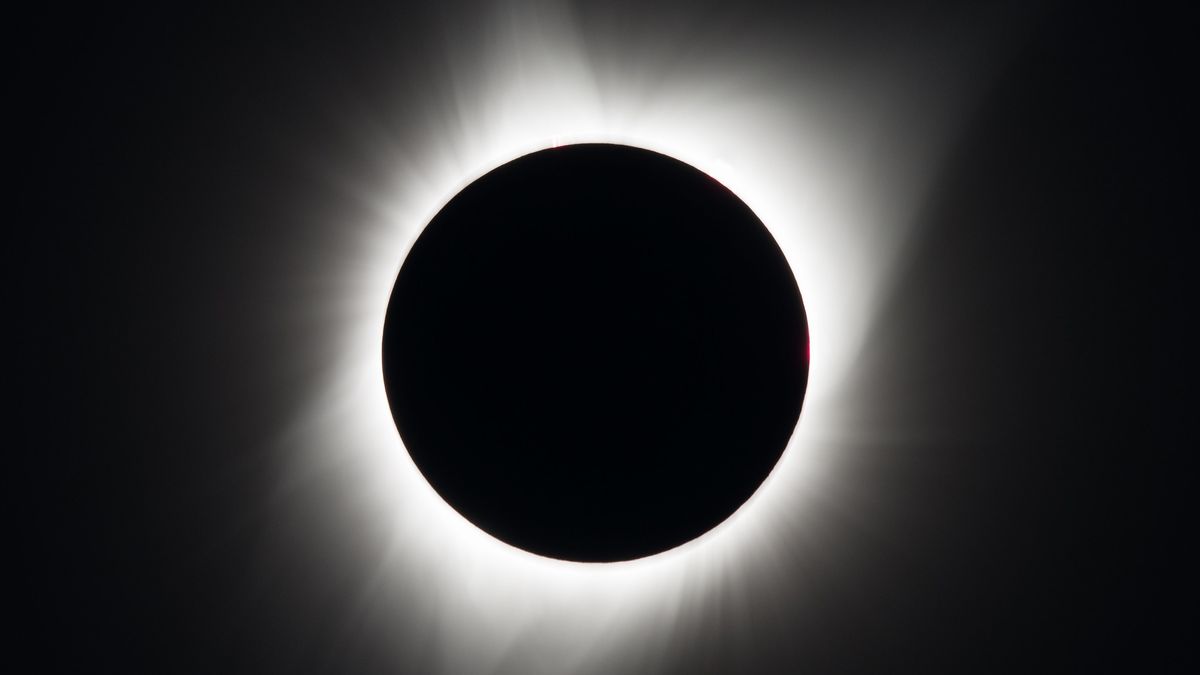
NASA has released stunning images of the total solar eclipse as seen from the International Space Station, showing the Moon's shadow covering parts of Canada and the US. The pictures, taken by the Expedition 71 crew, reveal the eclipse's progression as the ISS orbited 420 kilometers above Earth. The astronauts observed the event through the station's windows, capturing the rare sight before continuing their orbit around the Earth.

"Stunning View: Solar Eclipse Captured from Space"
astronomy2 years ago

"Stunning View: Solar Eclipse Captured from Space"

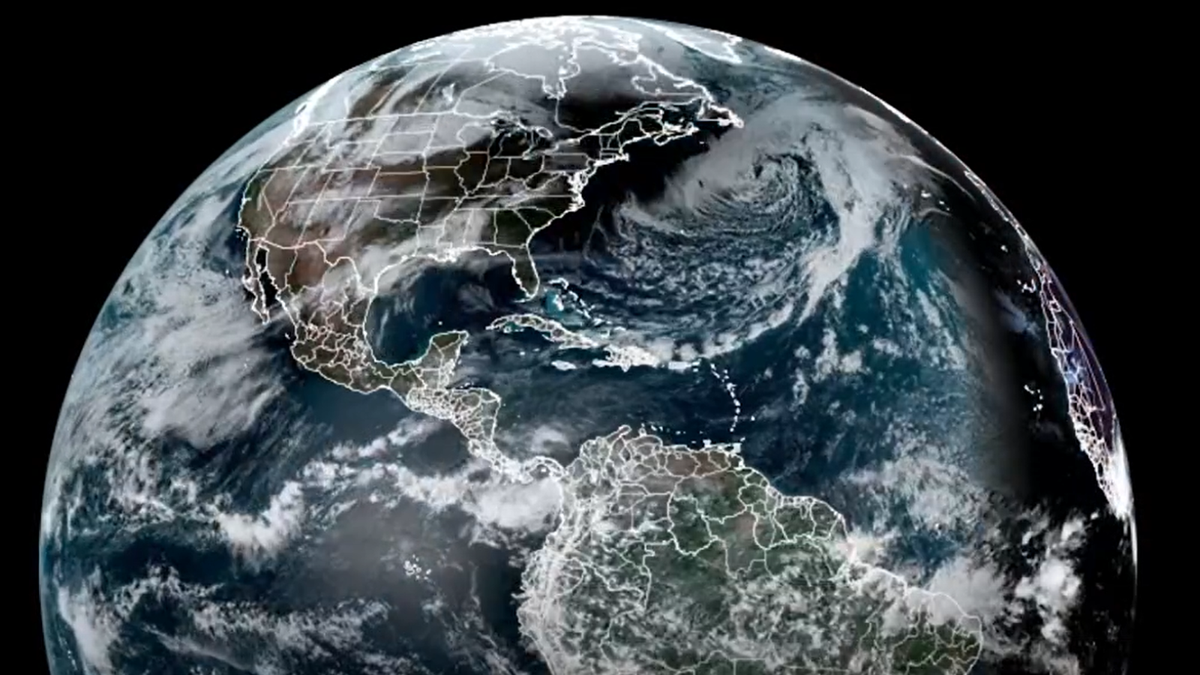
The solar eclipse, visible from the U.S., was captured from space by NASA astronauts aboard the International Space Station and weather-monitoring satellites. The shadow, known as the umbra, traversed the U.S. at speeds of around 1,500 mph, taking just 40 minutes to travel from Texas to Maine. NASA astronauts aboard the ISS also snapped photos of the eclipse, experiencing a totality of about 90% during its flyover period. The next total solar eclipse will be visible from places like Greenland and Iceland in 2026.

What to Expect from the Partial Lunar Eclipse on Saturday
astronomy2 years ago

What to Expect from the Partial Lunar Eclipse on Saturday

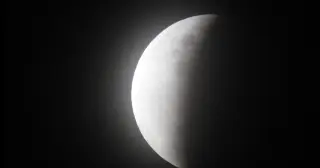
A partial lunar eclipse will occur on October 28, two weeks after the annular solar eclipse. The eclipse will be visible in the Earth's Eastern Hemisphere, with Canada and New England having a brief glimpse. The moon will enter the penumbra, the faint outer part of the Earth's shadow, and then the umbra, the darker inner part. The partial eclipse will last for 77 minutes, with the umbra covering only about 1/20 of the moon's area. The next lunar eclipse will be a penumbral event in March 2023, followed by a total lunar eclipse in March 2025.