Tag

Underwater Robotics

All articles tagged with #underwater robotics

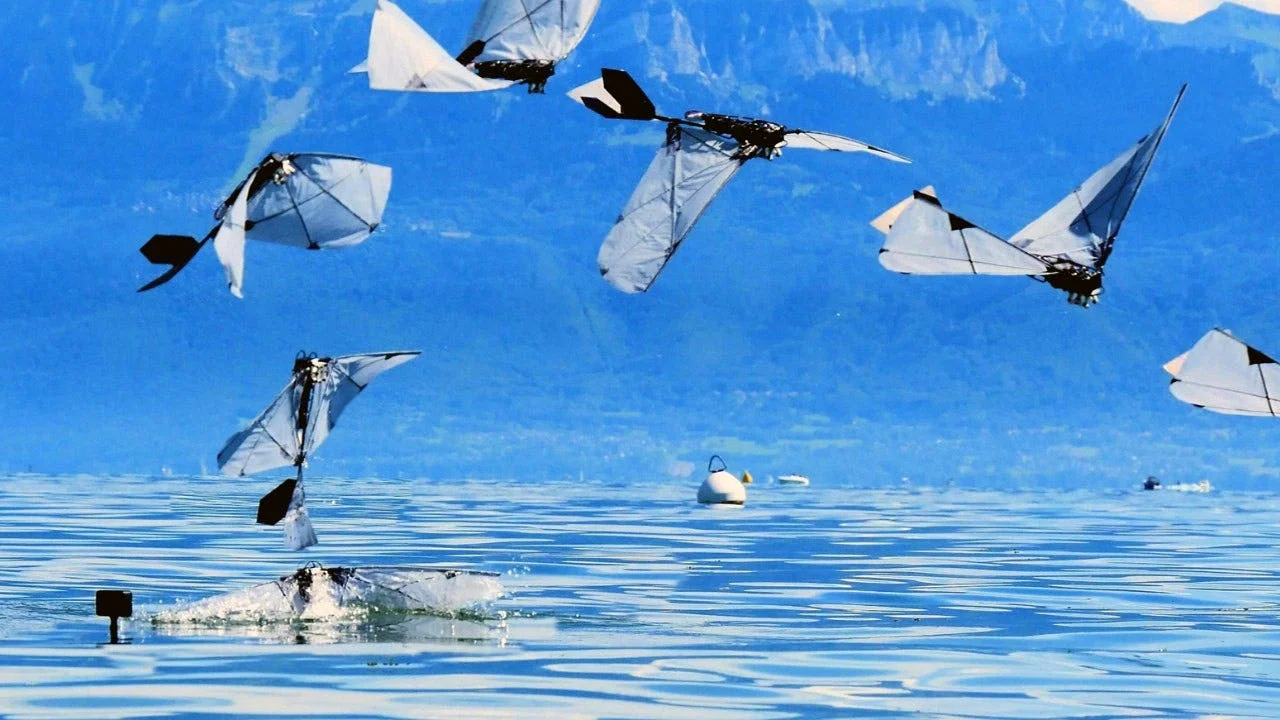
MIT-EPFL’s $300 robotic bird masters air-to-water-to-air flight
technology1 hour ago

MIT-EPFL’s $300 robotic bird masters air-to-water-to-air flight

MIT and EPFL built a bird-sized robot that can fly, dive underwater, swim, and launch back into the air using flexible wings. Costing about $300, it completes an air-to-water-to-air cycle with flapping wings alone—the first bird-scale machine to do so—though autonomous navigation and saltwater durability remain for future work, with potential applications in environmental monitoring.

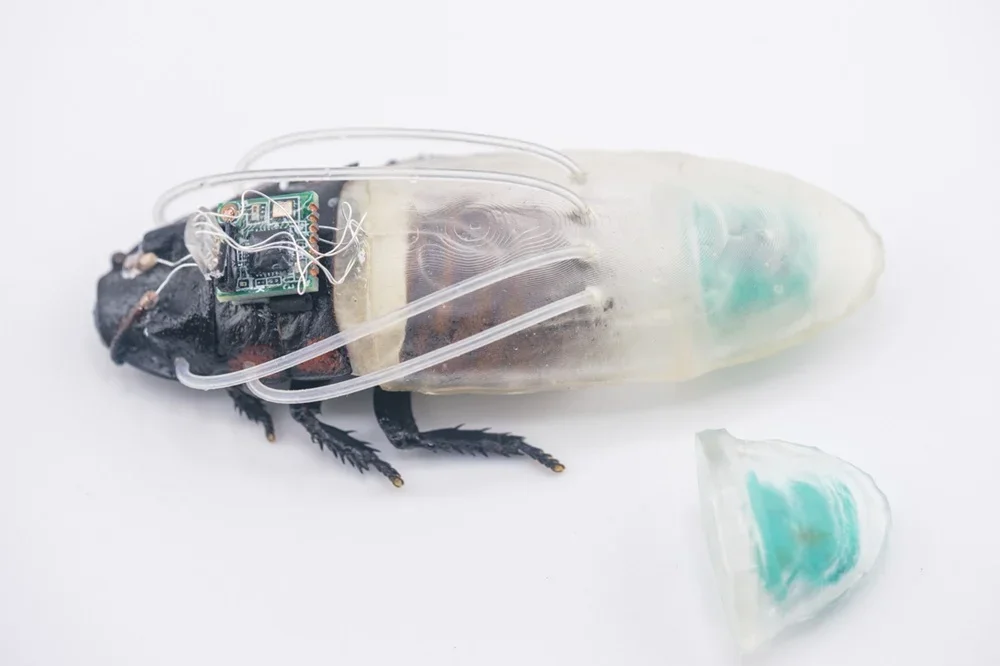
Amphibious cyborg cockroaches powered by a tiny scuba shell for underwater missions
science16 days ago

Amphibious cyborg cockroaches powered by a tiny scuba shell for underwater missions

Researchers in Singapore and Japan created a foldable 3D-printed scuba shell that wraps around Madagascar hissing cockroaches and delivers oxygen to their spiracles from an onboard manganese dioxide hydrogen‑peroxide system, enabling 2–3 hours of underwater movement and broadening the potential use of cyborg insects in search‑and‑rescue missions.

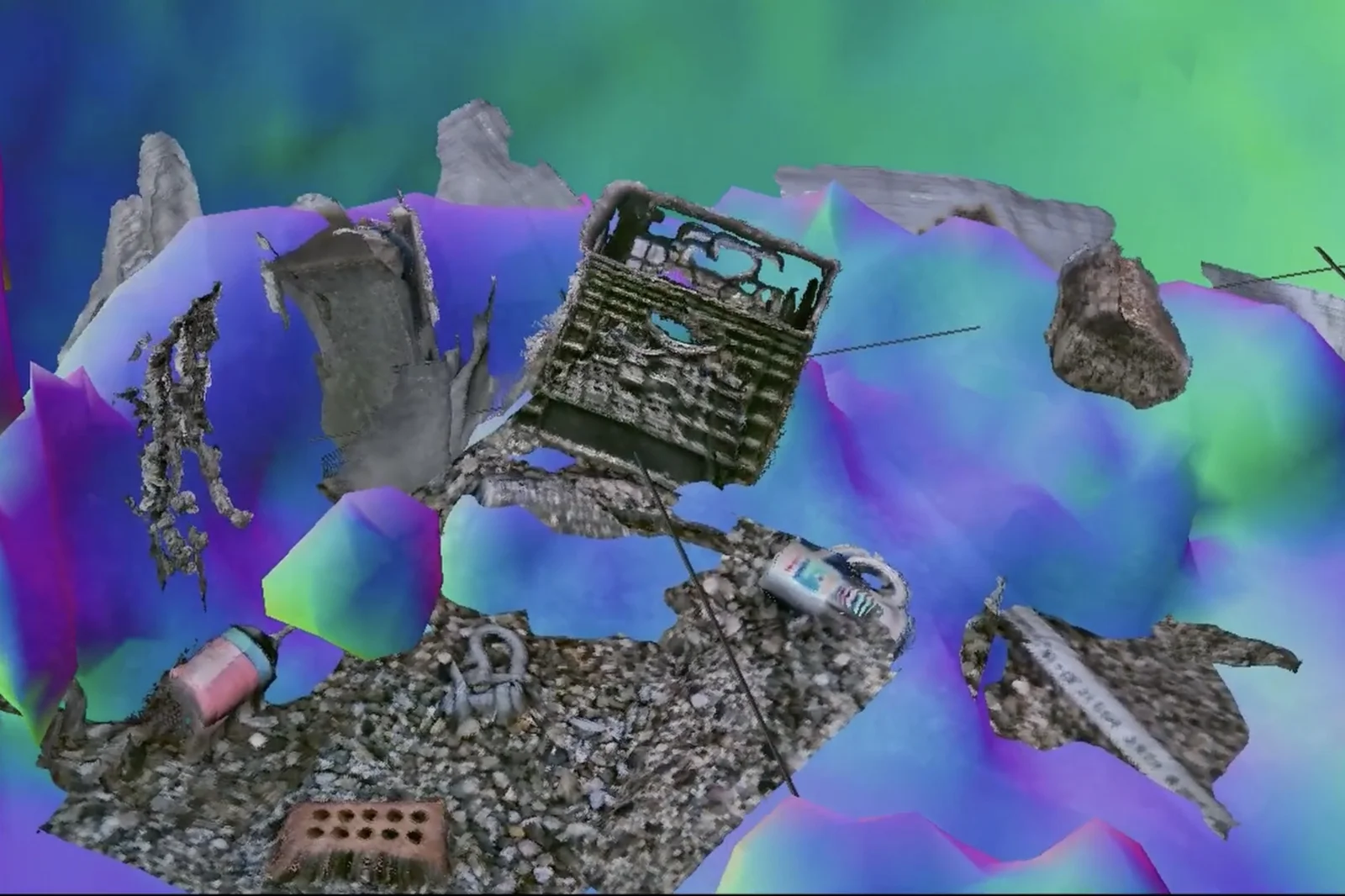
Real-time sonar-camera fusion lets underwater vehicles see through murky water
technology1 month ago

Real-time sonar-camera fusion lets underwater vehicles see through murky water

MIT and WHOI researchers introduced Sonar-MASt3R, a real-time opti-acoustic fusion approach that combines sonar data with camera imagery to generate centimeter-scale 3D maps of murky underwater environments. The system uses a coarse sonar map to guide the vehicle close enough for high-detail optical imaging, enabling safe navigation and object inspection in low-visibility water. Tested in a tank with varying turbidity, Sonar-MASt3R outperformed prior fusion methods and could aid underwater exploration, construction, maintenance, and deep-sea recovery, with plans to test in natural waters.

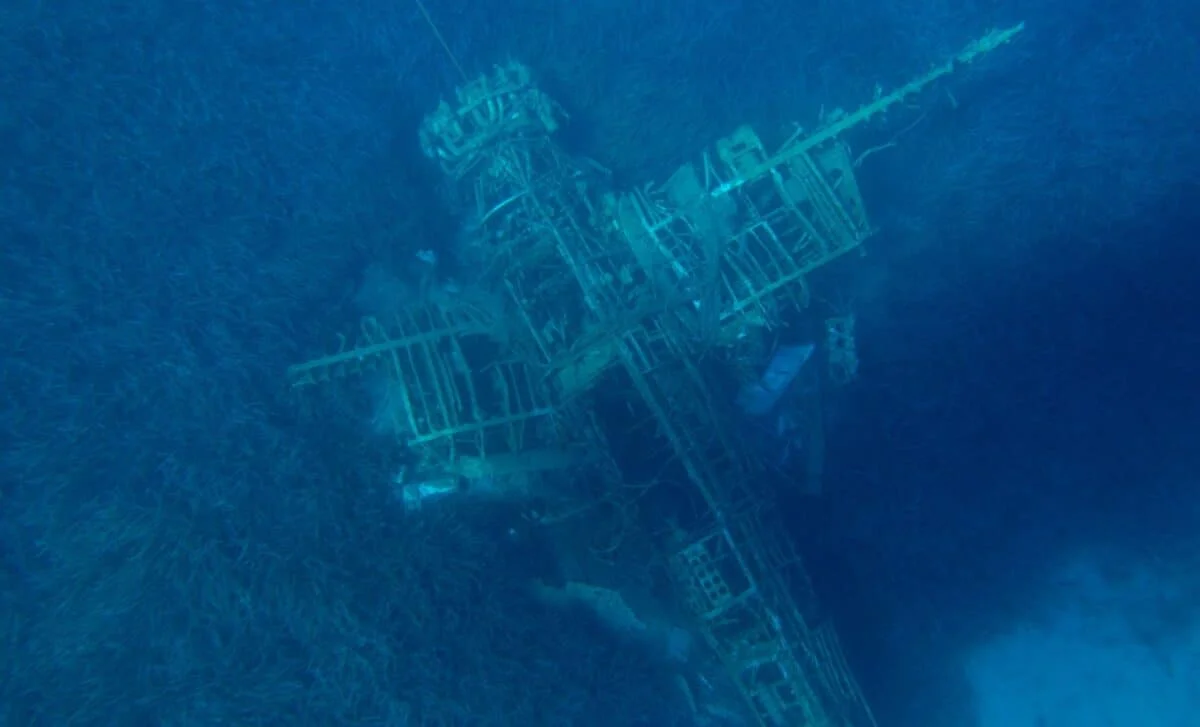
"Antarctica's Melting Ice Demands Urgent Attention"
environment2 years ago

"Antarctica's Melting Ice Demands Urgent Attention"

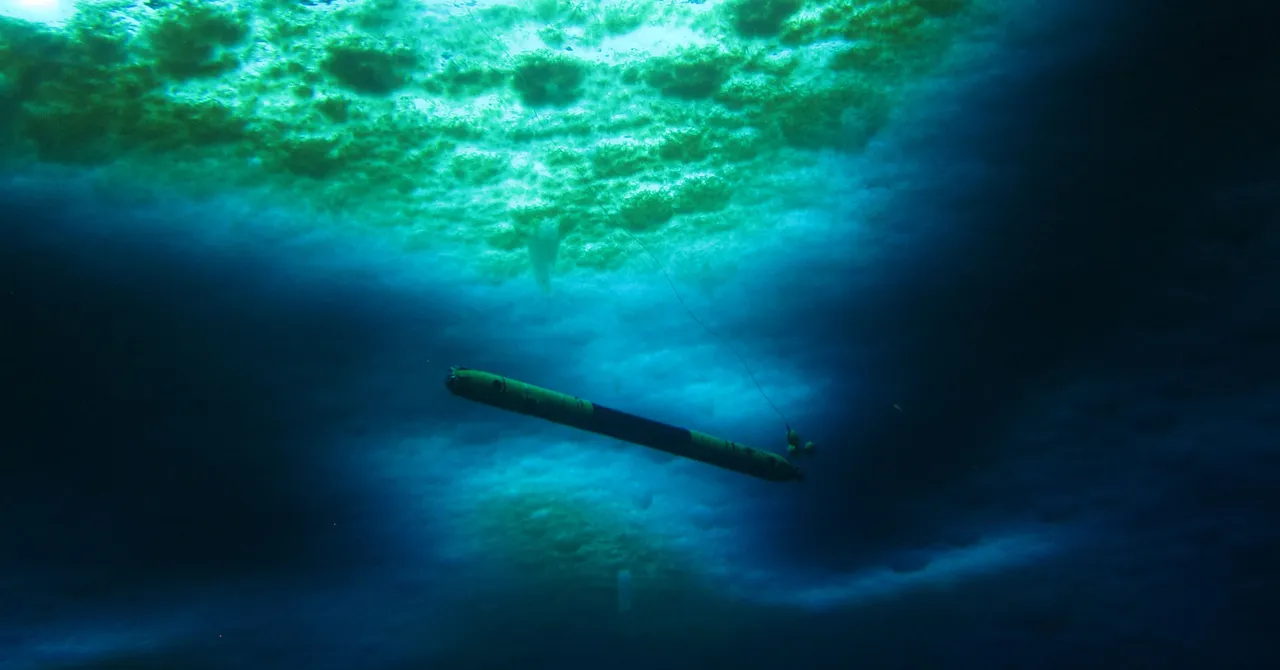
Two new studies shed light on the mysterious realm beneath Antarctica's ice shelves. Using underwater robotics and ground-penetrating radar, scientists have discovered that the melting of the ice shelves is driven by warm ocean water eating away at their undersides. The melting and freezing of seawater within deep crevasses create currents that accelerate the melting process. Additionally, researchers have found that geothermal heat and friction from ice grinding against the ground create rivers of freshwater flowing from the interior of the ice sheets, enhancing melting at the grounding line. These findings highlight the urgent need to reduce carbon emissions to prevent further collapse of Antarctica's glaciers and mitigate the potential rise in sea levels.