Tag

Veterinary Science

All articles tagged with #veterinary science

Study Links Large Dog Size and Male Sex to Accelerated Molecular Aging
science1 month ago

Study Links Large Dog Size and Male Sex to Accelerated Molecular Aging

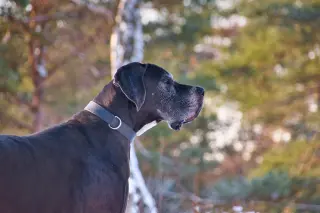
Researchers from the Dog Aging Project Consortium, including Arizona State University and Vanderbilt University, have identified molecular mechanisms explaining why large dogs age faster than small ones. Published in Science, the study analyzed DNA methylation in 894 dogs, finding that larger breeds and males exhibit accelerated epigenetic aging, which correlates with shorter lifespans.

Epigenetic Clocks Reveal Why Large Dogs Age Faster Than Small Breeds
science1 month ago

Epigenetic Clocks Reveal Why Large Dogs Age Faster Than Small Breeds

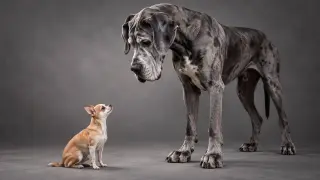
A new study published in Science shows that larger dogs age faster at the molecular level than smaller ones, explaining their shorter lifespans. Researchers analyzed DNA methylation patterns in 894 dogs, finding that accelerated epigenetic aging in large breeds correlates with higher mortality risks. This provides a biological basis for the 'size-lifespan trade-off' in canines, where Great Danes live roughly half as long as Chihuahuas.

"Cannabis Oil: A Promising Treatment for Canine Skin Disorders"
health2 years ago

"Cannabis Oil: A Promising Treatment for Canine Skin Disorders"

A study conducted by a team of veterinary students and scientists in Brazil found that oral administration of cannabis oil effectively reduced symptoms of discoid lupus erythematosus (DLE) in a two-year-old mixed breed dog. Traditional treatments had not improved the dog's condition, so the researchers administered a mixture of cannabis oils with different levels of cannabidiol (CBD) and tetrahydrocannabinol (THC). After a year of treatment, all symptoms of DLE disappeared, and the dog experienced no further recurrences. This study suggests that cannabis oil could be a promising treatment for canine autoimmune-based skin disorders like DLE.

French Bulldog Puppy Miraculously Regrows Jaw After Cancer Surgery
medical-science2 years ago

French Bulldog Puppy Miraculously Regrows Jaw After Cancer Surgery

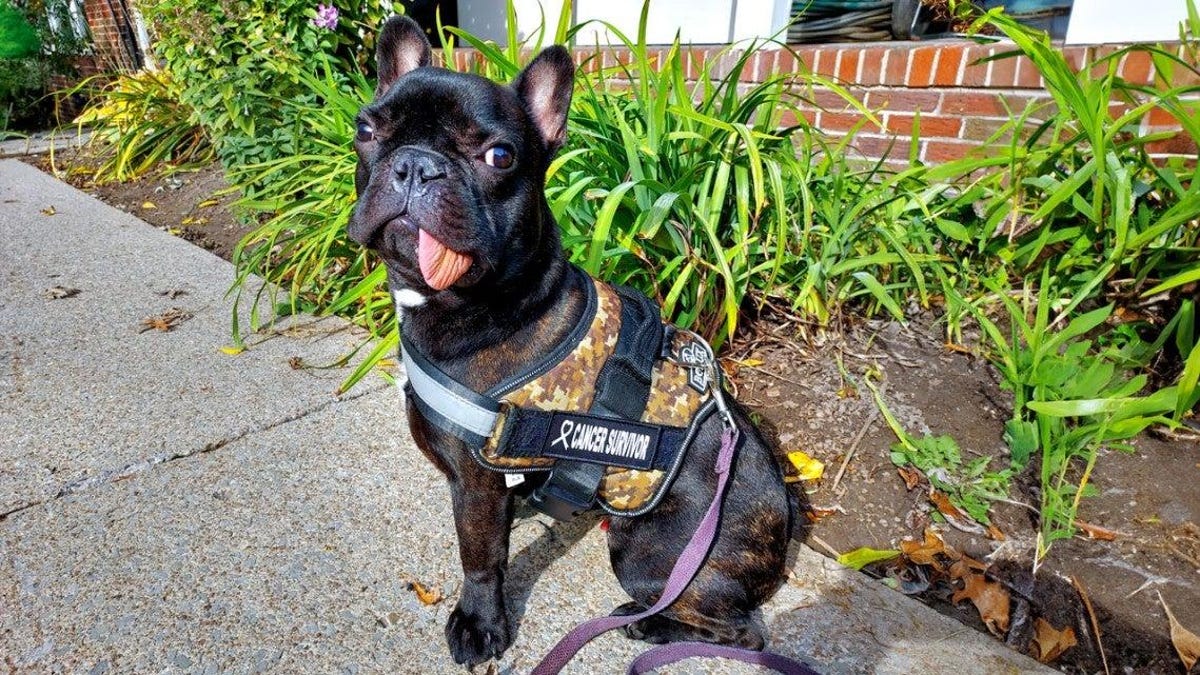
A 3-month-old French bulldog named Tyson spontaneously regrew most of his lower left jaw after it had to be removed to treat his cancer, marking the first documented case of jaw regeneration in a dog following oral cancer surgery. The surgery left much of the jaw’s periosteum intact, and Tyson's young age likely contributed to the remarkable recovery. While his new jaw isn't as functional as the old one, Tyson remains cancer-free and is living life to the fullest, with hopes that his case can help doctors understand how to achieve similar outcomes for other dogs in the future.

"New Research Identifies Dog Breeds at Higher Risk of Cancer"
health2 years ago

"New Research Identifies Dog Breeds at Higher Risk of Cancer"

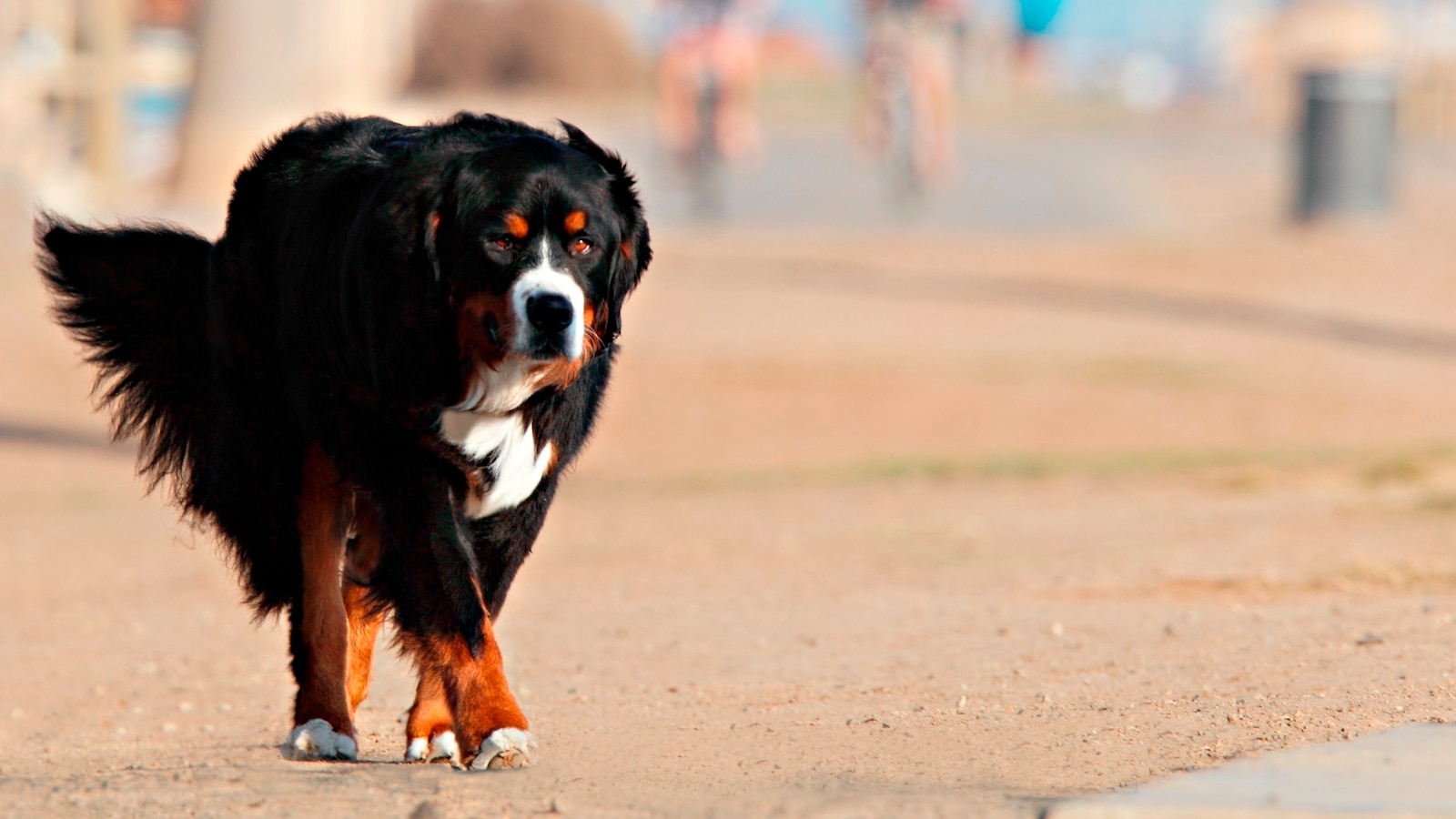
New research has identified that large, but not the largest, dog breeds generally have the highest cancer risk, disproving the notion that larger dogs are more prone to the disease. The study found that big dogs actually have less risk of developing cancer than medium-sized dogs due to their shorter lifespan. Some of the breeds most prone to cancer include flat-coated retrievers, Bernese mountain dogs, and Westies, with terriers, especially Scottish terriers, having a higher likelihood of developing cancer than previously expected. The study provides insight into genetic mutations causing cancer in dogs and can be used to monitor whether breeds are becoming more susceptible to specific cancers in the future.