Tag

Viewing Guide

All articles tagged with #viewing guide

August 12, 2026 Solar Eclipse: Your regional viewing guide across North America and Europe
science2 hours ago

August 12, 2026 Solar Eclipse: Your regional viewing guide across North America and Europe

The August 12, 2026 solar eclipse will be visible as a partial eclipse across most of Europe and North America, with a total solar eclipse along a path crossing Spain. Europe will experience deep partials near sunset (Madrid ~99%, Paris ~92%, Berlin ~85%), while the UK also sees very high partial coverage. In North America, observers will see modest partials: St. John’s, Newfoundland ~53%; Montreal ~18%; Toronto ~8%; and in the U.S. Northeast, cities like Presque Isle, ME ~28%, NYC ~9%, Philadelphia ~7%. Times vary by city, with UK events in the early-to-mid evening and North American windows around local afternoon times; photographers are encouraged to capture the dramatic sunset-line view.
Total Solar Eclipse 2026: Where to witness the path of totality across Greenland, Iceland, and Spain
space2 days ago

Total Solar Eclipse 2026: Where to witness the path of totality across Greenland, Iceland, and Spain

On Aug 12, 2026, a total solar eclipse will traverse Greenland, Iceland, and northern Spain, with totality lasting up to 2 minutes 18 seconds; a broad swath of Europe will see a partial eclipse. Space.com is publishing viewing guides, safety tips and live coverage, with eclipse-related reporting from Greenland and northern Spain. Spain is expected to be popular for its weather, though observers should account for a very low sun on the western horizon at totality.

March 3 Blood Moon: How to Catch the Dawn-Visible Total Lunar Eclipse
science4 months ago

March 3 Blood Moon: How to Catch the Dawn-Visible Total Lunar Eclipse

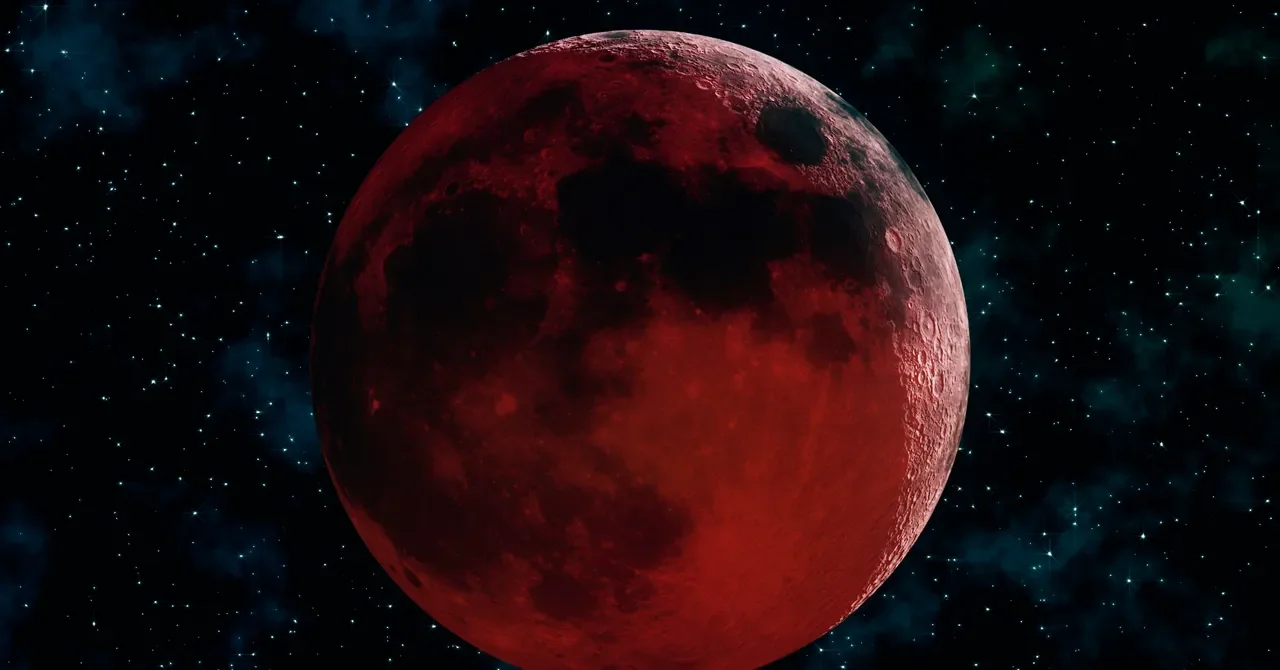
The first major 2026 astronomical event is a total lunar eclipse (the 'blood moon') on March 3. It will be visible in North and Central America, with partial visibility in Central and South Asia, and not visible in Europe or Africa. Totality lasts about 12 minutes near dawn; times vary by location (roughly LA 3:04 am to DC 6:04 am). No special equipment is needed; observe from a high, unobstructed vantage point as the Moon nears the horizon. The red hue comes from sunlight filtered through Earth's atmosphere. Total lunar eclipses occur about every 2.5 years, rarer than solar eclipses.

Sinners in the Spotlight? Bulwark’s Oscar Guide Bets on One Battle After Another
entertainment5 months ago

Sinners in the Spotlight? Bulwark’s Oscar Guide Bets on One Battle After Another

Bulwark culture writer Sonny Bunch breaks down the 2026 Oscar Best Picture field, ranking nine nominees (with The Secret Agent unranked) and outlining where to stream or view them, from frontrunner One Battle After Another to a possible upset by Sinners, with quick takes on Frankenstein, F1: The Movie, Train Dreams, Bugonia, Hamnet, Sentimental Value and Marty Supreme; plus an Assigned Viewing pick: The Chair Company (HBO Max).

"Total Solar Eclipse Viewing Guide: Timing, Locations, and Weather in Michigan and Beyond"
astronomy2 years ago

"Total Solar Eclipse Viewing Guide: Timing, Locations, and Weather in Michigan and Beyond"

The April 8, 2024 total solar eclipse will be visible in various parts of the U.S., with some areas experiencing a total eclipse and others a partial one. Michigan, although mostly outside the path of totality, will still be able to witness the event with approved eclipse glasses or a safe viewer. A small section of southeastern Monroe County in Michigan is expected to be in the path of totality, where the area will likely experience dimming and a slight drop in temperatures as the moon's shadow covers the sun. Residents can use a ZIP code locator to find out the time, duration, peak, and percentage of the eclipse in their area.

"2024 Solar Eclipse: Interactive Map, Glasses, and National Guard Deployment"
astronomy2 years ago

"2024 Solar Eclipse: Interactive Map, Glasses, and National Guard Deployment"

Residents in Florida can view a partial solar eclipse on April 8, 2024, with the northern parts of the state experiencing a greater blockage of the sun. It's crucial to use solar glasses or a projector to avoid eye damage. Pineville in the northwestern tip of Florida's Panhandle is the best place to view the eclipse, with 82.4 percent of the sun covered at 1:55 p.m. CDT. Additionally, Florida will be in the path of totality for a total solar eclipse in 2045.