The deaths of two children in China after receiving CRISPR-based therapies have renewed concerns among scientists about the safety and ethics of delivering gene-editing medicines with viral vectors, prompting renewed calls in the US for tighter standards and oversight.
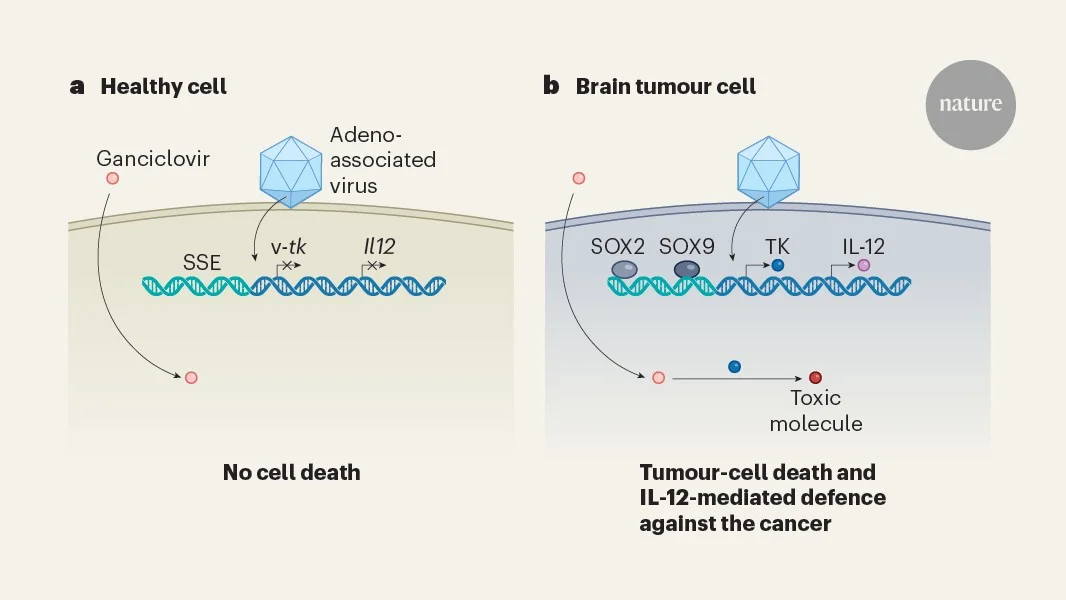
A Nature News & Views piece describes Koeber et al.'s strategy to selectively kill glioblastoma cells by using a virus to deliver an engineered DNA sequence that encodes a protein needed for a drug to kill the tumor, plus a cytokine to rally the immune system; in mice, this viral cargo eliminated brain tumours, offering a potential targeted cancer therapy that aims to spare healthy tissue.
A child undergoing experimental gene therapy with a new virus died shortly after the procedure, raising concerns about the safety of viral vectors used in brain gene therapies and potentially hindering progress in the field.
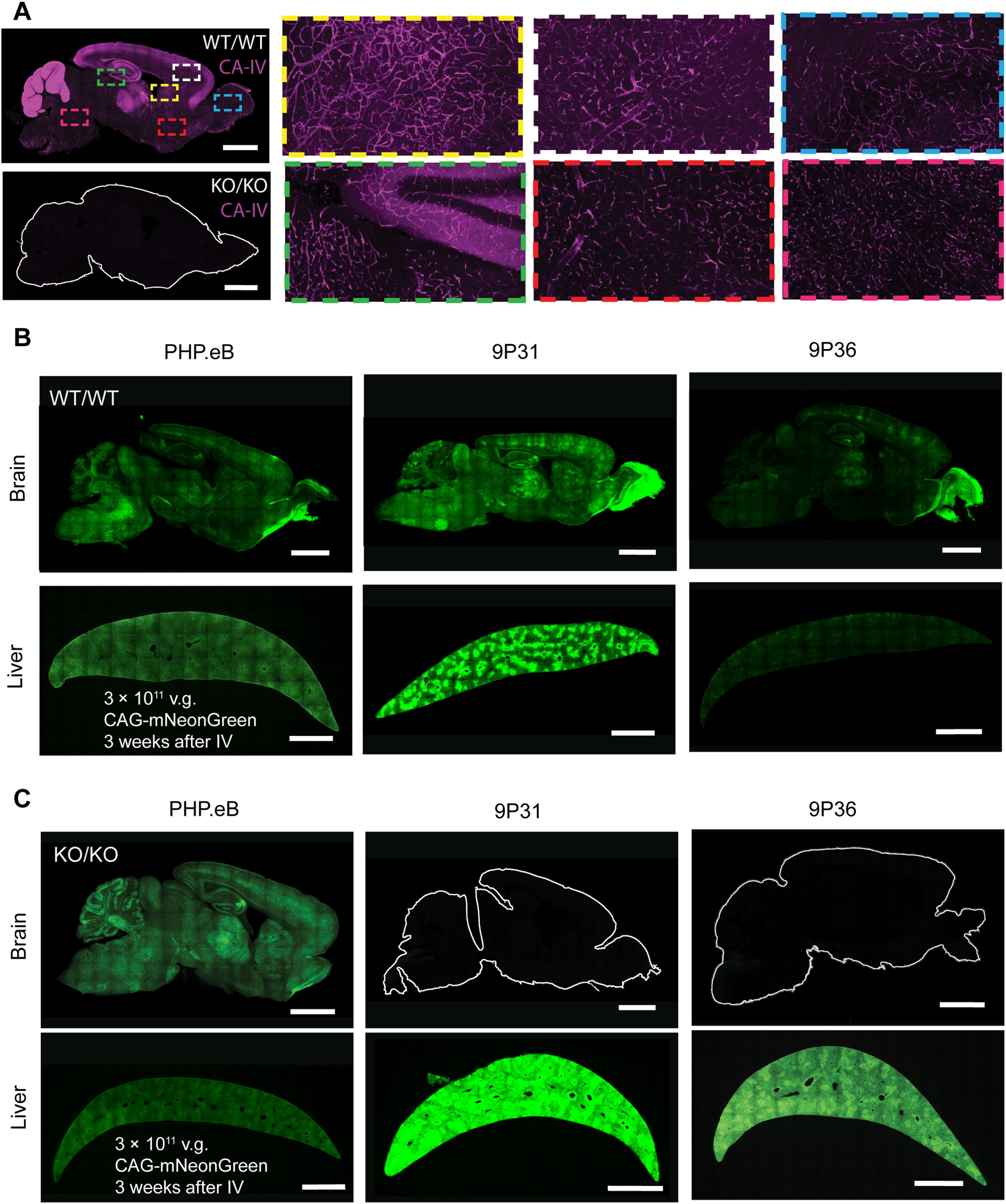
Researchers at Caltech have identified a previously unknown mechanism by which certain viral vectors can cross through the blood-brain barrier (BBB), which protects the brain from hazards in the bloodstream. The team discovered an enzyme called carbonic anhydrase IV (CA-IV) that enables a few different viral vectors to cross the BBB. This mechanistic insight may provide a new approach to designing viral vectors for research and therapeutic applications, and understanding this and other new mechanisms could also give insight into how the brain's defenses may be exploited by emergent pathogens, enabling researchers to prepare methods to block them.