Tag

Volcanic Hazards

All articles tagged with #volcanic hazards

Toba caldera's long shadow: danger lingers for millennia after eruption
discoveries2 hours ago

Toba caldera's long shadow: danger lingers for millennia after eruption

New research on Indonesia’s Toba caldera shows that after its 74,000-year‑old super-eruption, magma continued to move and trigger renewed activity for 5,000–13,000 years, even as parts of the system cooled into solid rock. By dating post-eruption lava domes with argon/zircon methods, scientists reveal a thermally uneven reservoir with a warmer core and colder shell, meaning eruptions can occur without liquid magma and long-term hazards persist long after the main eruption.
AI Finds 73 Hidden Submarine Calderas, Expanding Oceanic Volcano Map
science1 month ago

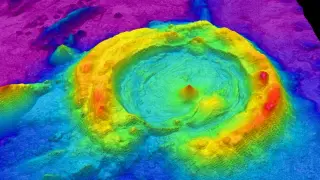
AI Finds 73 Hidden Submarine Calderas, Expanding Oceanic Volcano Map

An AI-assisted analysis of seafloor bathymetry led by Andrea Verolino identifies 73 previously unknown submarine calderas, potentially tripling the world's known count and revealing counts at mid-ocean ridges, volcanic arcs, and interior seafloor. The study provides a transparent framework for mapping submarine volcanism and assessing hazards, though it does not confirm whether any of these calderas are currently active.

Yellowstone’s Biscuit Basin yields a tiny eruption with new vents and boiling pool
science2 months ago

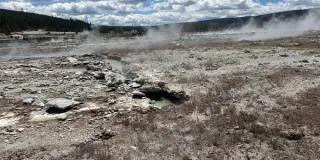
Yellowstone’s Biscuit Basin yields a tiny eruption with new vents and boiling pool

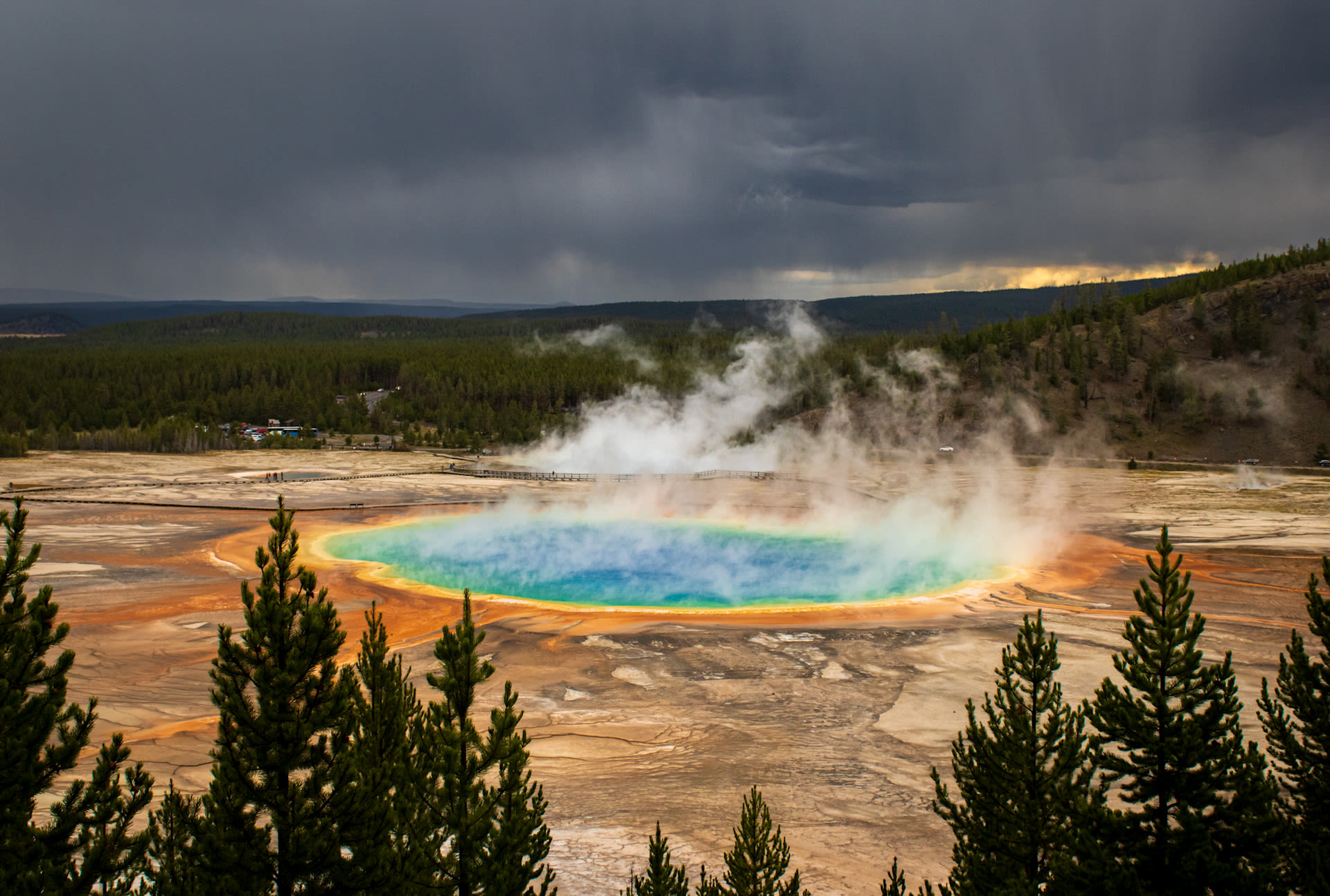
A small hydrothermal explosion at Biscuit Basin, Yellowstone, on June 13, 2026 produced a milky plume in the Firehole River, formed three sets of new vents, and created a boiling pool days later. Black Diamond Pool was not the source, and a monitoring camera captured the event as scientists confirmed hot, vented water entering the river. The area remains hazardous, Biscuit Basin has been closed since 2024, and investigators will analyze data for potential warning signs to better understand hydrothermal activity in the park.

Unveiling the Explosive Secrets of Dormant Volcanoes
science2 years ago

Unveiling the Explosive Secrets of Dormant Volcanoes

Researchers studying the Ciomadul volcano have uncovered valuable insights into the reactivation and eruption forecasting of long-dormant volcanoes. By analyzing the chemical and mineral composition of the magma, they discovered that even after tens of thousands of years of dormancy, a volcano can rapidly become active and pose a previously unknown threat. The study highlights the importance of understanding the signs before a volcano erupts and the potential dangers of inactive volcanoes.

Geologists Warn: Small Lava Eruptions at Yellowstone Pose Significant Threat
science2 years ago

Geologists Warn: Small Lava Eruptions at Yellowstone Pose Significant Threat

Small lava eruptions in the Yellowstone volcano caldera are "more dramatic" than previously thought, occurring in clusters and making them "still a big deal," according to a new study. These intracaldera eruptions, although smaller in volume compared to caldera-forming eruptions, have filled in much of the Yellowstone caldera. Geologists have refined the timeline of volcanic activity in Yellowstone using radiometric dating, revealing that there have been at least 28 rhyolitic intracaldera eruptions since the caldera formed 631,000 years ago. The study highlights that these eruptions are more frequent but less explosive than previously believed, occurring in groups over a short duration.

earth-science2 years ago

Unveiling the Timing of Yellowstone's Recent Rhyolite Eruptions

Scientists studying Yellowstone's volcanic history have gained new insights into the timing and nature of the park's rhyolite eruptions. Using a radiometric dating technique called 40Ar/39Ar geochronology, researchers found that the most recent stage of intracaldera rhyolite eruptions occurred in five brief episodes between 160,000 and 71,000 years ago. These episodes involved multiple eruptions spread out over several kilometers and released between 10 km3 and 130 km3 of magma. The findings suggest that intracaldera eruptions are more dramatic and less frequent than previously thought, with implications for understanding volcanic hazards at Yellowstone.