Tag

Weight Loss Drug

All articles tagged with #weight loss drug

Coroner Cites Tirzepatide-Induced Electrolyte Imbalance in Student's Death
health23 days ago

Coroner Cites Tirzepatide-Induced Electrolyte Imbalance in Student's Death

British coroner Graeme Irvine linked 19-year-old Josephine Nasr’s death in London to a cardiac arrhythmia associated with congenital heart disease and electrolyte imbalance caused by tirzepatide, a weight-loss/diabetes drug she had been prescribed in California. The inquest noted nausea from tirzepatide can trigger hypoglycemia and electrolyte disturbances that provoke dangerous arrhythmias, and the autopsy found a congenital heart condition; tirzepatide is not approved for under-18s and is associated with serious GI side effects.

Medicare’s $50 Wegovy Copay Starts July 1, But Eligibility Is Very Narrow
healthcare1 month ago

Medicare’s $50 Wegovy Copay Starts July 1, But Eligibility Is Very Narrow

Starting July 1, 2026, Medicare will offer Wegovy and other GLP-1 weight‑loss drugs for a $50 monthly copay through a temporary GLP‑1 Bridge outside Part D that runs through December 31, 2027. Eligibility is tightly restricted by BMI and comorbidities and requires Part D enrollment; those with type 2 diabetes, sleep apnea, or certain liver diseases are excluded and must pursue Part D coverage instead. The $50 copay is outside Part D and does not count toward deductibles or the $2,100 out‑of‑pocket limit. Beneficiaries should verify their plan, gather medical documentation, and work with a clinician to determine if they meet the three eligible tiers.

GLP-1 drug–linked gastric bezoar dissolves with diet soda
health1 month ago

GLP-1 drug–linked gastric bezoar dissolves with diet soda

A 63-year-old woman taking semaglutide, a GLP-1 receptor agonist similar to Ozempic, developed a gastric bezoar that caused months of nausea and abdominal discomfort. CT, MRCP, and endoscopy confirmed the mass. After stopping the medication, doctors dissolved the bezoar with diet cola (instead of the typical 3 liters) and the symptoms resolved, highlighting a noninvasive, cola-based approach to treating certain bezoars in clinically stable patients.

Zealand Pharma slides on safety concerns around survodutide
business2 months ago

Zealand Pharma slides on safety concerns around survodutide

Zealand Pharma’s shares fell about 25-26% after late-stage survodutide data showed notable GI adverse events, with a 19% discontinuation rate and more than 40% of patients reporting vomiting, raising questions about safety/tolerability despite up to 16.6% average weight loss versus placebo. Analysts warned the safety profile could limit commercial potential amid strong competition from Novo Nordisk and Eli Lilly, contributing to a steep year-to-date decline as Zealand works with Boehringer Ingelheim and Roche.

CVS Caremark Reverses, Restores Zepbound Coverage Amid Patient Backlash
healthcare3 months ago

CVS Caremark Reverses, Restores Zepbound Coverage Amid Patient Backlash

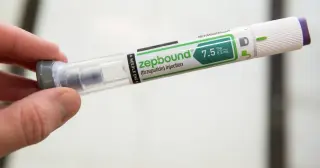
CVS Caremark will reinstate Lilly’s weight‑loss drug Zepbound on its standard formulary by Oct. 1 after patient backlash over its prior removal, which had pressured some users to switch to Wegovy. The change, affecting about 25–30 million people, does not guarantee coverage for all employer plans but may widen access; Lilly says some private plans could offer as little as a $25 copay. Lilly’s Foundayo will also be added to the formulary starting Monday. Zepbound’s list price is around $1,086 per month before discounts, and a related class‑action lawsuit over the initial formulary decision remains active. Express Scripts and Optum Rx already cover Zepbound.

CagriSema setback hits Novo Nordisk as trials disappoint
business6 months ago

CagriSema setback hits Novo Nordisk as trials disappoint

Novo Nordisk’s next‑gen weight‑loss drug CagriSema failed to meet its primary endpoint in a late‑stage trial, delivering 23% average weight loss over 84 weeks versus 25.5% for Eli Lilly’s tirzepatide, prompting a sharp stock drop and renewed investor skepticism. The company plans a higher‑dose study and continues pursuing approval based on earlier data, while analysts noted the result as a setback for its obesity‑drug ambitions.

Eli Lilly reduces Zepbound weight-loss drug prices amid industry trend
business9 months ago

Eli Lilly reduces Zepbound weight-loss drug prices amid industry trend

Eli Lilly has reduced the cash prices of its Zepbound weight loss drug vials on its direct-to-consumer platform, making the medication more accessible amid industry price cuts and government efforts to lower drug costs. Starting at $299 per month for the initial dose, the prices are now more affordable compared to the previous $349, aiming to improve access for patients facing high list prices and limited insurance coverage.

Lilly Boosts Full-Year Earnings Forecast Amid Rising Weight-Loss Drug Demand
business1 year ago

Lilly Boosts Full-Year Earnings Forecast Amid Rising Weight-Loss Drug Demand

Eli Lilly raised its full-year profit and sales forecasts driven by strong demand for its weight-loss drug Zepbound, although its new oral drug orforglipron underperformed expectations, leading to a stock decline. The company is competing with Novo Nordisk in the lucrative GLP-1 agonist market, with Lilly's market share increasing and sales surpassing analyst estimates, prompting optimistic revenue and profit outlooks for 2025.

Lower Prices for Weight-Loss Drugs Amid Ongoing Insurance Challenges
business1 year ago

Lower Prices for Weight-Loss Drugs Amid Ongoing Insurance Challenges

Eli Lilly has reduced the price of its weight-loss drug Zepbound to around $500 per month, but access remains limited for many due to inconsistent insurance coverage, especially among Medicaid and Medicare recipients. Despite high demand and strong sales, insurance issues hinder broader affordability, though Eli Lilly's stock is rated a strong buy with a significant upside potential.