Tag

Side Effects

All articles tagged with #side effects

Two Gene Variants Linked to Different Weight-Loss Responses on Obesity Drugs
health2 days ago

Two Gene Variants Linked to Different Weight-Loss Responses on Obesity Drugs

A Nature study of about 15,000 people using obesity drugs (Wegovy and Mounjaro) finds that certain genetic variants influence weight loss. One variant, especially in two copies, is associated with more weight loss; another variant may raise the risk of nausea. On average, participants lost 11.7% of body weight over eight months, with some achieving as much as 30%. Differences by sex, age, and ancestry, plus drug type, dose, duration and lifestyle, also shape outcomes. While promising for tailoring treatment, these findings are early and not yet practice-changing; further trials are needed to guide precision medicine in obesity care.

Five Statin Myths Debunked: What Science Says About Cholesterol Drugs
health12 days ago

Five Statin Myths Debunked: What Science Says About Cholesterol Drugs

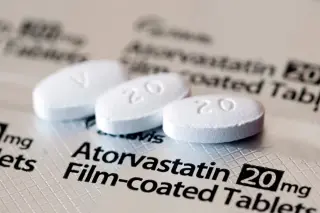
A comprehensive look at common statin myths: large randomized trials show muscle pain is largely a nocebo effect, with true statin-related pain being rare; any diabetes risk from statins is small in absolute terms (low-dose increases ~0.12% per year, high-dose ~1.27% per year) and outweighed by big reductions in heart attacks and strokes; memory loss and liver damage are not proven causal effects and serious liver injury is extremely rare; and the greatest benefit comes from combining statins with healthy lifestyle changes. High-dose statins can lower LDL by about 50% and, when paired with lifestyle improvements, significantly reduce cardiovascular risk.

GLP-1 Weight-Loss Drugs Under Fire: Side Effects and Lawsuits Rise
health2 months ago

GLP-1 Weight-Loss Drugs Under Fire: Side Effects and Lawsuits Rise

An opinion piece cautions that GLP-1 medications like Ozempic, while beneficial for diabetes, can cause serious adverse effects (gastroparesis, organ issues, vision loss, muscle and bone decline) when used for vanity weight loss. It cites lawsuits against drugmakers for warnings and emphasizes the need to prioritize nutrition, metabolic health, and sustainable lifestyle changes over prolonged pharmacological use, warning against turning wellness into a perpetual drug regimen.

Most statin side effects lack evidence, major meta-analysis finds
health2 months ago

Most statin side effects lack evidence, major meta-analysis finds

A Lancet meta-analysis of 19 large randomized trials (over 122,000 participants) finds that most reported statin side effects are not supported by reliable evidence, with real adverse effects being rare (about 1% muscle symptoms; rare rhabdomyolysis; small increases in liver tests and glucose for those near diabetes thresholds). The benefits remain substantial: roughly 25% lower risk of heart attack or stroke and meaningful LDL reductions, with inexpensive generic options (~$40/year). Updated PREVENT-based risk estimates could expand who should start statins, underscoring that fears of side effects should not unduly deter appropriate preventive therapy.

Lancet review finds statins far safer than warnings suggest
health2 months ago

Lancet review finds statins far safer than warnings suggest

A Lancet study reviewing trials of statins (over 120,000 participants) finds side effects are rare and not caused by statins, with minimal liver impact and only rare muscle or blood-sugar issues. The findings support updating patient leaflets, emphasize that statins significantly reduce LDL cholesterol and cardiovascular risk, and reinforce their role in preventing heart attacks and strokes.

Big statin side-effect list largely not caused by the drugs, study finds
health2 months ago

Big statin side-effect list largely not caused by the drugs, study finds

A Lancet meta-analysis of 19 randomized trials involving about 124,000 participants over roughly 4.5 years finds that 62 of the 66 side-effects listed for statins have no solid evidence of being caused by the drugs; only four (liver test changes, minor liver abnormalities, urine changes, tissue swelling) have evidence supporting them. Overall, the risk of side-effects is very small and the cardiovascular benefits of statins—reducing heart attacks, strokes and cardiovascular deaths—greatly outweigh harms, prompting calls to update labeling to better reflect the evidence and reassure patients and doctors.

Too much vitamin D can backfire — spot the warning signs and trim your dose
health2 months ago

Too much vitamin D can backfire — spot the warning signs and trim your dose

The NHS advises a daily 10 microgram vitamin D supplement from October to March, but overdoing it can cause symptoms such as excessive thirst and urination, nausea, stomach upset, headaches or brain fog, and new aches or cramps, which may indicate hypercalcaemia. With many people taking higher-dose products and some supplements delivering up to 12.5 times the safe limit, it’s easy to double up from tablets, sprays, gummies, or fortified foods. Use only one vitamin D source and consult a clinician if warning signs appear.

What the Evidence Reveals About Statins and Health Concerns
health3 months ago

What the Evidence Reveals About Statins and Health Concerns

Statins are effective in reducing heart attack and stroke risk by lowering LDL cholesterol, with large clinical trials supporting their use, especially for high-risk individuals. While they have potential side effects like muscle issues and interactions with other drugs, most people tolerate them well. Lifestyle modifications such as diet and exercise are also crucial for managing cholesterol and cardiovascular risk, and treatment should be personalized based on individual risk factors and lifestyle.

What the Evidence Reveals About Statins and Health Concerns
health3 months ago

What the Evidence Reveals About Statins and Health Concerns

Statins are effective in reducing heart attack and stroke risk by lowering LDL cholesterol, with large clinical trials supporting their use, especially for high-risk individuals. While they have some side effects and drug interactions, most people tolerate them well. Lifestyle modifications like diet and exercise are also crucial and can sometimes delay or reduce the need for medication. Treatment should be personalized, balancing benefits and risks, with a focus on addressing broader lifestyle factors to combat heart disease.