Tag

Wollemi Pine

All articles tagged with #wollemi pine

Ranger uncovers a living fossil in an Australian canyon: the Wollemi pine
science1 month ago

Ranger uncovers a living fossil in an Australian canyon: the Wollemi pine

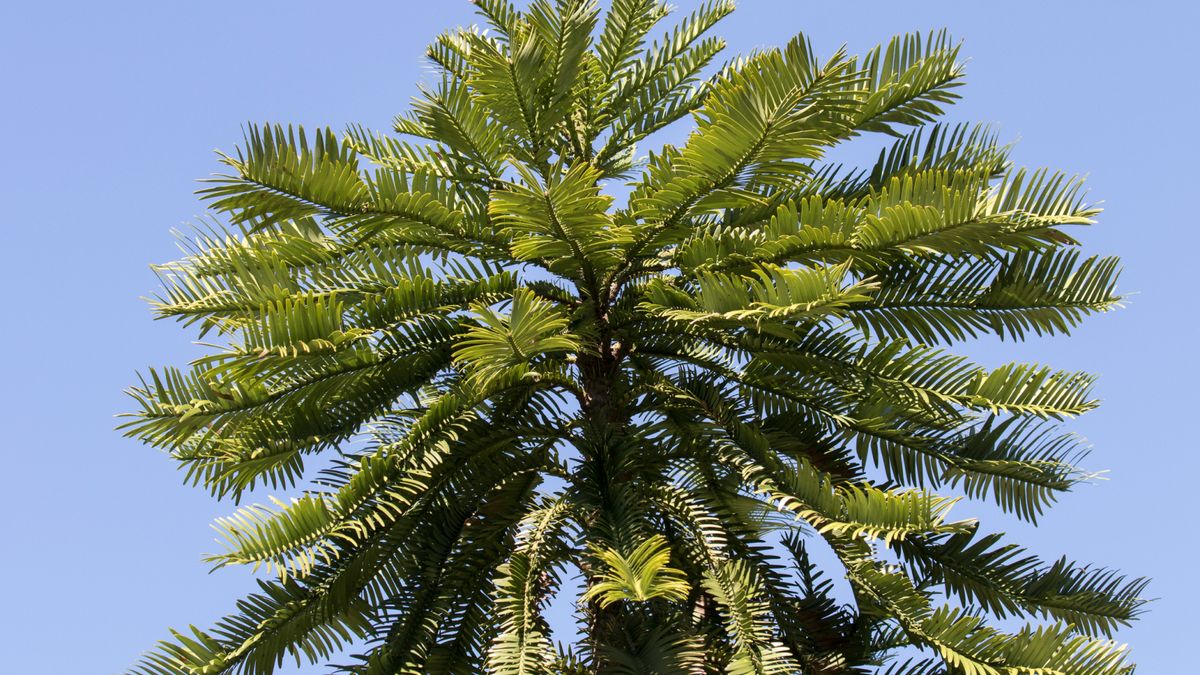
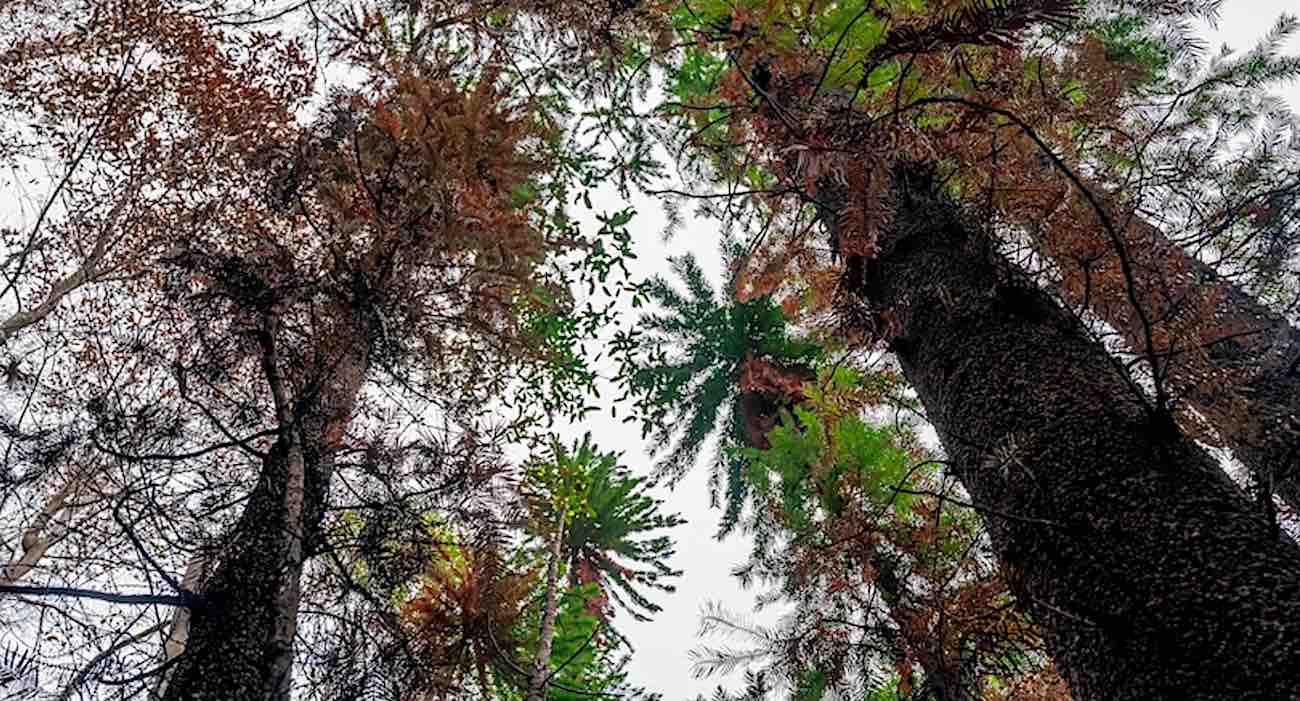
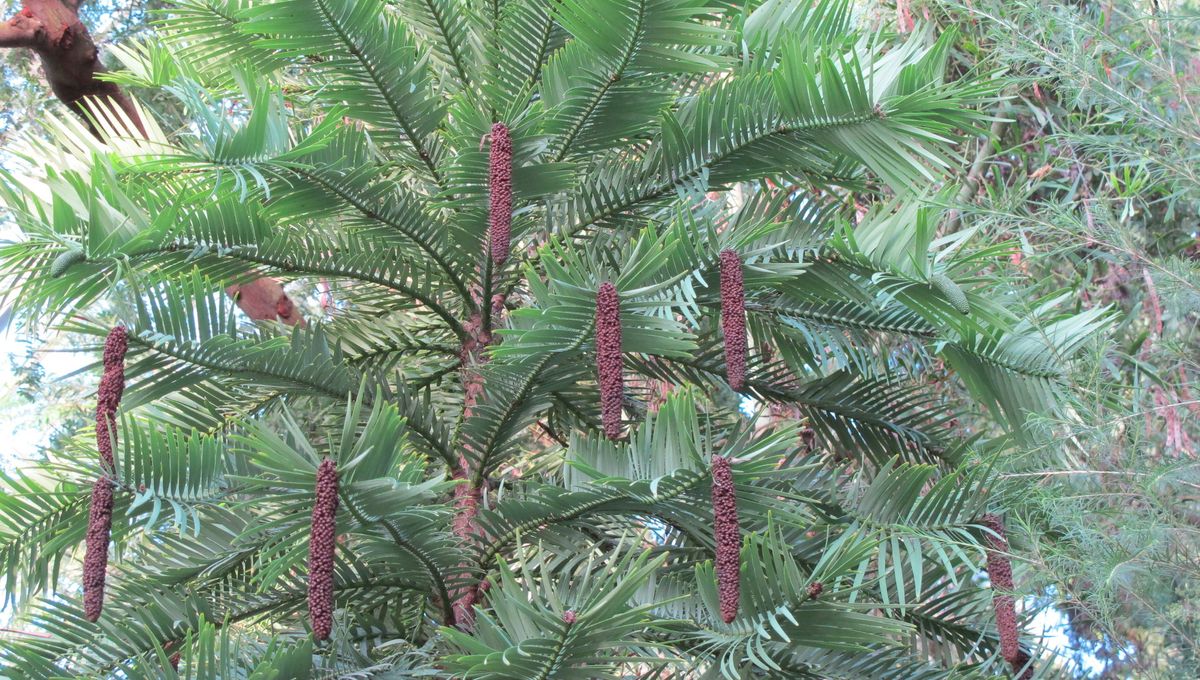
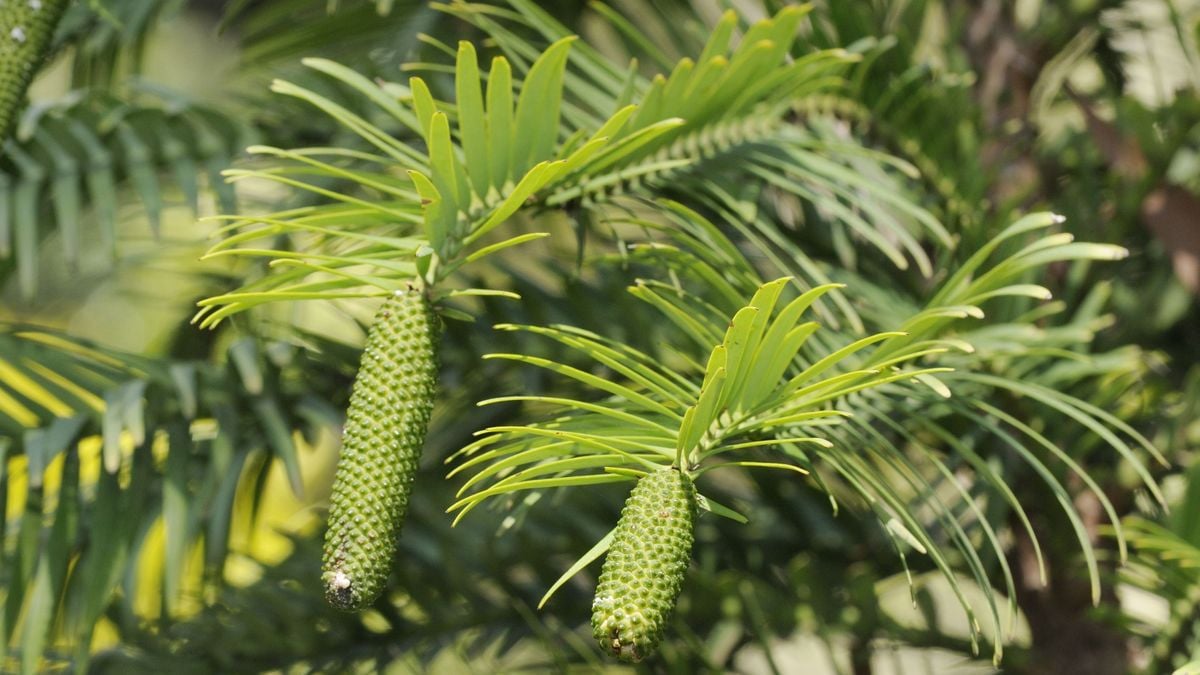
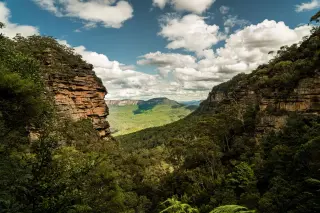
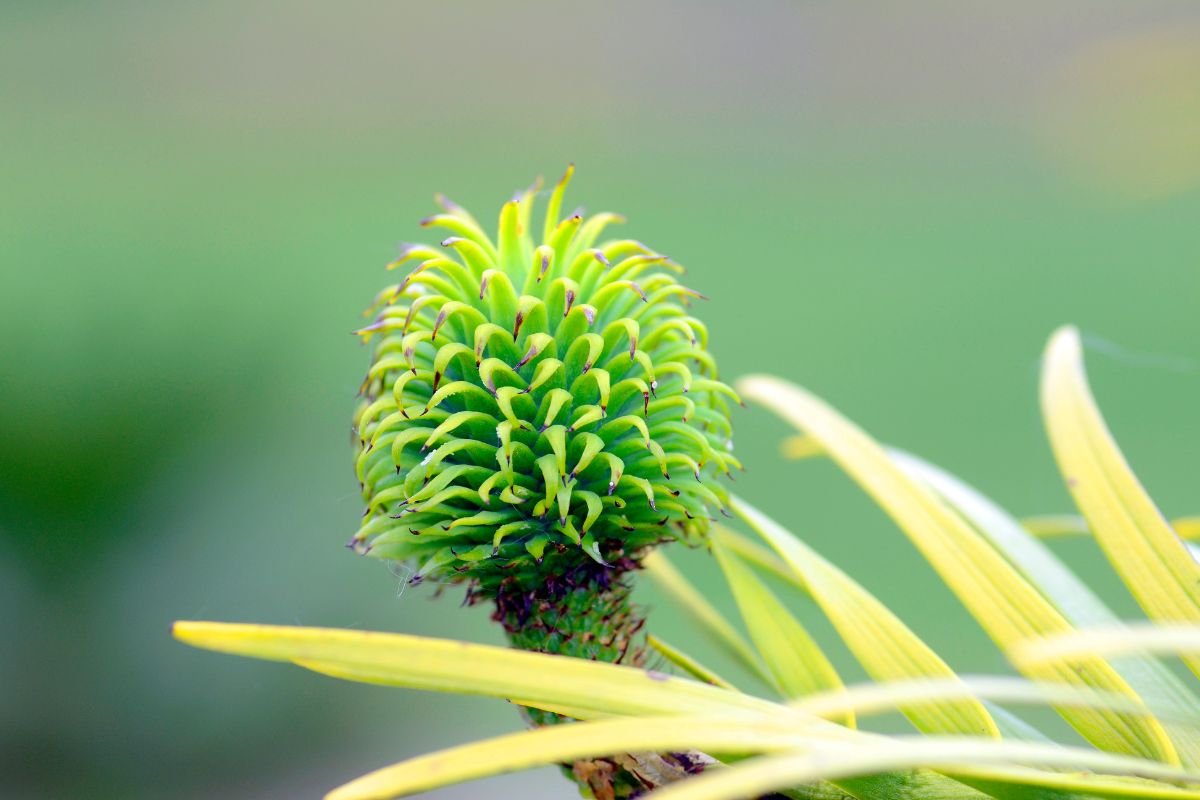
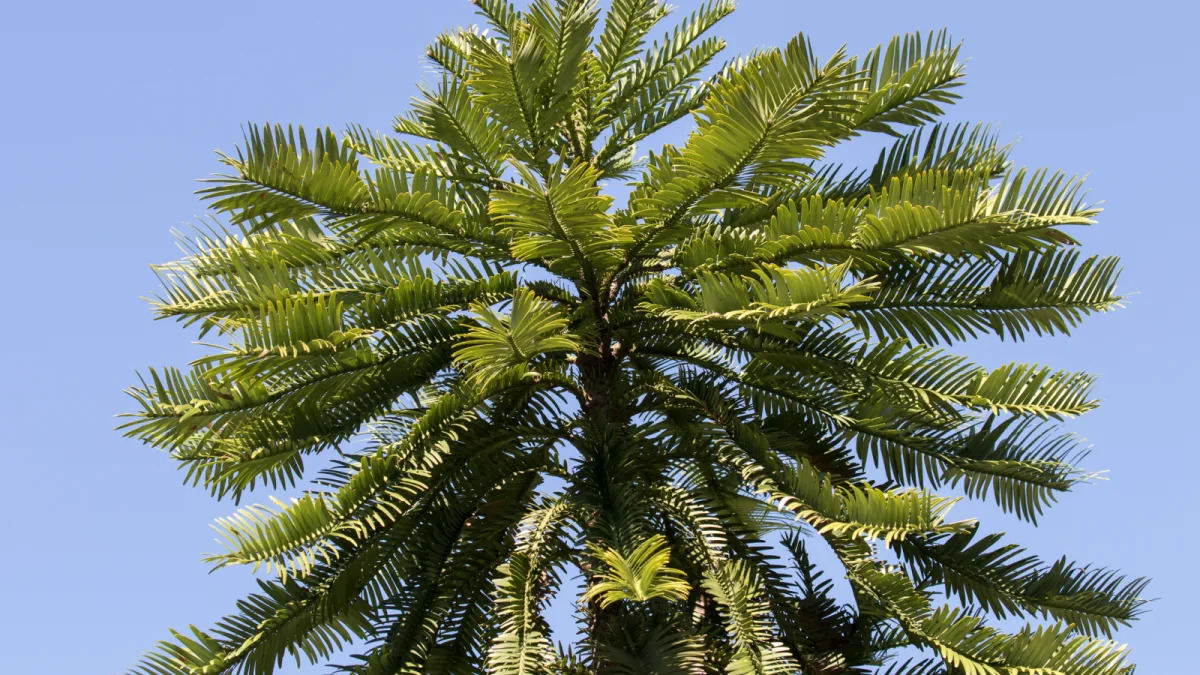
Park ranger David Noble discovered a stand of trees in a Wollemi National Park canyon in 1994 that matched 90-million-year-old fossils, leading to the description of Wollemia nobilis—the Wollemi pine—as a new genus in 1995. Labeled a 'living fossil,' it has a tiny wild population across four stands (45 mature trees and 46 seedlings). To conserve it, cultivars were distributed worldwide, seed banks and living collections were created, and three genetic groups were identified to preserve diversity in a global 'meta-collection,' while the exact location remains secret to shield the species from fire, drought, and disease.
"Secret Planting of 66 Million-Year-Old 'Living Fossil' Tree"
environment2 years ago

"Secret Planting of 66 Million-Year-Old 'Living Fossil' Tree"

Scientists are working to save the "living fossil" Wollemi pine, a species thought to have disappeared 2 million years ago, by planting them in secret locations in Australia's Wollemi National Park. Threatened by a pathogenic water mold and wildfires, the trees are being reintroduced to the wild, with over 500 saplings planted in 2021. However, challenges such as drought, bushfires, and reduced rainfall due to climate change pose significant obstacles to the species' long-term survival, making the restoration effort a multi-generational endeavor.

"Secret Planting of 66 Million-Year-Old 'Living Fossil' Tree"
environment2 years ago

"Secret Planting of 66 Million-Year-Old 'Living Fossil' Tree"

Scientists are planting "living fossil" Wollemi pines in secret locations to save the species from extinction, with only around 60 remaining in Wollemi National Park due to threats from a pathogenic water mold and wildfires. The slow-growing trees, which were rediscovered in 1994, are being reintroduced to their natural habitat, but face challenges such as drought, bushfires, and climate change. The effort is multi-generational, as it will take decades, if not centuries, for the translocated populations to become self-sustaining and produce second-generation seedlings.

"Park Ranger Discovers 2-Million-Year-Old Dinosaur Evergreen Grove, Dubbed 'Find of the Century'"
science-and-environment2 years ago

"Park Ranger Discovers 2-Million-Year-Old Dinosaur Evergreen Grove, Dubbed 'Find of the Century'"

A park ranger in Australia discovered a grove of 90 Wollemi pine trees, which are believed to have evolved 91 million years ago and were thought to have gone extinct 2 million years ago. The National Parks and Wildlife Service has been working in extreme secrecy to plant the slow-growing pine trees in other locations to ensure their survival. The level of security around the trees is high, with unauthorized entry punishable by law, and efforts are being made to ship seedlings across the world to botanical gardens in order to save the species from extinction.

Endangered "Living Fossil": Wollemi Pine's Ancient Plight
environment2 years ago

Endangered "Living Fossil": Wollemi Pine's Ancient Plight

The Wollemi pine, often referred to as a "living fossil" due to its ancient lineage dating back to the age of dinosaurs, is facing a dire threat of extinction. With fewer than 60 plants remaining in the wild, this rare species is highly inbred and has a limited genetic diversity. Researchers have sequenced its genome, revealing its ability to survive and decline over millions of years. The study also highlights the vulnerability of the Wollemi pine to hotter and drier conditions, making it more susceptible to wildfires. As climate change intensifies, the future of this unique tree species becomes increasingly uncertain.

Ancient Mystery Unraveled: The Secret of the 'Living Fossil' Tree Revealed
science2 years ago

Ancient Mystery Unraveled: The Secret of the 'Living Fossil' Tree Revealed

Scientists have decoded the genome of the Wollemi pine, a "living fossil" tree species that was thought to have gone extinct around 2 million years ago. The genome analysis revealed that the pine has a large genome size with low genetic diversity, likely due to a bottleneck event thousands of years ago. The trees reproduce mainly through cloning themselves, and their rarity may be attributed to the high number of transposons, or "jumping genes," in their genome. The study also shed light on the susceptibility of the Wollemi pine to disease and has important implications for its conservation efforts as there are only 60 trees remaining in the wild, which are threatened by bushfires.