Stanford Team Creates Mice with Human Cortex to Model Brain Diseases
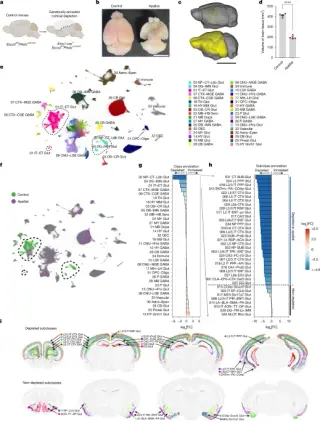
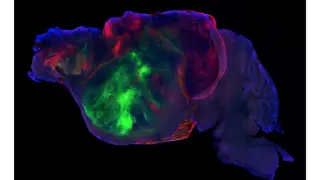
Stanford researchers have developed a new model for studying human brain disorders by genetically removing the cortex of mice and replacing it with human brain organoids. Published in Nature, the study shows that these 'xenocortical' mice survive and exhibit behaviors intermediate between normal and cortex-free mice, offering a potential platform for testing therapies for conditions like epilepsy and autism.