
finance-and-economics6.29 min read
Powell in the crosswinds: inflation, markets, and politics collide at the Fed
6 months ago•Source: The Economist

The latest finance and economics stories, each synthesized from multiple sources with added background and context.

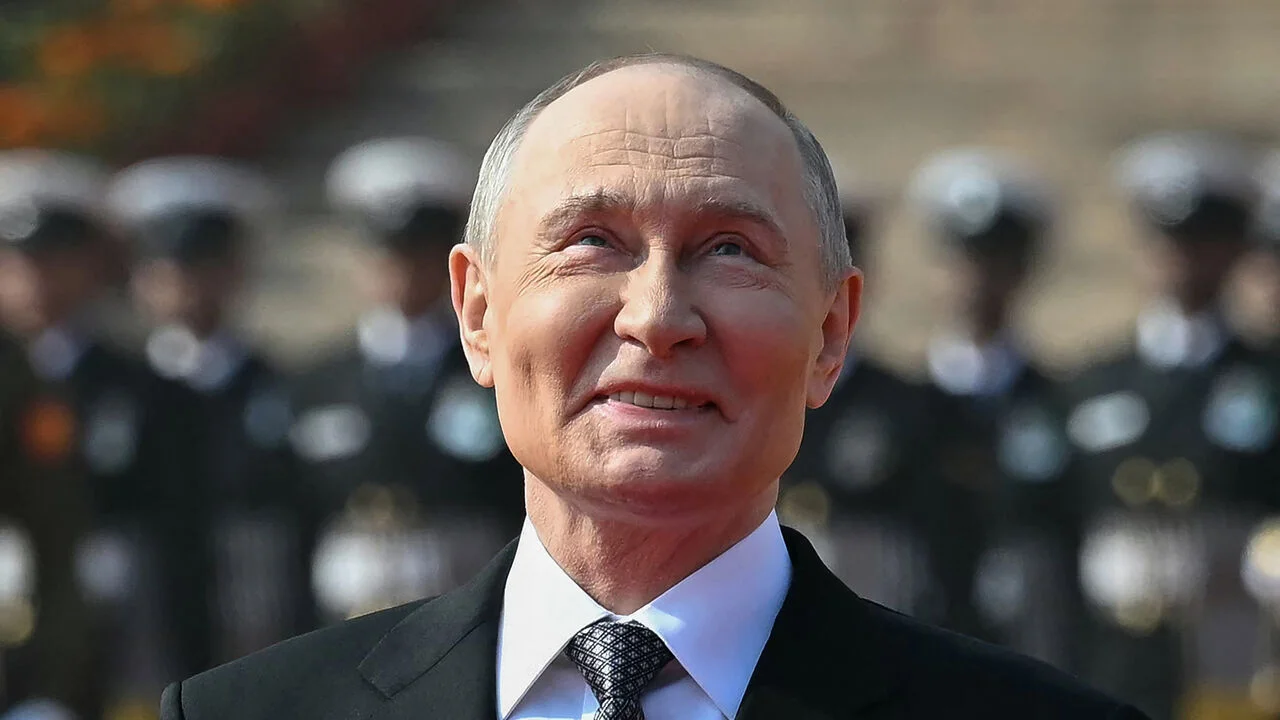
Shut Strait of Hormuz keeps about a fifth of worldwide oil and LNG supply stranded, pushing Brent to around $112 and European gas prices up sharply, signaling a persistent energy shock that traders expect to endure even in the best-case scenario.
The Economist•7 months ago
The Economist•7 months ago

AI is advancing rapidly and solving complex tasks (even aiding theoretical physics), but its impact on measured output and productivity remains limited so far, echoing the Solow paradox that breakthrough capabilities don't yet translate into broad productivity gains.
The Economist outlines Kevin Warsh, a Trump-era Fed nominee, arguing his stance that inflation is perilous, monetary policy has often been too stimulative, and Fed bond-buying (QE) contributed to economic woes; the piece frames his views as “Warshonomics” and discusses potential policy implications for a Trump-influenced Fed.
The article discusses how the ultra-rich are increasingly abandoning traditional luxury assets like fine wines, vintage cars, and mansions, despite their rising values from 2015 to 2023, indicating a shift in investment preferences among the wealthy.
Since Trump's return to the White House, market reactions to his policies have become muted, with only brief fluctuations in Treasury yields and the dollar, and stock markets reaching new highs, raising questions about the future strength of the dollar.
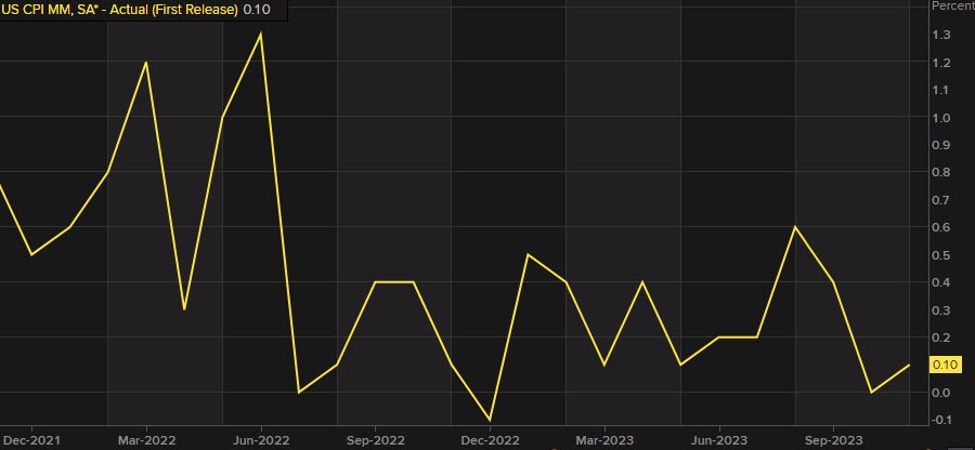
Upcoming CPI data from the US and China are key focal points for the week, with analysts watching for signs of inflation trends that could influence central bank policies. The US is expected to see a slight rise in CPI, potentially challenging the market's dovish view on the Fed's rate trajectory. China's inflation figures are anticipated to remain low, avoiding a deflationary spiral. Corporate earnings reports in the US will also be in the spotlight, with expectations of modest growth amid concerns over economic slowdown. In Europe, Swiss and Norwegian CPI data will provide insights into inflationary pressures, while the UK's GDP figures could signal the severity of a potential technical recession.

AI models, including GPT-4 Turbo and Google Bard, have made predictions for the gold price by the end of 2024. GPT-4 Turbo's most likely scenario suggests a price between $2,100 and $2,200 per ounce, with potential bullish scenarios reaching up to $2,350/oz and bearish scenarios dropping to $1,900/oz. Google Bard predicts a more conservative price of $2,075/oz, with a possible increase to $2,120/oz or a decrease to $2,005/oz. These predictions are based on gold's historical performance during times of inflation and economic uncertainty, but investors are cautioned to not take these forecasts as absolute and to consider additional information when making financial decisions.
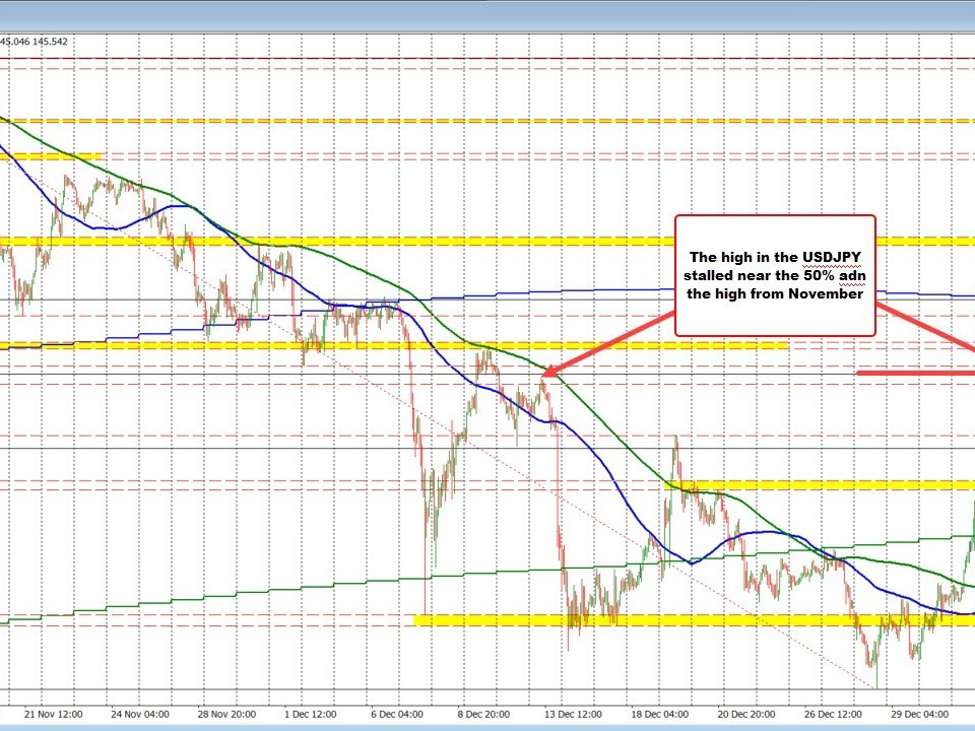
The U.S. dollar initially rose after a stronger-than-expected non-farm payroll report, but gains were tempered by downward revisions of previous months' data and a declining participation rate. Despite a solid unemployment rate of 3.7%, the market reassessed the strength of the jobs data, leading to a pullback in the dollar's value against other major currencies. The USDJPY retreated from near 146.00 levels, while the EURUSD and GBPUSD recovered from their post-report lows, with the EURUSD breaking above a key retracement level.
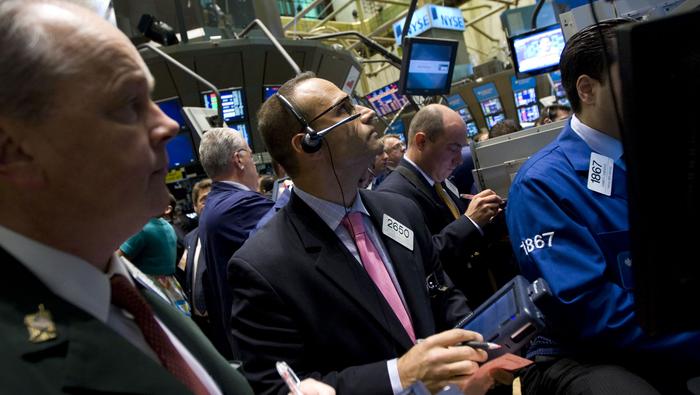
The upcoming U.S. December jobs report is anticipated to show an increase of 150,000 jobs, potentially influencing the Federal Reserve's monetary policy and impacting market volatility. A stronger labor market could lead to a delay in expected rate cuts, supporting the U.S. dollar and Treasury yields while potentially pressuring gold prices and stocks. Conversely, weaker job growth and wage moderation may prompt a more dovish Fed stance, possibly resulting in lower yields, a weaker dollar, and a rally in gold and risk assets. The report's outcome is crucial for investors as it could guide the Fed's next steps in terms of monetary policy.
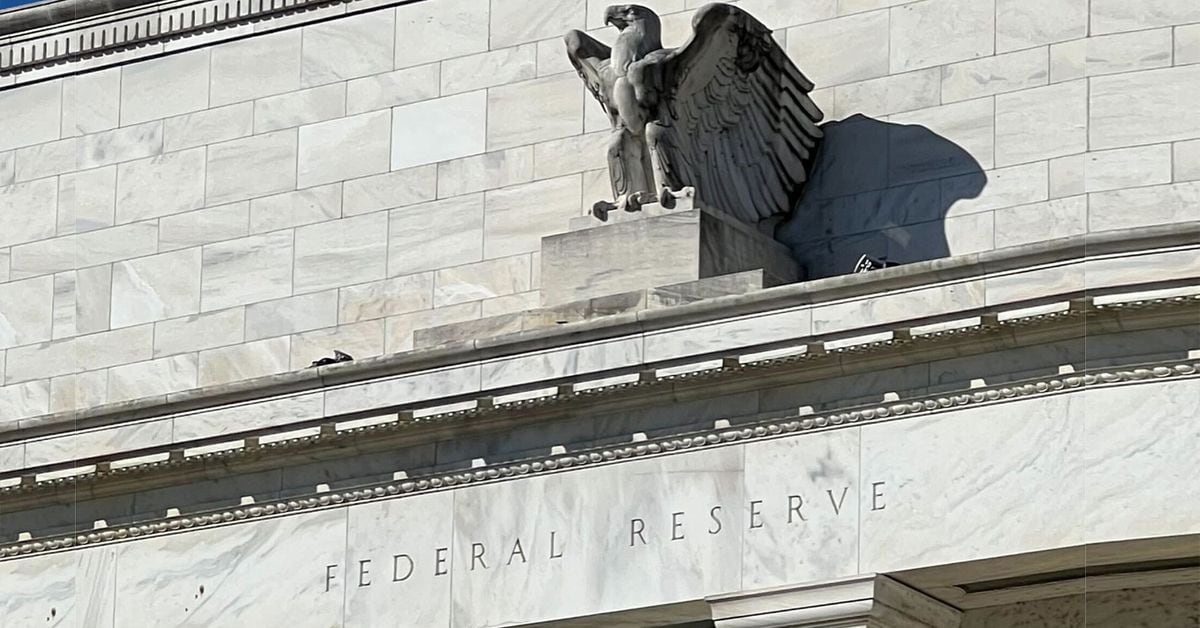
The Federal Reserve's December meeting minutes suggest potential interest rate cuts in 2024, which is typically seen as a bullish signal for Bitcoin. However, historical trends indicate that such rate cuts often precede economic recessions and a stronger U.S. dollar, which could lead to a decrease in risk appetite and negatively impact Bitcoin's value. Investment firm Piper Sandler notes that the Fed's pattern of maintaining high rates for too long could lead to a recession, and current market optimism may be overestimating the U.S. economy's resilience.
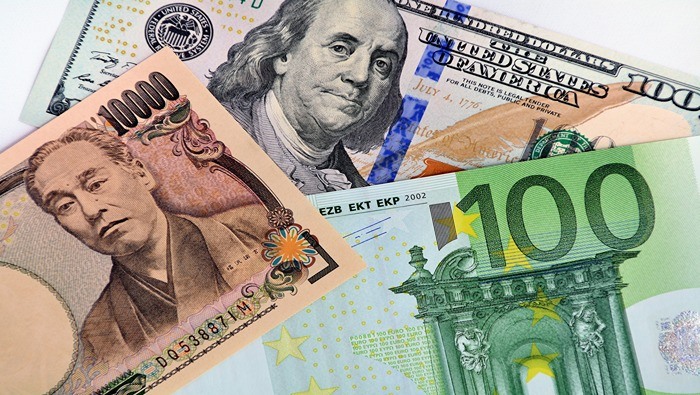
The U.S. dollar's recent gains were curtailed following the release of the Federal Reserve's minutes, which suggested a potential easing cycle ahead. The upcoming U.S. jobs report will be crucial for the dollar's trajectory, with strong job growth likely to bolster the currency, while a significant miss could weaken it. Technical analysis indicates potential movements for USD/JPY, EUR/USD, and gold prices, with key levels highlighted for each. Investors and traders are closely watching these indicators to gauge future market directions.