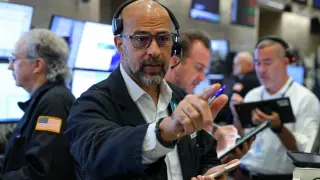
Stock futures rose after oil prices fell on optimism about a U.S.-Iran war resolution, with Dow, S&P 500, and Nasdaq futures higher ahead of Memorial Day markets; investors weighed strong earnings growth prospects against a rising chance of a July Federal Reserve rate hike.
Stocks edged higher as quantum-computing names led gains after the Commerce Department announced $2 billion in incentives under the CHIPS and Science Act. The Dow rose 364 points (0.7%), while the S&P 500 and Nasdaq gained about 0.6%. Notable moves included Merck’s China study-positive drug data, BJ’s Wholesale Club beating earnings, IMAX exploring a potential sale, and Lenovo rallying on strong AI-driven revenue. Premarket movers featured Booz Allen Hamilton and Generac higher, with Futu dropping on a China crackdown. Global markets were broadly higher, Asia in particular, as investors weighed inflation trends and Fed policy expectations, with Nordea signaling a likely rate hold for now.
Rising inflation has driven Treasury yields higher, pushing bond prices down and signaling the Federal Reserve may keep rates elevated; with the 30-year at about 5.19% and the 10-year around 4.69%, borrowing costs for mortgages and corporate borrowing could rise, even as some analysts see the sell-off as a measured response and possible buying opportunities in bonds and stocks.
Markets are increasingly pricing in a Federal Reserve rate hike by year-end as inflation readings and growth data influence policy bets, potentially pushing yields higher and weighing on equities as investors rebalance portfolios.
US consumer prices rose 3.8% year over year in April, the fastest since 2023, driven by surging energy costs tied to the Iran conflict; gas averages about $4.50 a gallon, with housing and groceries also lifting inflation, keeping Federal Reserve rate cuts unlikely this year.
Powell’s nine-word remark—“the center is moving toward a more neutral place”—signals a shift away from imminent rate cuts toward a neutral or hiking stance, underscored by a higher dissent rate at the April FOMC and inflation pressures resurfacing. With Powell leaving office May 15, markets face a less accommodative path and potential downside for already-priced equities as the earlier chant of multiple cuts fades.
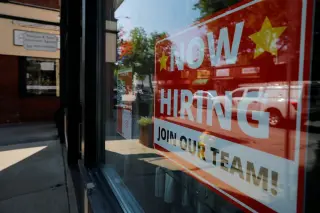
ADP reported private payrolls rose 109,000 in April, beating forecasts with gains concentrated in education and health services (61,000) and trade/transport/utilities (25,000); construction added 10,000. The report signals a steady labor market in a low-hire/low-fire environment and suggests limited impact on Fed rate expectations, ahead of Friday’s government payrolls release.
The US 30-year Treasury yield surged past 5% and neared an 18-year high as the Iran conflict fuels inflation fears, with yields climbing across the curve and markets pricing about a 37% chance of a Fed rate hike this year, highlighting how energy shocks and debt dynamics are affecting long‑term borrowing costs.
U.S. GDP rose 2% in Q1, a touch below economists’ forecasts, as consumer spending cooled and energy costs rose, while core inflation remained sticky at 3.2% year over year. The labor market stayed solid with unemployment at 4.3%, payrolls up 178,000, and initial claims at 189,000 — the lowest since 1969 — even as hiring cooled and continuing claims fell to 1.79 million. Stocks rallied on the growth signal as the Fed kept rates unchanged, weighing inflation against a still-robust jobs market.
The article flags a potential shift in U.S. monetary policy if Kevin Warsh replaces Jay Powell, signaling an end to forward guidance and the quarterly dot plot; Warsh would push for a smaller Fed balance sheet and view QE as fiscal policy, relying on rate policy to influence the economy. It also suggests adopting the trimmed-mean PCE as the inflation gauge could justify earlier rate cuts, affecting yield curves and volatility. However, funding-market stability may cap how much policy tools are changed.
Treasury Secretary Scott Bessent signaled the Fed should hold rates for now amid the Iran war’s fallout while noting rate cuts will be needed later; he urged letting new Fed chair Kevin Warsh set the path for the rest of the year, and suggested the administration wouldn’t object to Powell remaining in an acting capacity if Warsh isn’t confirmed in time. Trump has pressed for deeper cuts, but Warsh’s nomination advances in the Senate. Bessent also warned gas prices could stay elevated until the conflict ends, after which inflation should ease.
March PPI rose 0.5%—below the 1.1% consensus—driven mainly by energy costs (gasoline +15.7%, diesel +42%), while core PPI advanced only 0.1%. The all-items PPI climbed 4% year over year (core 3.8%), with services flat. The inflation signal remains mixed as energy pressures ease and guidance toward the Fed’s 2% target supports expectations for rates to stay on hold; markets showed little reaction to the data.
March existing-home sales fell to 3.98 million (down 3.6% MoM), the weakest since June, as average 30-year mortgage rates rose to about 6.37% amid Middle East tensions, leaving buyers feeling “frozen” and clouding hopes for a 2026 housing recovery as investors expect the Fed to keep rates elevated to curb inflation.
The upcoming March CPI is expected to show inflation around 3.3% annually, the highest since May 2024, driven by a surge in energy costs tied to the Iran war, with economists warning inflation could top 3% in March and exceed 4% by April, signaling ripple effects on groceries, travel, and borrowing costs as the Fed remains cautious on policy.
February core PCE rose 3% and headline inflation 2.8%, while consumer spending fell 0.1% and personal income rose 0.4%. GDP for Q4 was revised down to 0.5% growth (down from 0.7%), driven by weaker investment and lower real final sales. The report suggests stagflation pressures even before the Iran conflict boosts energy prices, with Fed officials expected to keep rates on hold as inflation remains above target.