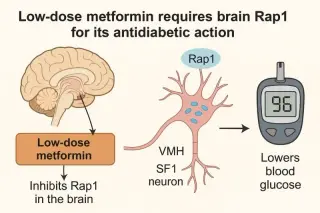
Scientists reveal metformin lowers blood sugar by acting in the brain, specifically by suppressing Rap1 in the ventromedial hypothalamus and activating SF1 neurons, with brain effects at far lower drug levels than previously thought, opening possibilities for brain-targeted diabetes therapies and potential brain-health benefits.
Sugar activates the brain’s reward system and comes as glucose or fructose, which are processed differently: glucose prompts insulin release and energy storage, while fructose is sent to the liver and can be converted to fat. In excess, both raise triglycerides and may raise heart- and liver-related risks; repeated insulin spikes can fuel inflammation. The so-called 'sugar rush' is largely a myth, and when a sugar-induced dip occurs, people tend to eat more later. Timing matters: morning glucose responses are usually more favorable, and having sugar as part of a balanced meal with fiber, healthy fats, and protein helps blunt spikes. Moderation is best; avoid late-day sugar and be cautious with sugar substitutes, which may impact the gut/oral microbiome and can, in some cases, convert to fructose. Given that many people regularly eat sugary snacks (about 84% daily, with 79% up to three), reducing intake is sensible rather than demonizing it.
Scientists at Van Andel Institute discovered that glucose not only provides energy for T cells but also helps them communicate internally and enhances their ability to fight cancer by building molecules called glycosphingolipids, which are crucial for T cell signaling and tumor destruction.
Many people consume excessive sugar, averaging 17 teaspoons daily, despite the recommended limit of 9 teaspoons. The article discusses five natural sweeteners that do not spike blood glucose levels, offering healthier alternatives to sugar.
A recent study published in The American Journal of Clinical Nutrition found that daily consumption of 4 g of cinnamon supplements significantly reduces blood glucose concentrations in obese and overweight prediabetic individuals. The study used a 12-week-long randomized, controlled, double-blind, crossover trial and highlighted the potential benefits of cinnamon and other polyphenol-rich spices in deterring chronic diseases and improving public health.
Researchers at University Hospitals Seidman Cancer have discovered that pancreatic cancer cells become more sensitive to chemotherapy in the presence of glucose, the simple form of sugar our cells use for fuel. This finding suggests that artificially raising glucose levels could make chemotherapy more effective in treating pancreatic cancer, a form of cancer that is notoriously resistant to chemotherapy drugs. The researchers theorize that high levels of sugar create conditions that make cancer cells vulnerable to attack and enhance the effectiveness of the body's immune defenses against the tumor. The lab's animal and cell culture research has shown promising results, and they are now preparing to test their hypothesis in humans through a clinical trial.
New research from Apple, in partnership with Beyond Type 1, reveals that physical activity, such as walking and exercise, can help adults maintain safer levels of glucose in their blood, reducing the risk of diabetes and heart disease. The study found that an increase in activity and steps strongly correlated with blood glucose levels in the target range for a greater percentage of the time. Additionally, preliminary findings from the Apple Women's Health Study suggest that different stages of the menstrual cycle can also impact blood glucose levels.
Normal blood sugar levels range from 70-99 mg/dL. Monitoring blood sugar is important for preventing complications, especially for those with diabetes. Blood sugar can be tested through various methods, including in-office tests like A1C, fasting plasma glucose, and oral glucose tolerance tests, as well as at-home testing using a blood sugar meter. High blood sugar (hyperglycemia) can be caused by factors such as stress, illness, or inadequate insulin use, while low blood sugar (hypoglycemia) can be caused by certain medications or alcohol consumption. It's important to seek medical attention and follow appropriate treatment measures for abnormal blood sugar levels to prevent complications.
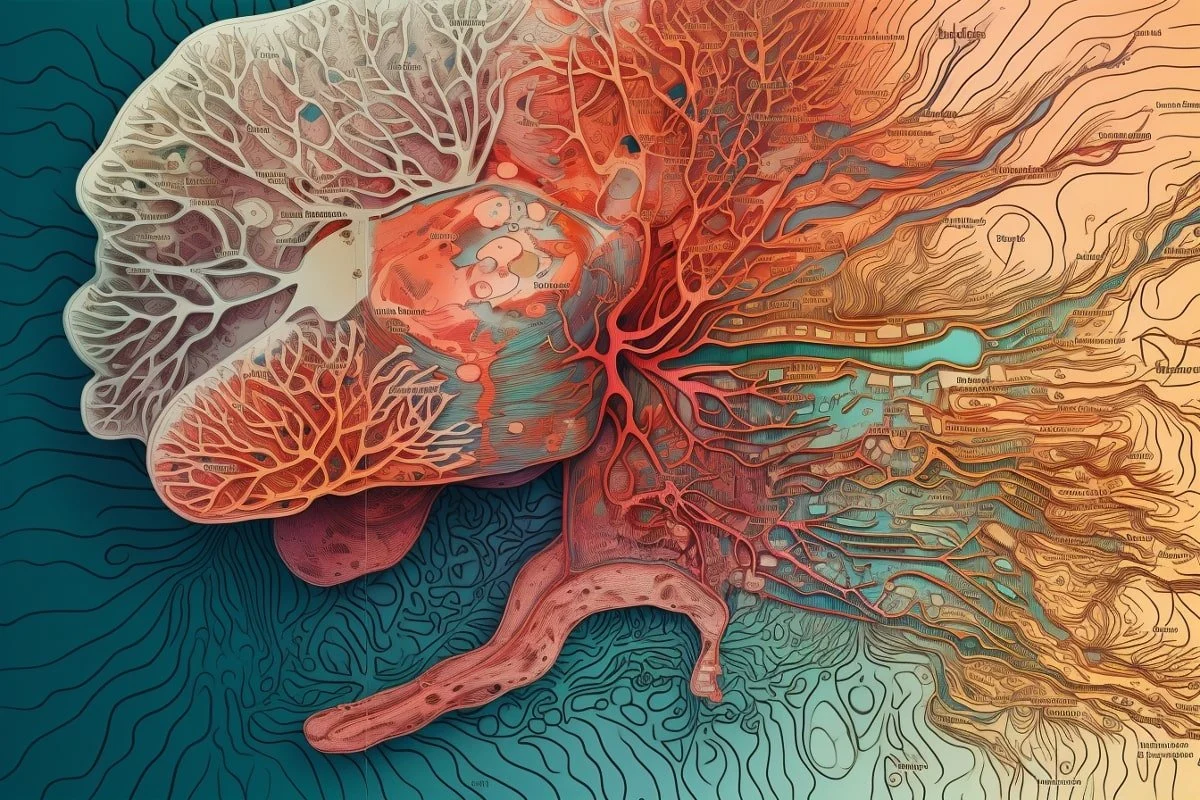
Researchers have identified and mapped glucose-sensitive cell populations in the brain, including the locus coeruleus, a region known for its role in arousal, attention, and stress response. This achievement may lead to more targeted treatments for diabetes. The discovery of these cell populations and their exact locations in the brain could potentially lead to more targeted treatments for conditions like diabetes.
French biochemist Jessie Inchauspé, known as the Glucose Goddess, believes that balancing blood sugar can lead to a healthier and happier life. In her new book, The Glucose Goddess Method, she shares science-backed hacks to regulate blood sugar, including having a savory breakfast, consuming vinegar before meals, adding a veggie starter to meals, and moving after eating. These methods do not require restrictive diets or expensive supplements and are based on ancestral wisdom. Inchauspé hopes to translate scientific papers into easy tips to help people improve their physical and mental health.
Biochemist and "Glucose Goddess" Jessie Inchausé explains how eating sweet and starchy foods for breakfast can lead to fluctuating blood sugar levels, causing fatigue, cravings, and inflammation. She recommends switching to a savoury breakfast with protein, healthy fats, and fibre to keep glucose levels steady and prevent mid-morning cravings. Inchausé also suggests moving for ten minutes after eating to help muscles soak up excess glucose and reduce spikes. Glycation caused by spiking glucose can accelerate ageing and cause wrinkles, joint inflammation, and organ damage.
The use of glucose in cockroach traps has led to some female cockroaches developing an aversion to the sugar, affecting their mating behavior. Male cockroaches have adapted by changing the composition of their "nuptial gift," including slashing the glucose content and shortening the courtship process. Glucose-averse males start mating almost twice as fast as other cockroaches. The study highlights the importance of understanding glucose aversion in cockroaches to develop new ways to control their numbers.
Researchers from ETH Zurich have developed an implantable fuel cell that generates electrical energy from excess glucose in the blood. The fuel cell is combined with artificial beta cells that produce insulin to regulate blood glucose levels. The system autonomously regulates insulin and blood glucose levels and could be used to treat diabetes in the future. The prototype has been successfully tested in mice, but bringing it to market would require an industry partner with the appropriate resources and know-how.