Tag

Absorption

All articles tagged with #absorption

Five fast hacks to boost pain-reliever relief
health25 days ago

Five fast hacks to boost pain-reliever relief

Five tricks to hasten OTC pain relief: choose faster-acting formulations (liquid-filled gels or dissolvables, or crush/IV under supervision); absorption is quicker on an empty stomach (with caution for stomach issues); drink water to help dissolution, and coffee's caffeine may boost absorption; plus, lying on the right side can speed delivery to the small intestine—though those with liver/kidney disease, ulcers, or heart issues should use pain relievers with care.

Optimal Timing for Everyday Supplements, According to Dr. Amir Khan
health-and-wellbeing1 month ago

Optimal Timing for Everyday Supplements, According to Dr. Amir Khan

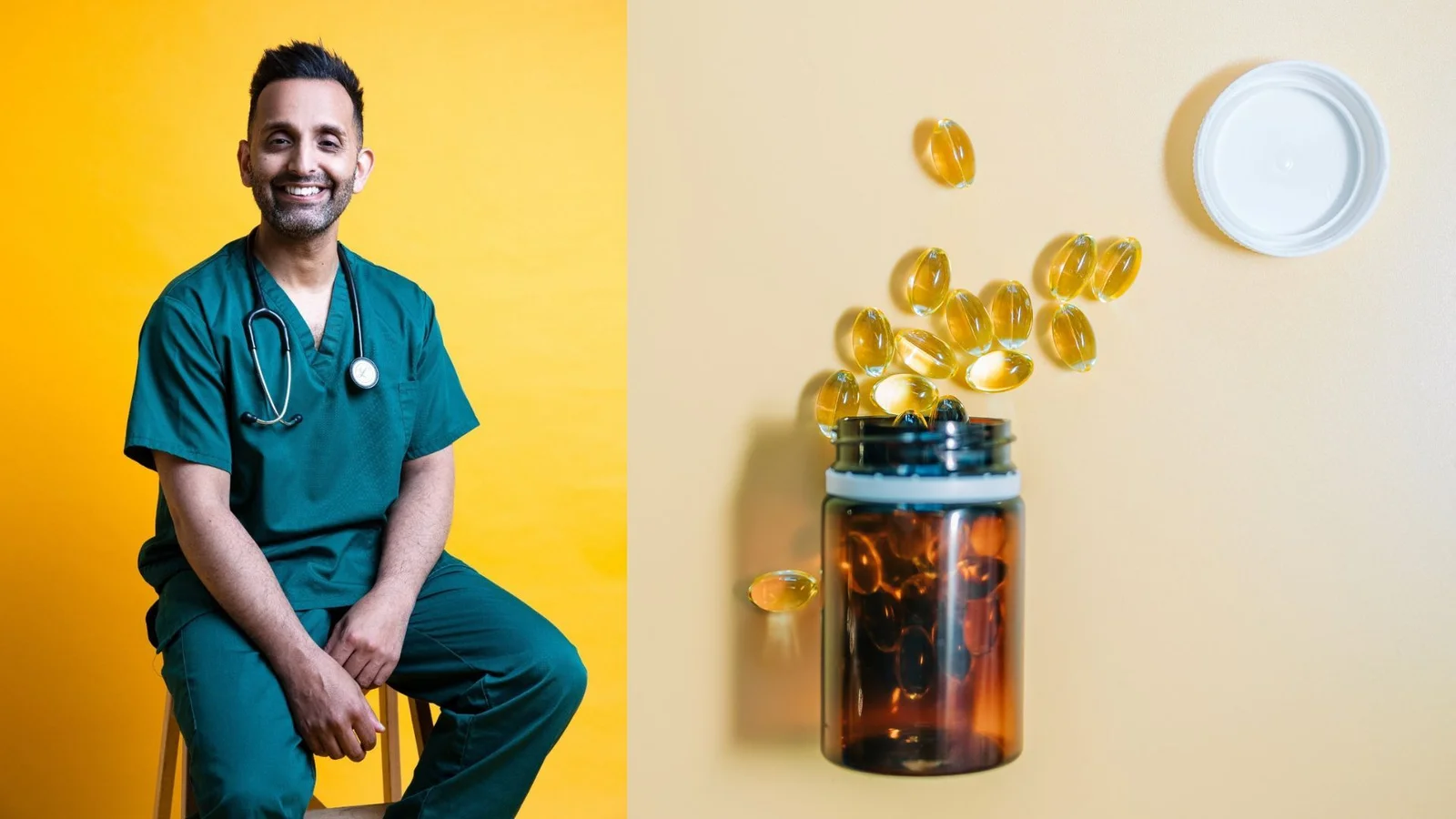
Dr. Amir Khan outlines a practical timetable to maximize supplement absorption: take iron first thing in the morning on an empty stomach with a splash of vitamin C (avoid taking it with tea, coffee, or magnesium); after breakfast, take fat‑soluble nutrients like vitamin D and omega‑3 with a meal; magnesium is best in the evening; creatine can be taken at any time; if you’re taking omega‑3 or a multivitamin, take them with food, and consult a doctor with any questions about your regimen.

Rethink Your Morning Vitamins: Iron, Magnesium, and Fat-Soluble Essentials
health2 months ago

Rethink Your Morning Vitamins: Iron, Magnesium, and Fat-Soluble Essentials

Dietitians say timing matters for vitamins. Iron is best absorbed on an empty stomach but can cause nausea, so take it with a snack away from coffee/tea and calcium-rich foods, ideally with fruit or orange juice to boost absorption. Magnesium can promote sleep, so evening or before-bed dosing is often best. Fat-soluble vitamins A, D, E, and K require dietary fat for optimal absorption and are typically better taken with a main meal (Lunch or Dinner). In short, pair each vitamin with the right timing and meal to maximize absorption and minimize side effects.

Pepper and Olive Oil: Tiny Tricks to Boost Your Nutrient Uptake
health2 months ago

Pepper and Olive Oil: Tiny Tricks to Boost Your Nutrient Uptake

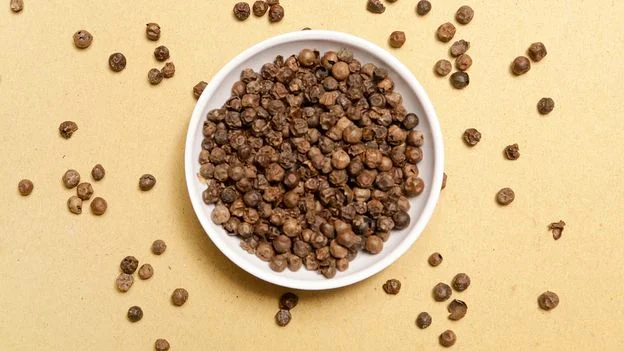
Adding black pepper and olive oil can boost how well your body absorbs nutrients. Pepper’s piperine may block intestinal transporters to raise uptake, while tiny fat droplets in olive oil help fat-soluble vitamins (A, D, E, K) dissolve and enter the bloodstream; olive-oil–based nano-delivery research and dressings can further improve carotenoid absorption. Practical takeaway: pairing nutrient-rich foods with a little fat (and pepper) could enhance absorption, though a balanced diet remains key and some individuals may benefit from targeted supplements.

Understanding Magnesium: Benefits, Signs of Deficiency, and Top Food Sources
health6 months ago

Understanding Magnesium: Benefits, Signs of Deficiency, and Top Food Sources

Magnesium is a vital mineral involved in over 300 bodily processes, but its benefits are subtle and depend on factors like diet, absorption, and health conditions. Many people don't see immediate effects from supplements because magnesium works gradually and quietly, not like stimulants, requiring consistent use and supporting factors for noticeable benefits.

Dietitians Caution Against Mixing Certain Vitamins with Coffee
health8 months ago

Dietitians Caution Against Mixing Certain Vitamins with Coffee

Consuming certain vitamins like iron, vitamin D, B vitamins, and calcium with coffee can hinder their absorption due to compounds like polyphenols and tannins. Experts recommend waiting at least an hour after drinking coffee before taking these supplements and limiting coffee intake to two cups daily to optimize nutrient absorption. Alternative strategies include eating nutrient-rich foods, staying hydrated, and scheduling supplement intake appropriately to maintain optimal health.

Experts Recommend Optimal Time for Vitamin Intake
health-and-wellness9 months ago

Experts Recommend Optimal Time for Vitamin Intake

The best time to take vitamins depends on their type: water-soluble vitamins like B and C are best taken on an empty stomach or with food, while fat-soluble vitamins A, D, E, and K should be taken with meals containing healthy fats for optimal absorption. Timing can also be influenced by the vitamin's effects, such as taking B12 in the morning for energy or magnesium in the evening for relaxation. Consistency and proper pairing with food are key, and consulting a healthcare professional is recommended before making changes to supplement routines.

Optimal Timing for Blueberry Consumption to Boost Antioxidant Intake
health-and-nutrition9 months ago

Optimal Timing for Blueberry Consumption to Boost Antioxidant Intake

Eating blueberries regularly is more important than the specific time of day for antioxidant absorption. Pairing blueberries with healthy fats or protein can enhance their benefits, and consuming them consistently, whether with breakfast, as a snack, or dessert, maximizes their health benefits. Experts recommend fresh or frozen blueberries and suggest various ways to incorporate them into your diet for optimal health.

health-and-wellness10 months ago

Expert Tips on the Best Foods and Supplements for Strong Bones

To maximize calcium supplement absorption, take calcium citrate, lactate, or gluconate with or without food, especially meals containing vitamin D and healthy fats, and space doses throughout the day. Avoid high-oxalate and high-phytate foods around supplement times, and consult a healthcare provider if on medications that interfere with calcium absorption.

Optimal Timing for CoQ10 Absorption, Experts Say
health-and-wellness10 months ago

Optimal Timing for CoQ10 Absorption, Experts Say

For optimal absorption, take CoQ10 supplements with a meal containing healthy fats, preferably earlier in the day to avoid sleep disturbances. Splitting doses, choosing oil-based soft gels, and pairing with vitamin C or selenium can enhance effectiveness. Always consult a healthcare professional before starting new supplements, especially if on medication or during pregnancy.

health10 months ago

Optimal Timing and Use of Vitamin D for Health and Pregnancy

The best time to take vitamin D is when it fits into your routine, as it doesn't matter whether you take it in the morning or evening, but it should be taken with a meal containing healthy fats to enhance absorption. Factors like health conditions, personal preference, and type of vitamin D (D2 or D3) should be considered, with D3 being more bioavailable. Consistency and taking it with food are key for maximizing benefits.