
Mortgage rates breach 7%, triggering sharp drop in US homebuyer demand
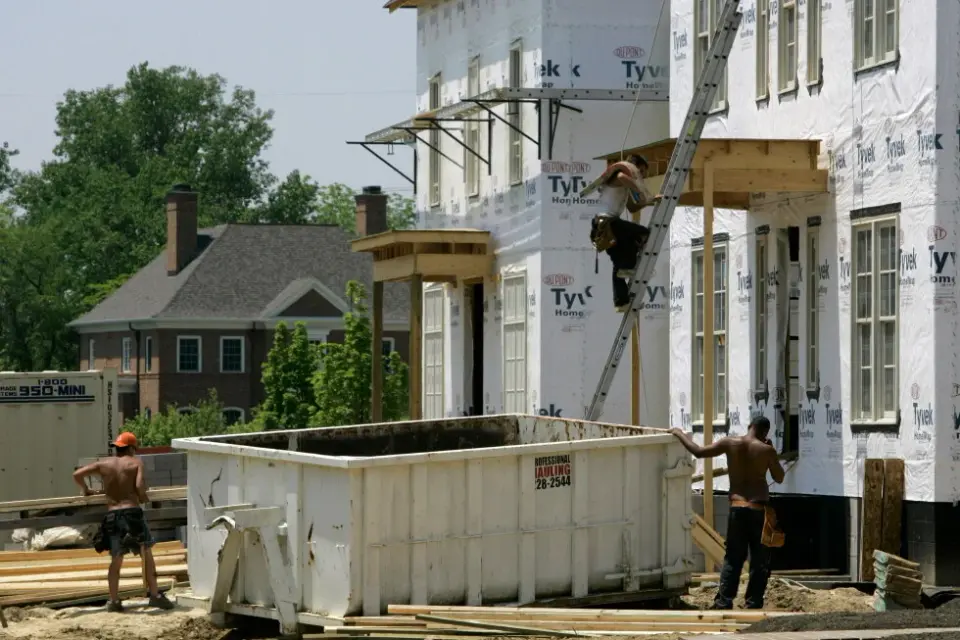
The 30-year fixed mortgage rate has surged past 7%, reaching a nearly two-year high and significantly reducing homebuyer purchasing power. This spike, driven by inflation concerns and Federal Reserve policy expectations, has caused mortgage application volumes to fall sharply. While higher rates are cooling the market, some experts argue this may reduce competition for remaining buyers, though affordability remains constrained by rising property taxes and insurance costs.
Key points
- The average 30-year fixed mortgage rate reached 7.22% recently, up from 6.97% the previous week, marking the most abrupt jump since October 2024.
- Mortgage Bankers Association data shows total application volume dropped 4.1% week-over-week, with purchase applications down 19% year-over-year and refinancing applications down 65%.
- Rising rates are attributed to spiking energy prices, persistent inflation, and expectations of Federal Reserve interest rate hikes.
- Local experts in North Texas note that while higher rates reduce affordability, they may also decrease buyer competition, creating opportunities for those who remain in the market.
- Affordability is further strained by surging property taxes and homeowners insurance costs, which some experts say have a greater impact than interest rates alone.
Background
This development follows a period of cooling housing activity, with existing-home sales falling in July 2026 and buyer counts reaching historic lows. Previous reports indicated a seller-heavy market in many areas, but rising rates are now shifting leverage back toward buyers in some regions as demand cools.
How outlets are covering it
AP News emphasizes the broad impact of rising rates on purchasing power and the uncertainty surrounding future Federal Reserve moves. CNBC highlights the statistical decline in mortgage applications, noting that rates have risen nearly a full percentage point year-over-year. NBC DFW offers a regional perspective, suggesting that while rates are a headwind, they may reduce competition, and that property taxes and insurance are even larger affordability hurdles. The outlets agree on the rate spike but differ on whether the outcome is purely negative or creates niche opportunities for remaining buyers.
Why it matters
The rise in mortgage rates directly impacts household budgets and housing market stability. A sustained high-rate environment could lead to further declines in home sales and refinancing activity, potentially slowing economic growth. For consumers, it signals a shift in affordability dynamics, requiring careful consideration of total ownership costs beyond just the interest rate.
What to watch
Market participants are watching the Federal Reserve's upcoming meeting for signals on interest rate policy. If rates remain high or rise further, mortgage demand may continue to decline. Conversely, if inflation cools and the Fed pauses hikes, rates could stabilize, potentially reviving some buyer activity. The long-term impact will depend on the balance between rate levels, home prices, and other cost-of-living factors.
- Struggling US home buyers, and market, face new hurdles as mortgage rates near 7% AP News
- The Stagnant Housing Market Is About to Face a 7% Mortgage WSJ
- U.S. home buyers face new hurdles as mortgage rates near 7% KTLA
- Mortgage demand from homebuyers drops 19% from a year ago, as interest rates surge abruptly higher CNBC
- Mortgage rates climb above 7%. What it means for North Texas homebuyers nbcdfw.com
Want the full story? Read the original reporting
Read on AP News