
Mortgage rates breach 7% as inflation and Fed hikes squeeze buyers
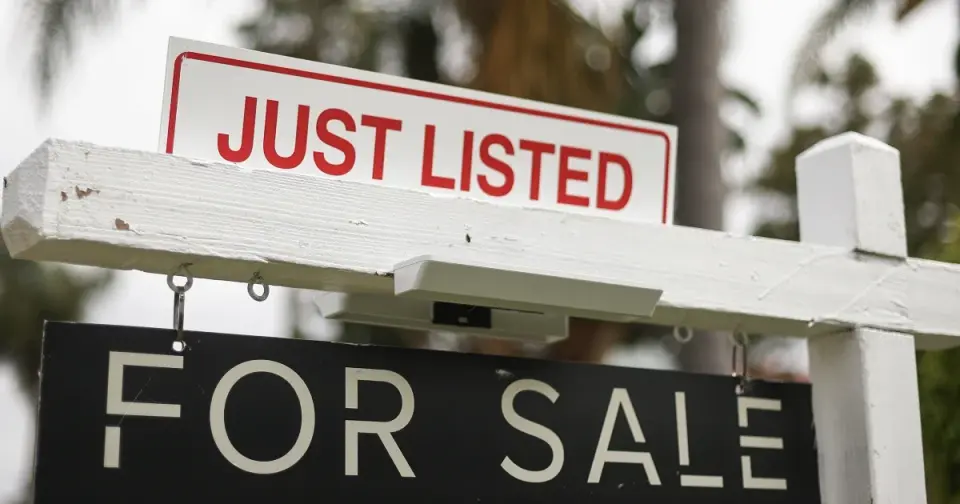
U.S. 30-year mortgage rates have surged to 7.2%, their highest level in 18 months, driven by rising oil prices, inflation fears, and a Federal Reserve rate hike. Combined with record-high home prices near $429,100, this is delaying purchases and pushing first-time buyers to older ages. While inventory has reached a decade-high, pending sales have fallen as buyers wait for rates to drop.
Key points
- The average 30-year fixed mortgage rate reached 7.2% this week, up from 5.99% in late February, marking the highest level in 18 months.
- The 10-year Treasury yield breached 5% for the first time since 2023, driven by soaring oil prices and inflation expectations following the U.S.-Iran conflict in late February.
- The Federal Reserve raised its key interest rate this week to combat inflation and signaled potential further hikes, which analysts say will keep mortgage rates above 7%.
- The median U.S. home price remains near record highs at $429,100, while pending home sales fell 4.7% year-over-year due to affordability concerns.
- Inventory has improved to 1.62 million unsold homes (4.9 months' supply), the highest in over a decade, but this has not yet offset the impact of higher borrowing costs.
- The median age of first-time homebuyers has risen to 40, an all-time high, while 25.2 million adults under 35 are living with their parents, a record number.
Background
In August, existing-home sales slowed to a 3.98 million annualized rate, the slowest pace in over a year, as rates hovered around 6.6%-6.7%. Prior to the current surge, rates had briefly dipped in early 2026 before climbing again. The current spike follows a period where rates had stabilized, but the recent geopolitical tensions and monetary policy shifts have reversed that trend, exacerbating the affordability crisis noted in earlier months.
How outlets are covering it
NBC News emphasizes the psychological stress on buyers, citing personal anecdotes of couples delaying purchases due to uncertainty. AP News and Florida Realtors focus on the mechanical drivers, specifically the link between oil prices, the 10-year Treasury yield, and the Federal Reserve's recent rate hike. While NBC highlights the 'shifting landscape' as a barrier to family planning, AP and Florida Realtors frame the situation as a direct result of inflationary pressures and bond market dynamics. All sources agree that rates are at multi-year highs, but NBC places more weight on the human impact, whereas AP and Florida Realtors emphasize the economic indicators and future trajectory of rates remaining above 7%.
Why it matters
Sustained high mortgage rates combined with record home prices are fundamentally altering the U.S. housing market, pushing homeownership out of reach for millions. This trend is delaying family formation, increasing the number of young adults living with parents, and potentially slowing economic growth through reduced consumer spending and construction activity. If rates remain elevated, the gap between renters and owners may widen, affecting long-term wealth accumulation and community stability.
What to watch
The Federal Reserve has signaled it may raise rates again this year, which could push mortgage rates higher or keep them stuck above 7%. Buyers are likely to remain on the sidelines until rates decline or prices adjust. If inflation persists, the Fed may maintain a restrictive policy, prolonging the current affordability crisis. Conversely, if oil prices stabilize and inflation cools, rates could eventually ease, but for now, the market is in a state of high-cost equilibrium.
- Soaring mortgage rates and high prices are putting homeownership further out of reach NBC News
- US mortgage rates brush 7%, weighing on buyers, sellers and further straining a bleak housing market AP News
- The Stagnant Housing Market Is About to Face a 7% Mortgage WSJ
- Mortgage rates rise to highest level since January 2025 | Florida Realtors
- Mortgage rates reach new high kare11.com
Want the full story? Read the original reporting
Read on NBC News