
Wistar Institute Study Links Fructose Release to Ovarian Cancer Metastasis
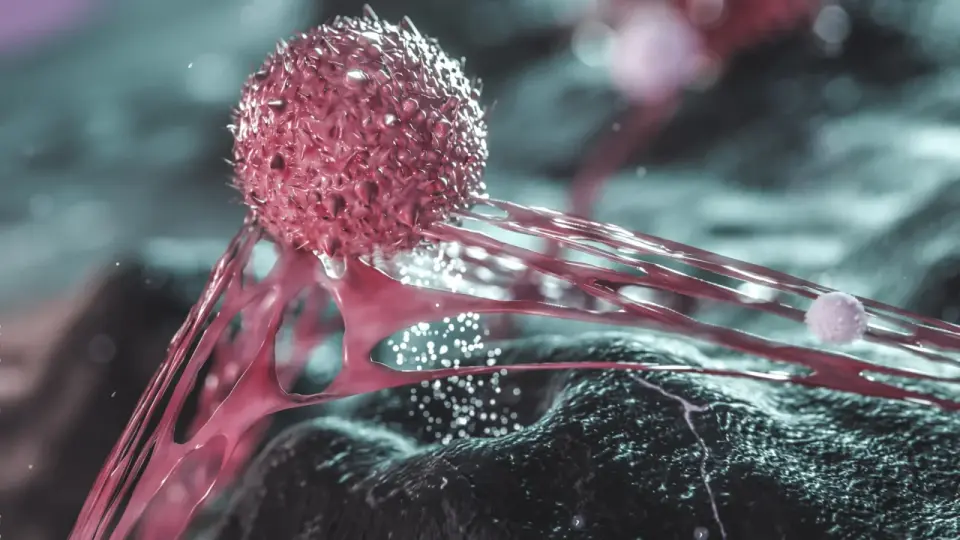
Researchers at The Wistar Institute have identified a new mechanism by which fructose, a common sugar, may facilitate the spread of aggressive ovarian cancer. Published in Nature Aging, the study reveals that cancer cells surviving chemotherapy release fructose, which acts as a chemical signal to weaken the bonds holding neighboring tumor cells together. This weakening allows cancer cells to detach and metastasize. The findings also suggest that high dietary fructose intake and the use of cholesterol-lowering statins may inadvertently promote this spread, raising questions about the interaction between diet, medication, and cancer progression.
Key points
- Cancer cells surviving platinum-based chemotherapy continue to release fructose, which signals neighboring cells to break free and spread.
- Fructose suppresses cholesterol production in cancer cells, weakening the cell membrane connections that normally hold tumor cells together.
- Preclinical experiments showed that high fructose consumption and statin use could promote cancer cell detachment, even without chemotherapy.
- The study suggests this mechanism may apply to other abdominal cancers, including pancreatic, colon, and liver cancer, though further research is needed.
- Researchers emphasize that these findings are preclinical and do not currently warrant changes to statin prescriptions or specific dietary restrictions for patients.
Background
This research builds on earlier findings regarding how cancer cells survive and resist treatment. For instance, in October 2024, researchers identified how ovarian cancer tumors manipulate their environment to resist immunotherapy, highlighting the complex biological interactions within tumors. Additionally, in October 2026, Weizmann Institute scientists identified the MTCH2 protein as a key switch for cellular energy metabolism, suggesting that altering how cells process energy could impact disease outcomes. While these studies focus on different mechanisms, they collectively underscore the importance of understanding cellular metabolism and signaling in cancer progression and treatment resistance.
Why it matters
The discovery of fructose as a signal for cancer metastasis provides a new avenue for understanding how cancer spreads after chemotherapy. It highlights the potential impact of dietary choices and common medications like statins on cancer progression. While the findings are preclinical, they could lead to new strategies for preventing metastasis and improving cancer treatment outcomes. Understanding the role of nutrients and cholesterol in cancer cell behavior may eventually inform nutritional strategies and medication combinations for patients with ovarian and other abdominal cancers.
What to watch
Researchers at The Wistar Institute are designing additional experiments to determine if the fructose-cholesterol mechanism applies to other cancers, such as pancreatic, colon, and liver cancer. They are also investigating whether the combination of statins and chemotherapy affects cancer outcomes in patients. Further studies are needed to confirm these findings in human patients and to determine if reducing fructose consumption or adjusting statin use could improve cancer treatment outcomes.
Want the full story? Read the original reporting
Read on Science Daily