Tag

Thwaites Glacier

All articles tagged with #thwaites glacier

Lost Antarctic Sub to Return with Ran II for New Ice‑Shelf Discoveries
science18 days ago

Lost Antarctic Sub to Return with Ran II for New Ice‑Shelf Discoveries

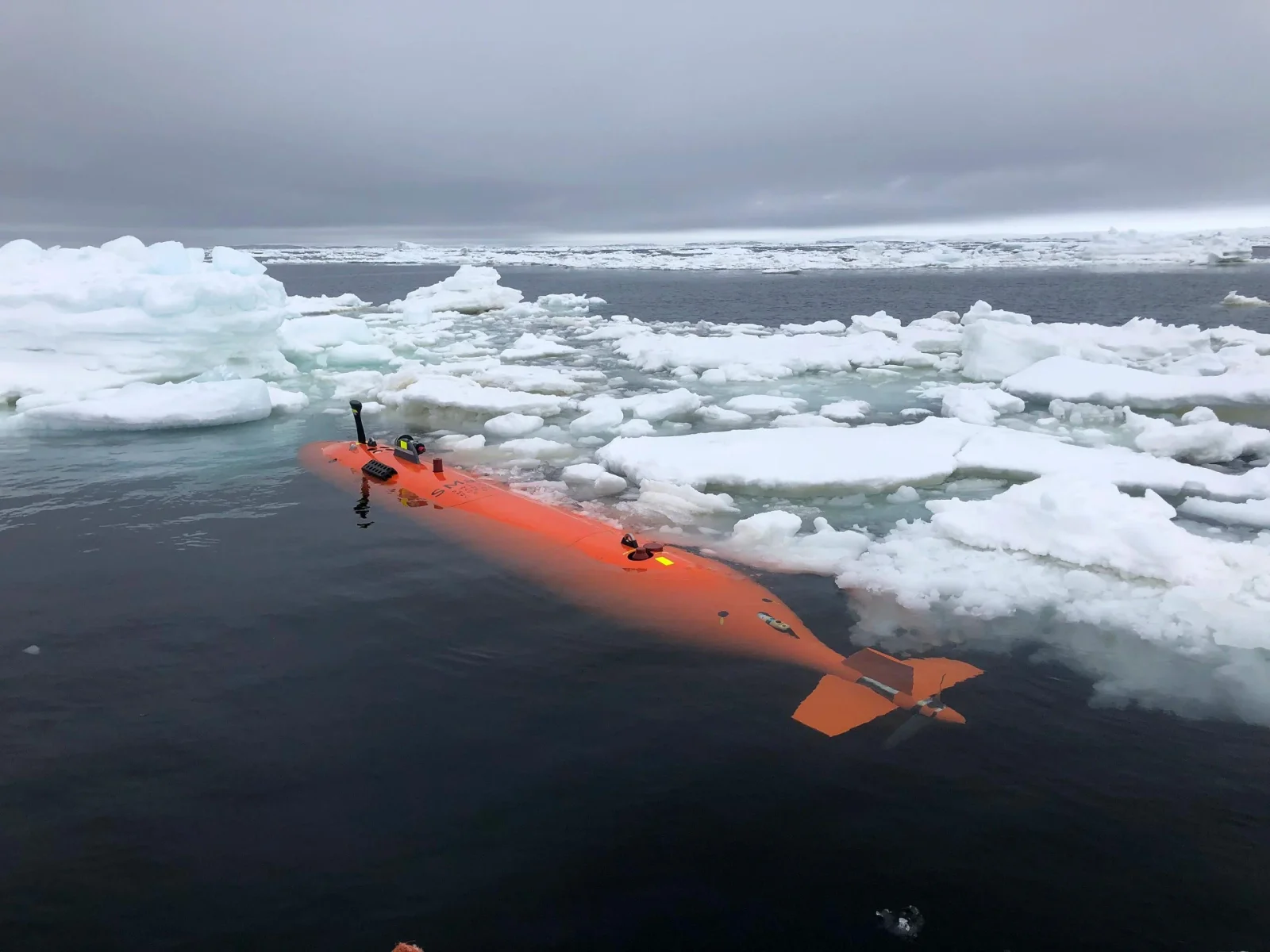
A pioneering autonomous submarine, Ran, vanished beneath Antarctic ice in January 2024 after mapping under Thwaites and other shelves. Its successor, Ran II, funded by the Voice of the Ocean Foundation and insurance, is due in winter 2026/2027 and will feature improved navigation and decision-making to continue exploring the hidden underside of ice shelves. Ran’s missions revealed a complex, dunes‑like ice base and nonuniform melting driven by ocean currents, prompting updated models of ice loss and sea‑level rise. The program will also support Baltic Sea research through a Gothenburg–VOTO partnership, leveraging AI and next‑gen AUVs for faster analysis of vast data sets.

Antarctic Submersible Maps Hidden Ice, Then Vanishes Beneath Dotson Shelf
science22 days ago

Antarctic Submersible Maps Hidden Ice, Then Vanishes Beneath Dotson Shelf

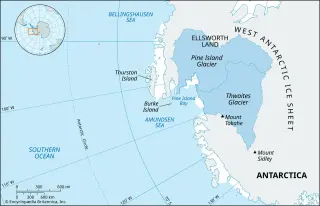
An international team used a 20-foot autonomous underwater vehicle named Ran to map the underside of the Dotson Ice Shelf in West Antarctica, revealing complex melt patterns that differ between the western and eastern portions and are influenced by underwater currents; Ran disappeared on a 2024 mission after collecting data, likely due to running aground or being lost to wildlife, prompting plans to replace it and continue this important research, with findings published in Science Advances.

Thwaites Glacier Could Lift Global Seas, Redrawing Coastal Maps
environment25 days ago

Thwaites Glacier Could Lift Global Seas, Redrawing Coastal Maps

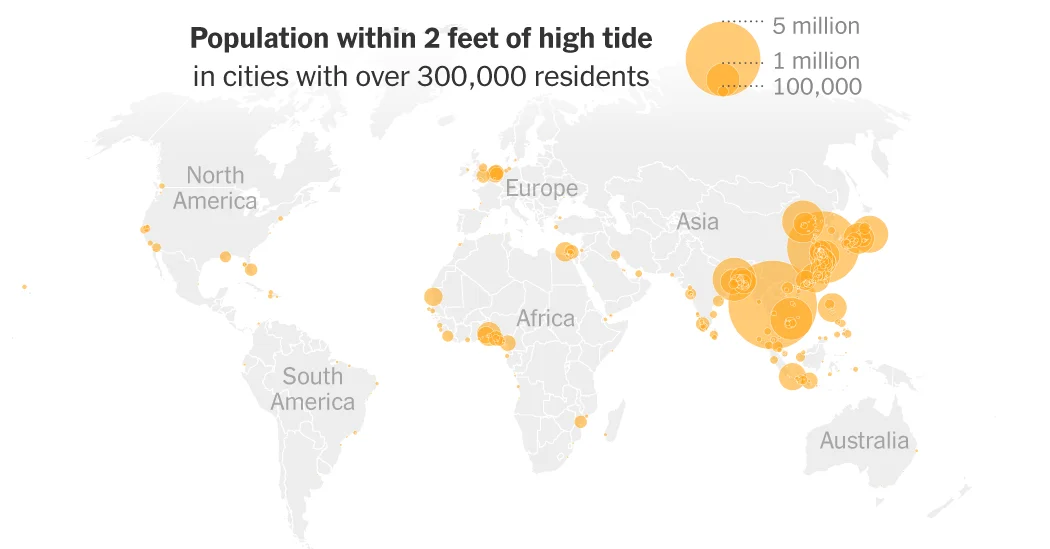
Scientists warn that Antarctica's Thwaites Glacier could collapse, lifting global sea levels by about two feet over decades and threatening tens of millions in low-lying coastal areas. A New York Times analysis maps at-risk cities—especially in Asia—while noting that Thwaites acts as a plug for nearby ice on land, meaning its loss could unleash a broader rise. Defending cities would be costly, and policy choices and climate research funding will shape how communities prepare for the coming surge.

Thwaites Glacier could shed 200 gigatonnes of ice annually by 2067, raising sea levels and fueling collapse fears
science26 days ago

Thwaites Glacier could shed 200 gigatonnes of ice annually by 2067, raising sea levels and fueling collapse fears

Scientists warn that Antarctica’s Thwaites Glacier could lose about 200 gigatonnes of ice per year by 2067, potentially adding around 0.5 mm to global sea‑level rise annually and accelerating toward collapse. The findings, based on satellite‑calibrated ice‑sheet models, show that melting is five times faster than in the 1990s and concentrates in deep bedrock valleys inland. While a total collapse isn’t considered imminent, the study suggests a rapid retreat could occur within a couple of centuries under current emissions, with significant delay possible if greenhouse gas emissions are cut.

Drilling Into Antarctica’s Doomsday Glacier Ends in Setback but Yields Key Data
science2 months ago

Drilling Into Antarctica’s Doomsday Glacier Ends in Setback but Yields Key Data

Scientists drilling into Thwaites Glacier with a hot-water borehole faced their instruments getting stuck about three-quarters of the way down and had to abandon the deployment, but the data recovered reveal warm, turbulent waters beneath the ice driving sub-ice melt. The findings improve understanding of the glacier’s instability, and researchers plan to return to continue studying it, given its potential to raise global sea levels by about 65 cm if it destabilizes.

Antarctica’s Thwaites Drill Ends in Time Crunch, Not triumph
science2 months ago

Antarctica’s Thwaites Drill Ends in Time Crunch, Not triumph

British and South Korean scientists’ ambitious drill under Thwaites Glacier collapsed at the final step when the borehole refroze and entombed the instruments, forcing an abrupt end to a mission intended to install long‑term tidal‑water sensors. Earlier attempts did yield some preliminary measurements from beneath the glacier, revealing warm, turbulent waters that fuel its melt, but time and bad conditions prevented deployment of the moored instruments and completion of the study.

Scientists Camp on Thwaites Glacier to Drill Into the Ocean Below
science2 months ago

Scientists Camp on Thwaites Glacier to Drill Into the Ocean Below

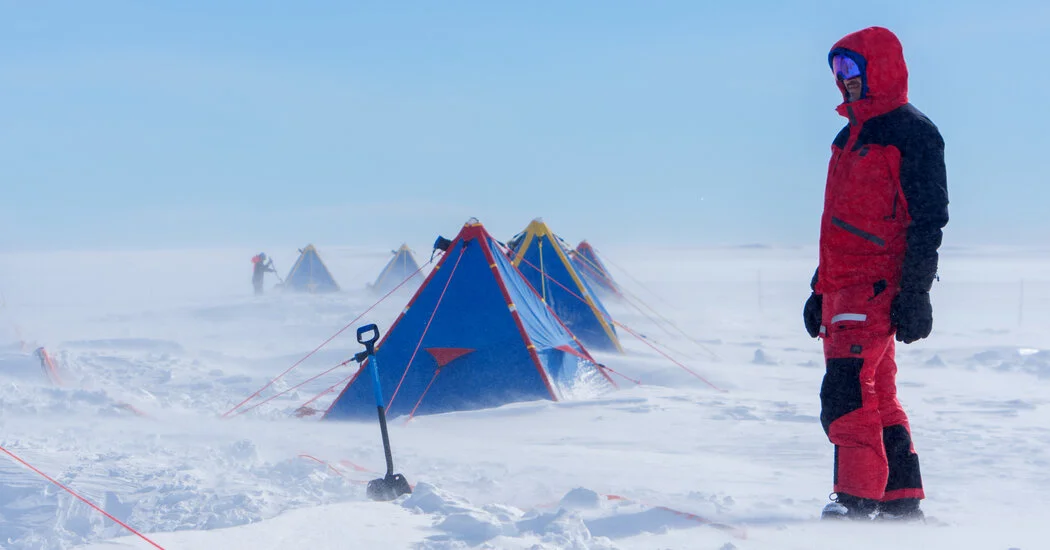
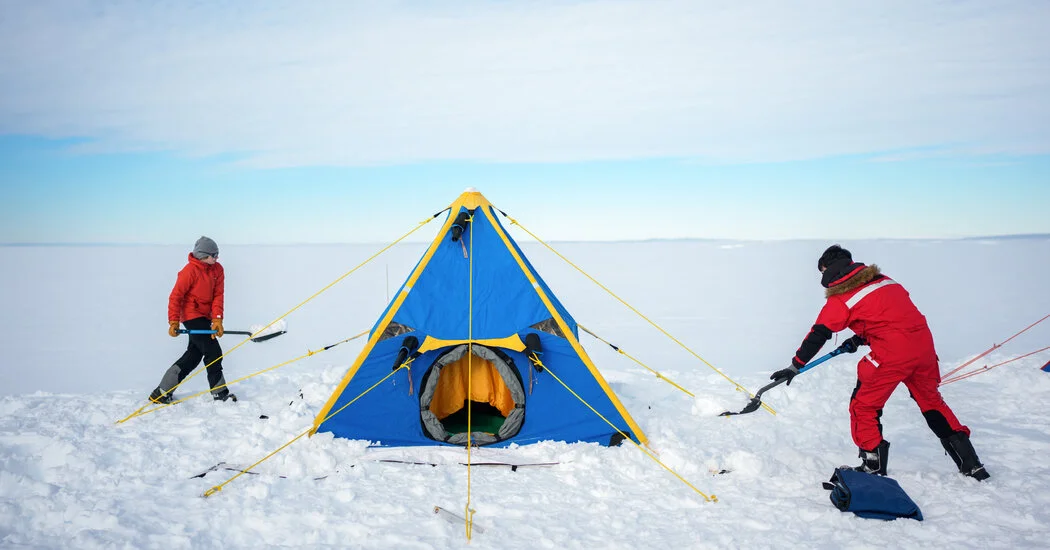
British and South Korean researchers camping on Thwaites Glacier aimed to begin a multi-day drill to lower instruments through half-mile ice into the ocean below, to study how bottom-up melting drives sea-level rise; fierce winds and heavy snow threaten equipment and could delay a mission that follows an eight-week voyage of the icebreaker Araon.

Field Camp on Thwaites Glacier Launches Critical Ice‑Ocean Study
science2 months ago

Field Camp on Thwaites Glacier Launches Critical Ice‑Ocean Study

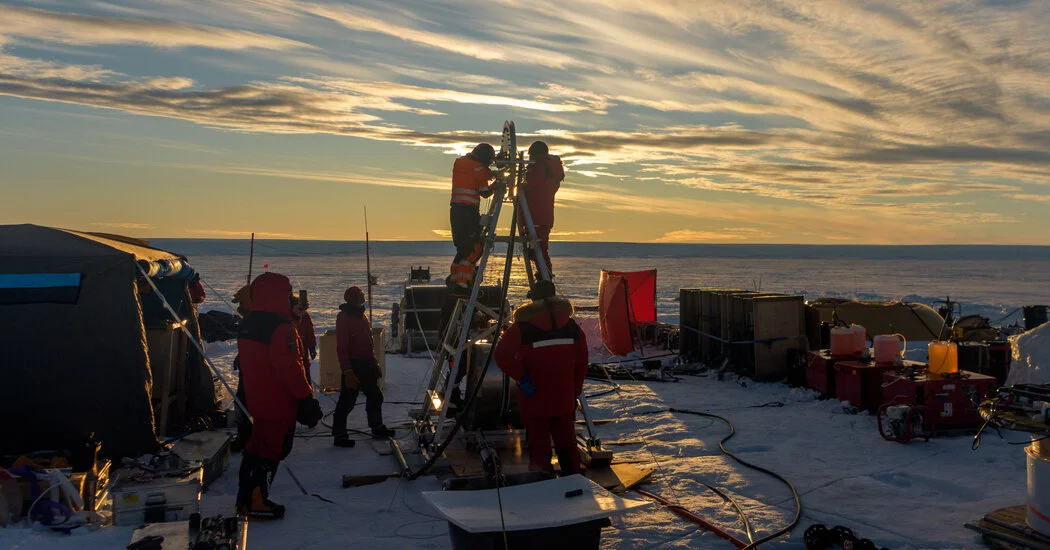
Weather delays finally allowed scientists to set up a field camp on Antarctica's fast-melting Thwaites Glacier. Over the coming weeks they will bore about half a mile into the ice to deploy instruments in the warming ocean beneath, seeking to understand how seawater is eroding the glacier and what its collapse could mean for global sea levels. The temporary camp includes ten single-occupancy tents, a science tent and two toilet tents after helicopter landings were previously blocked by clouds.

Antarctic Ice Shelf Teeters Toward Collapse, Hinting at Record Sea-Level Rise
science2 months ago

Antarctic Ice Shelf Teeters Toward Collapse, Hinting at Record Sea-Level Rise

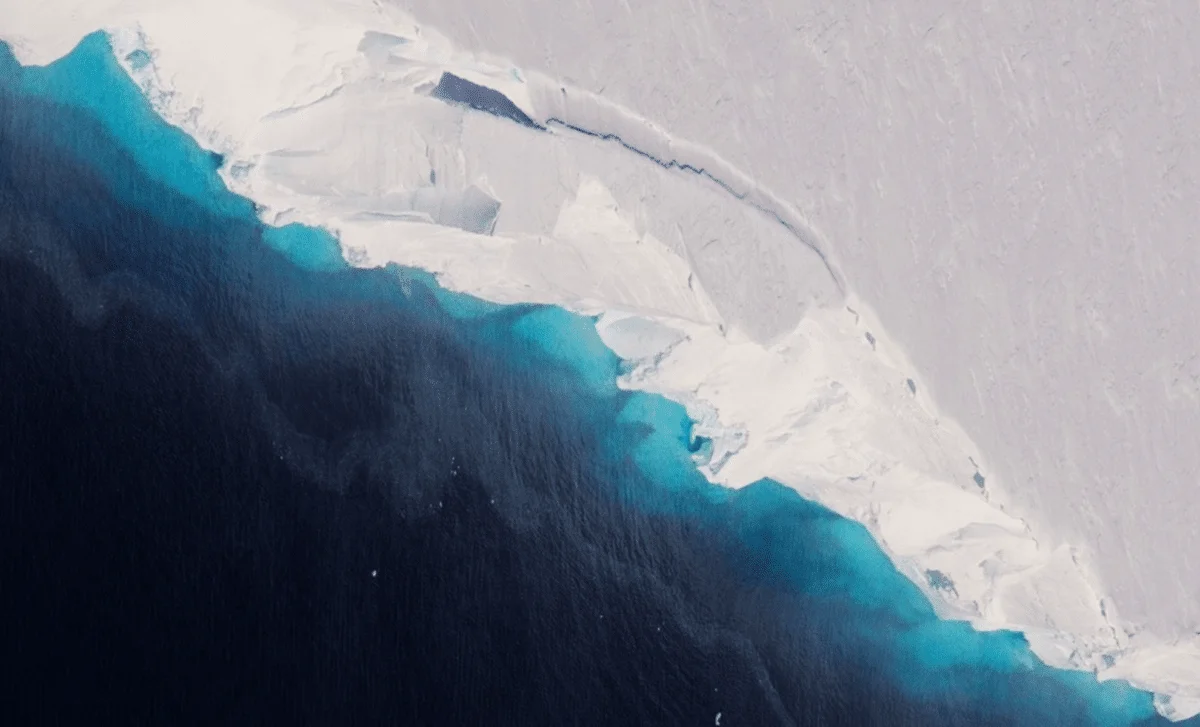
A new study finds cracks in Antarctica’s Thwaites Eastern Ice Shelf have weakened its structure, with fracturing progressing in two phases over two decades. If the shelf collapses, global sea levels could rise by about 65 centimeters (roughly 2 feet) as the ice retreats at a rapid pace for decades. The Arctic is warming about three times faster than the global average, driving significant ice loss and shrinking sea ice, which NASA and other agencies have monitored for years. The report underscores the need for reducing pollution and changing human behavior to slow Arctic melt and mitigate future sea‑level rise.

Drilling Into Thwaites: Charting Antarctica’s Fastest-Melting Glacier
science2 months ago

Drilling Into Thwaites: Charting Antarctica’s Fastest-Melting Glacier

A New York Times climate feature follows a 10-person expedition aboard the icebreaker Araon as scientists drill into Thwaites Glacier to install sensors and measure how fast it’s melting, battling challenging weather while assessing how soon the glacier could collapse and raise sea levels. The report sits alongside coverage of EPA’s revised approach to cost-benefit analyses for pollution, and data showing U.S. greenhouse gas emissions rose 2.4% last year due to more coal use and colder weather, all within ongoing climate-policy debates.

Weather Windows Drive Race to Drill Thwaites Glacier
science2 months ago

Weather Windows Drive Race to Drill Thwaites Glacier

A 10-person team aboard the icebreaker Araon is attempting to drill into Thwaites Glacier to install instruments in the warming seawater beneath, aiming to gauge melt and potential sea-level rise. Repeated weather changes and low visibility have repeatedly halted helicopter flights and delayed operations, with the crew surveying for a safe drilling site and even considering overnight camping on the ice. The team plans to push forward for about a week to seize any favorable window before the ship must depart, hoping to finish before February 10.