
Thwaites Glacier Melting Rate Doubled by New Model, Threatening Coastal Cities
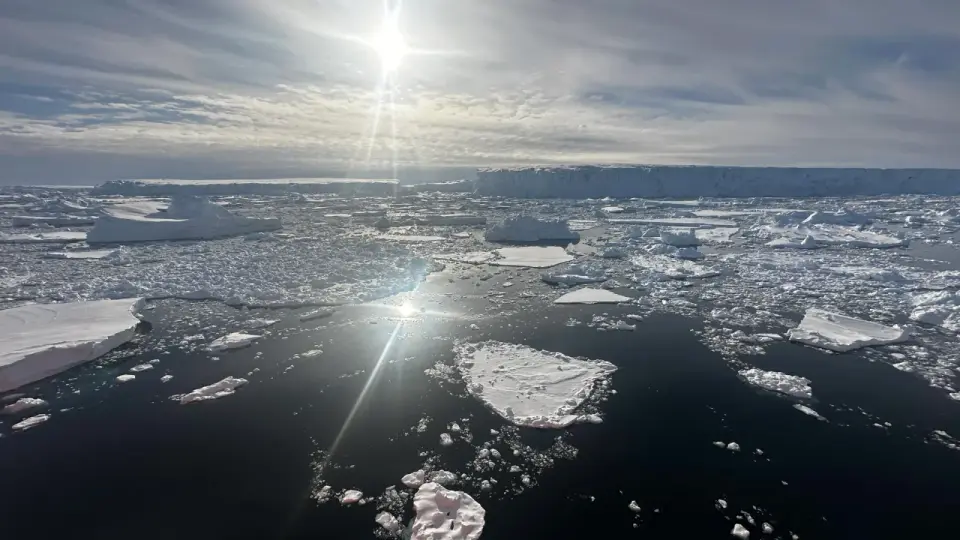
A new model by UC Irvine and NASA JPL suggests Thwaites Glacier will contribute 30mm to sea-level rise by 2100, double previous estimates, due to warm water melting ice from below.
Key points
- UC Irvine and NASA JPL researchers developed a new ice-sheet model that accounts for a broad 'grounding zone' where warm ocean water penetrates beneath the ice, causing accelerated melting.
- The model predicts Thwaites Glacier could add up to 30 millimeters (1.2 inches) to global sea levels by 2100, which is double previous projections, even without additional global warming.
- The study, published in Nature Communications, found that the glacier has a 60% chance of detaching from the Mouginot Ridge, a critical underwater stabilizer, before 2100.
- Thwaites Glacier, located in West Antarctica, is currently responsible for about one-third of the Antarctic Ice Sheet's total mass loss and loses 50 billion tonnes of ice annually.
- The findings indicate that previous models underestimated the glacier's retreat because they treated the grounding line as a narrow, stable boundary rather than a dynamic, kilometers-wide zone.
Background
Our archive shows that this topic has been covered extensively in recent weeks, with multiple articles highlighting the same doubling of sea-level threat and the role of 'grounding zones' in accelerating melting. The 2026-10-15 and 2026-10-21 articles specifically mentioned the 30mm projection and the risks to coastal cities like Miami and Manila, aligning with the current findings.
How outlets are covering it
ScienceDaily and Geographical both emphasize the doubling of sea-level rise projections and the role of warm ocean water. Grist, however, frames the issue as a 'runaway climate disaster' and highlights the urgency of action, citing a British Antarctic Survey study that suggests Thwaites will continue to lose ice for at least 150 years, even under extreme ocean-cooling scenarios. This contrasts with the more focused physical mechanism explanation in the other sources.
Why it matters
The revised projections suggest that coastal flooding risks are significantly higher than previously anticipated, with major implications for global infrastructure and communities in low-lying areas. The potential for Thwaites to detach from its stabilizing ridge could lead to a rapid and irreversible retreat, exacerbating global sea-level rise.
What to watch
Researchers will continue to monitor Thwaites Glacier using satellite data and ground-based measurements to validate the new model's predictions. Policy discussions may intensify as the findings highlight the need for urgent action to mitigate climate change and its impacts on polar ice sheets.
- Antarctica’s “Doomsday Glacier” could raise sea levels twice as much as predicted Science Daily
- Thwaites is a runaway climate disaster. New studies show how. Grist
- Scientists have issued a fresh warning about Antarctica’s Thwaites Gla News of Bahrain
- World’s largest glacier melting faster than anticipated, study finds Geographical
Want the full story? Read the original reporting
Read on Science Daily