
2026 Antarctic Ozone Hole Reaches Decade High, Yet Recovery Trajectory Holds
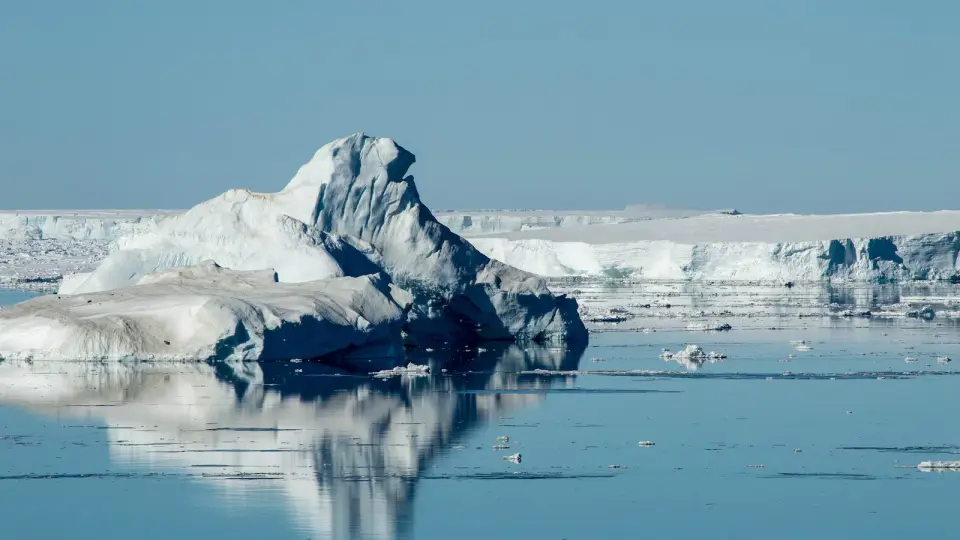
The 2026 ozone hole over Antarctica has become the largest in ten years, reaching 10.5 million square miles on September 18. This expansion, driven by an unusually strong polar vortex, marks the seventh-largest hole in 48 years of monitoring. Despite this significant annual increase, scientists from NOAA and NASA confirm that long-term recovery remains on schedule, with full restoration expected by the 2070s.
Key points
- The 2026 ozone hole measured 10.5 million square miles at its peak, approximately 90% the size of the record set in 2000.
- An unusually powerful polar vortex prolonged ozone depletion, as weak planetary-scale weather systems failed to break up the vortex in August and September.
- This year’s expansion contrasts sharply with 2025, which recorded the fifth-smallest ozone hole since 1992.
- Researchers estimate that the ozone layer will fully recover by the 2070s as older chlorofluorocarbon compounds disintegrate.
- The annual hole is forming later in the season, a trend scientists interpret as evidence that the ozone layer is healing.
Background
Previous coverage in our archive has highlighted various long-term health and durability concerns, such as respiratory impacts from vaping and mechanical wear in electronic devices, but has not previously addressed atmospheric ozone depletion. The current report provides the first detailed update on the 2026 ozone hole, distinguishing it from broader air pollution issues noted in earlier reports.
Why it matters
The ozone layer serves as a critical planetary shield against harmful ultraviolet radiation. A larger ozone hole increases UV exposure, raising risks for skin cancer, cataracts, and crop damage. While the 2026 expansion is notable, it underscores the complex interplay between weather patterns and chemical recovery, confirming that international efforts to ban ozone-depleting substances are still effective despite annual fluctuations.
What to watch
Scientists will continue monitoring the ozone layer as it heals, with full recovery projected for the 2070s. Future reports will likely track whether the trend of later-forming holes continues, which would further indicate successful recovery from historical chemical depletion.
Want the full story? Read the original reporting
Read on ABC News - Breaking News, Latest News and Videos