
AMOC Collapse Would Trigger Global Climate Shifts, From European Freezing to Pacific Wind Changes
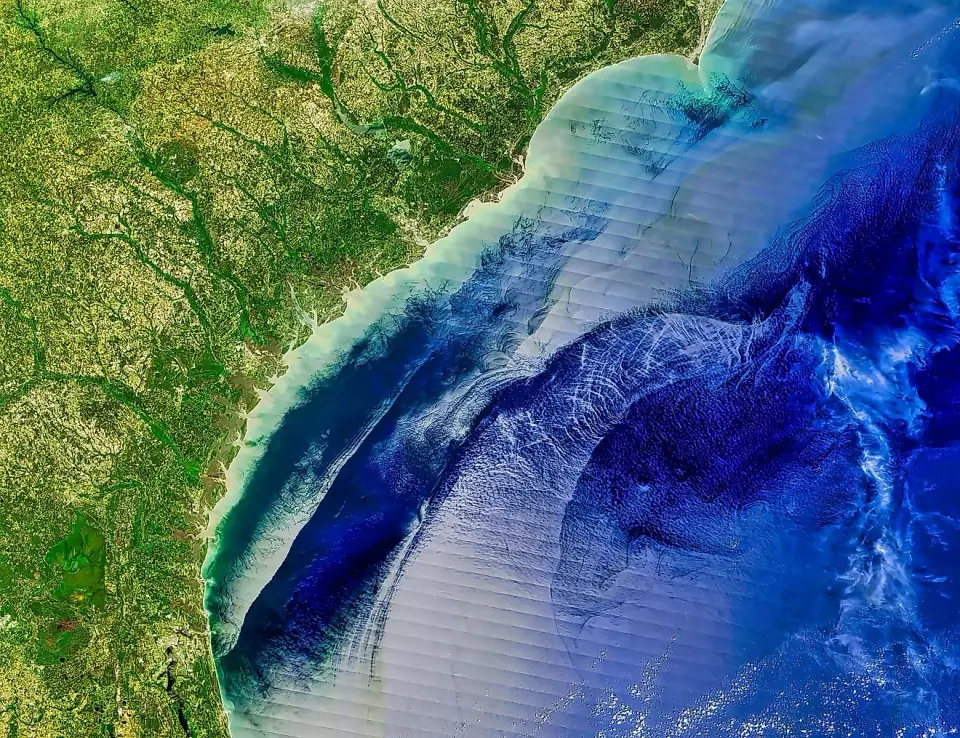
The Atlantic Meridional Overturning Circulation (AMOC) is a critical global heat transport system. If it collapses, northwestern Europe could face temperatures 5 degrees Celsius colder than expected, while global impacts include shifted monsoons, altered hurricane tracks, and reduced ocean carbon uptake. Recent studies confirm these cascading effects, though the timing of a full collapse remains uncertain.
Key points
- AMOC moves heat equivalent to one million power plants, keeping northwestern Europe mild.
- A collapse could lower UK temperatures by 5 degrees Celsius, even amid global warming.
- Winter sea ice could expand south to 50 degrees north, intensifying cold extremes.
- European droughts could worsen, with UK summer rainfall potentially dropping by 40 percent.
- Global impacts include weakened South Asian monsoons, shifted Sahel rains, and stronger Pacific trade winds.
- North Atlantic plankton biomass could halve, disrupting marine food webs.
Background
The AMOC has undergone abrupt changes during past ice ages, influencing Earth's energy balance. Recent research highlights its role in redistributing heat and nutrients, with scientists like Nick Foukal studying its resilience against freshwater inputs from melting ice. The IPCC expects AMOC to weaken this century but with medium confidence it will not fully collapse before 2100.
How outlets are covering it
WorldAtlas provides a comprehensive overview of modeled consequences, emphasizing Europe's cooling and global teleconnections. MPR News highlights public curiosity about AMOC-El Niño links but notes limited understanding of seasonal impacts. Nature focuses on historical AMOC shifts affecting planetary energy balance. UGA Today underscores ongoing research into AMOC resilience, particularly regarding freshwater inputs from Greenland and the Arctic.
Why it matters
AMOC stability is crucial for global climate regulation. A collapse would exacerbate regional climate extremes, disrupt agriculture, alter marine ecosystems, and impact carbon sequestration, with cascading effects on weather patterns worldwide.
What to watch
Scientists continue modeling AMOC scenarios to refine predictions. Monitoring freshwater inputs and ocean circulation strength remains critical. Future research may clarify the timing and magnitude of potential AMOC weakening, informing climate adaptation strategies.
- What Would Happen If The Gulf Stream Stopped WorldAtlas
- Understanding the relationship between the weakening AMOC current and El Niño mprnews.org
- Past abrupt changes in Atlantic Ocean currents controlled the Earth’s energy balance Nature
- North Atlantic temperature patterns change with AMOC strength, models show The Watchers - Watching the world evolve and transform
- Assistant professor studies how currents affect the climate UGA Today
Want the full story? Read the original reporting
Read on WorldAtlas