Tag

Weather Patterns

All articles tagged with #weather patterns

AMOC Collapse Would Trigger Global Climate Shifts, From European Freezing to Pacific Wind Changes
science-and-environment1 month ago

AMOC Collapse Would Trigger Global Climate Shifts, From European Freezing to Pacific Wind Changes

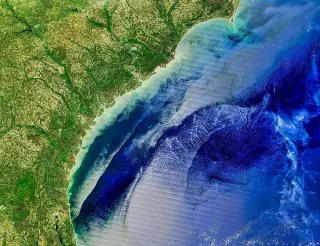
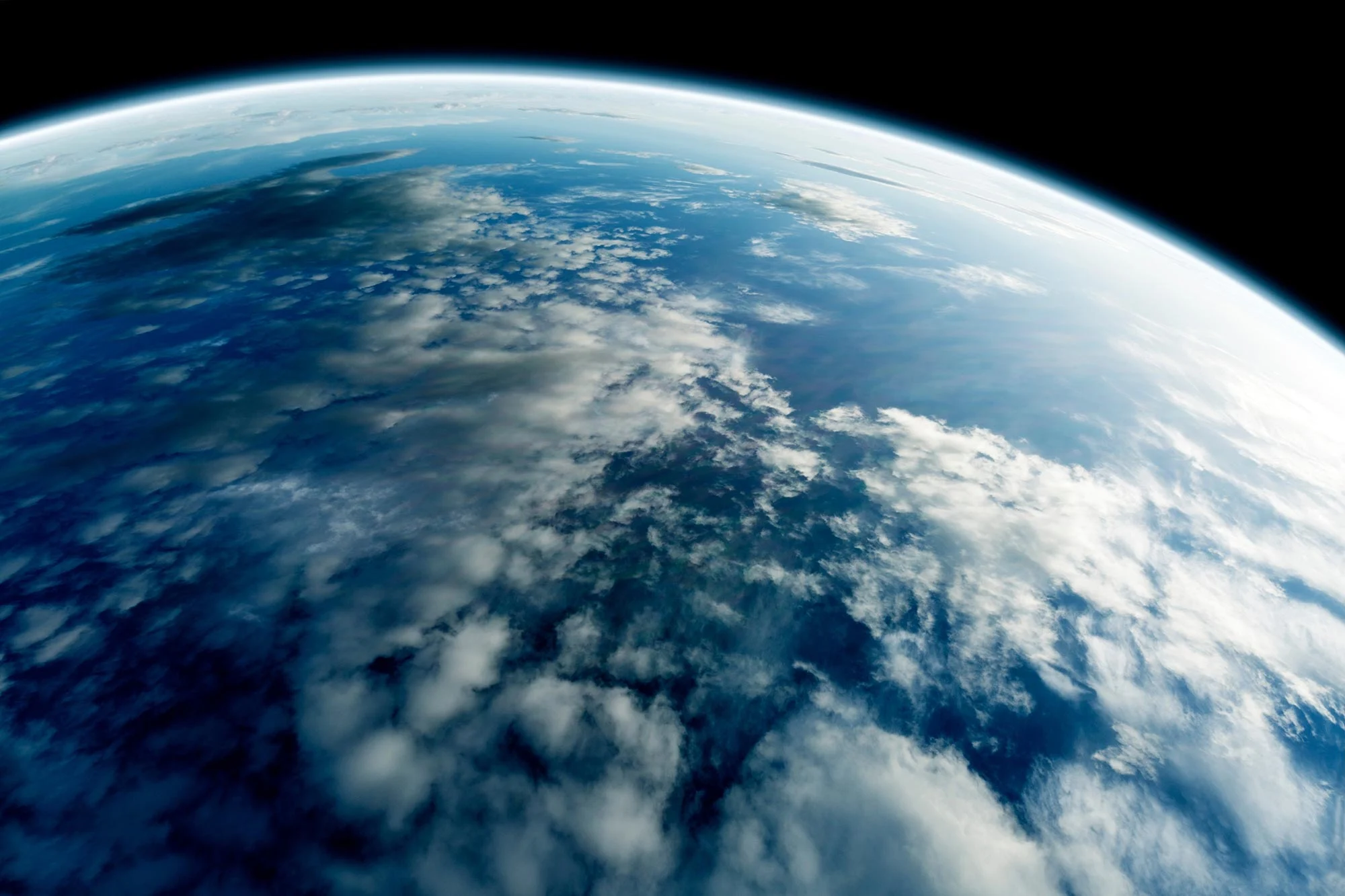
The Atlantic Meridional Overturning Circulation (AMOC) is a critical global heat transport system. If it collapses, northwestern Europe could face temperatures 5 degrees Celsius colder than expected, while global impacts include shifted monsoons, altered hurricane tracks, and reduced ocean carbon uptake. Recent studies confirm these cascading effects, though the timing of a full collapse remains uncertain.

Record-Setting El Niño Could Redefine 2026 Weather
climate5 months ago

Record-Setting El Niño Could Redefine 2026 Weather

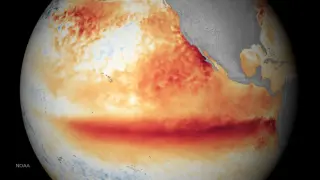
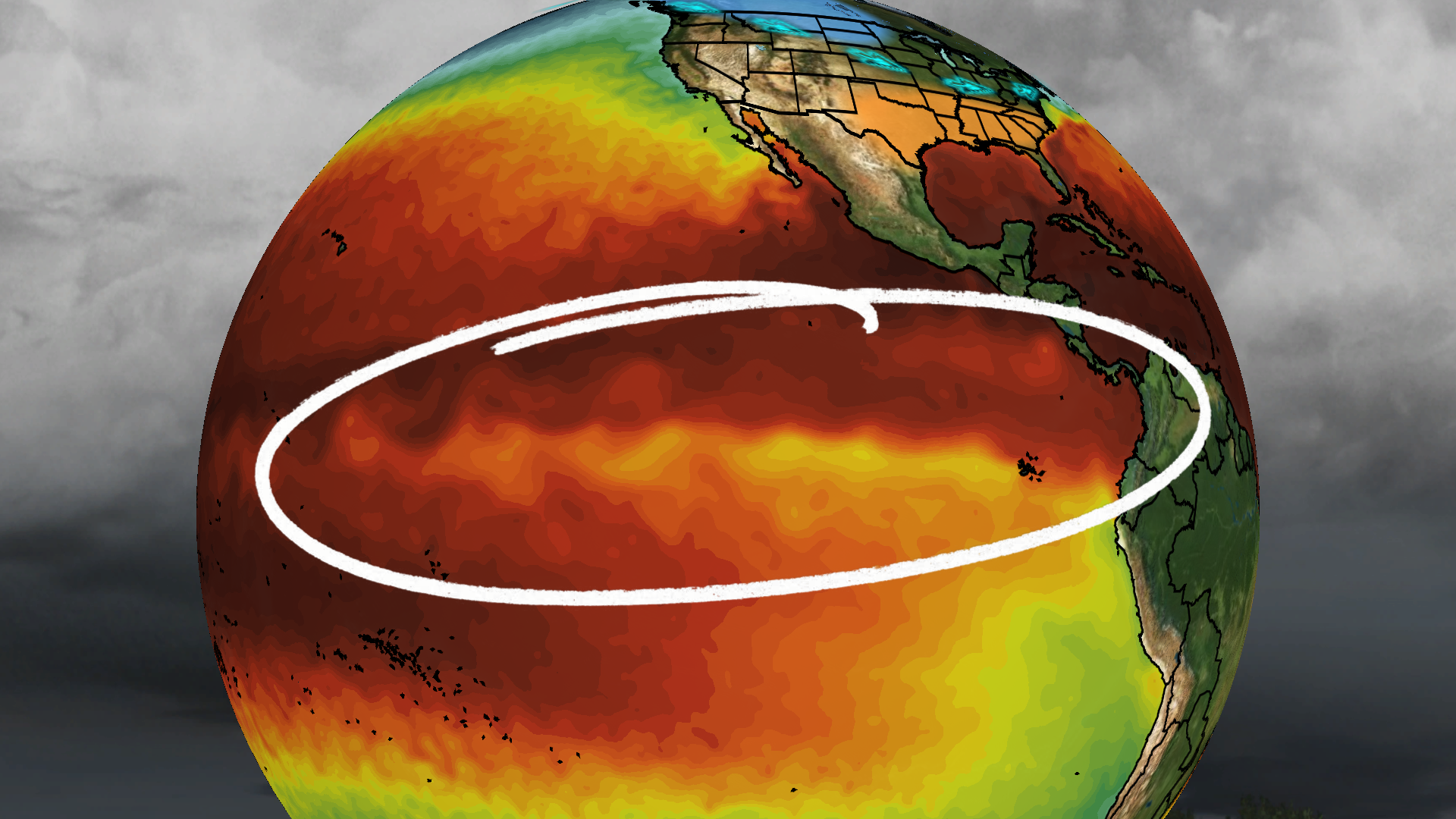
Models warn of a rare, possibly record-breaking El Niño this summer that could be the strongest since 1877–78, with sea-surface temperatures about 3°C above average by December. If it materializes, New England could see a near-record warm, more humid summer with wetter conditions and more coastal storms, followed by a wetter fall/winter and less snow; the Atlantic hurricane season may be quieter.

Unexpected Risks in Simple Climate Adaptation Strategies
environment1 year ago

Unexpected Risks in Simple Climate Adaptation Strategies

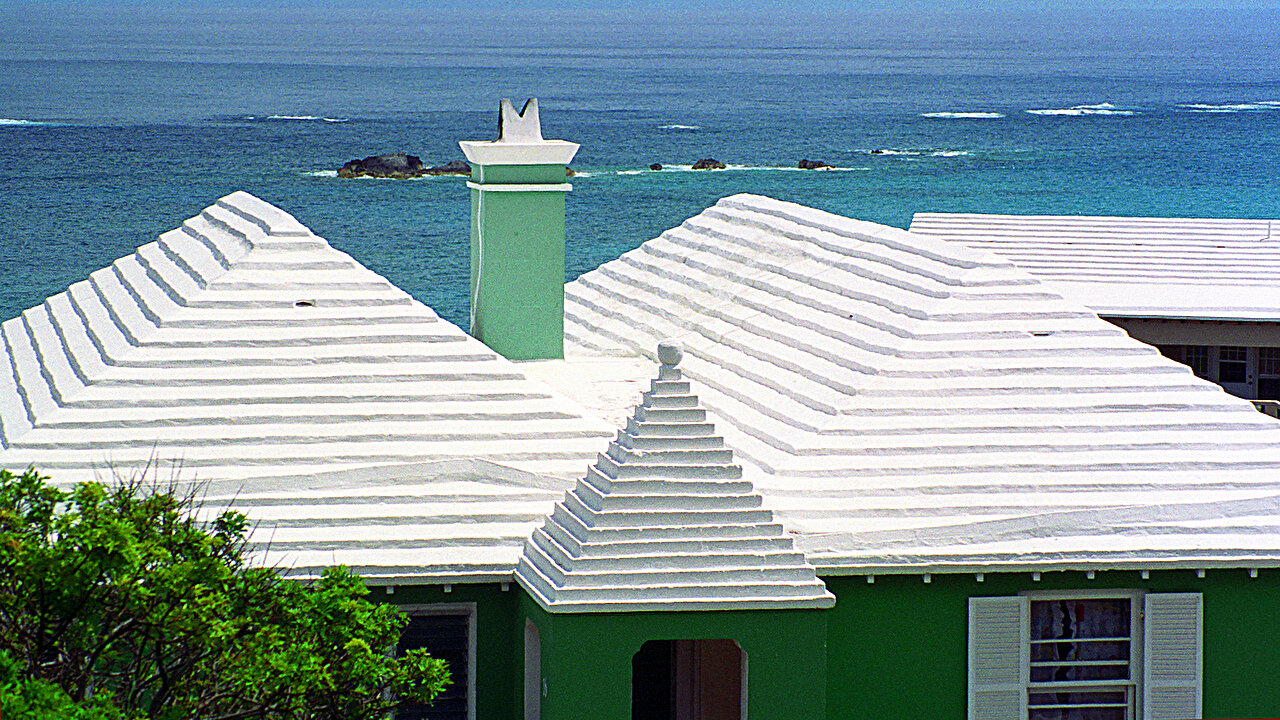
A study published in Geophysical Research Letters suggests that land radiative management (LRM), a climate adaptation strategy involving reflective surfaces to cool urban areas, may inadvertently increase temperatures in neighboring regions by altering weather patterns and reducing rainfall. This could exacerbate climate inequity if applied in high-income areas adjacent to low-income ones. However, the researchers note that LRM could still be beneficial if implemented over appropriate scales, minimizing unintended warming effects.

Weak La Niña to Influence Winter Weather Across U.S.
climate-and-weather1 year ago

Weak La Niña to Influence Winter Weather Across U.S.

NOAA has issued an update indicating that a weak La Niña is expected to develop in the coming months, but it is likely to be short-lived and have less impact on global weather patterns, including winter weather in the U.S. Current neutral conditions in the Pacific Ocean suggest that while a La Niña watch remains in effect, the event's influence on typical winter temperature and precipitation patterns may be less pronounced. The likelihood of La Niña forming by the end of December has decreased to 57%.

Microplastics in Clouds: A New Climate Change Factor
science1 year ago

Microplastics in Clouds: A New Climate Change Factor

New research from Penn State suggests that microplastics in the atmosphere may influence weather and climate by acting as ice nucleating particles in clouds. These particles can alter precipitation patterns and cloud formation, potentially impacting climate models and aviation safety. The study found that microplastics can cause water droplets to freeze at warmer temperatures, affecting cloud dynamics and possibly contributing to climate change. The full extent of their impact remains uncertain, but the findings highlight the need for further investigation into how microplastics interact with the climate system.

"Doomsday Glacier Melting Rapidly, Posing Major Threat to Coastal Areas"
environment2 years ago

"Doomsday Glacier Melting Rapidly, Posing Major Threat to Coastal Areas"

A significant decline in Antarctic sea ice, described as a once-in-2,000-years event, has been observed, with 2023 seeing a reduction of over 2 million square kilometers. This unprecedented loss, linked to climate change, could have major impacts on marine ecosystems and global weather patterns, according to a study by the British Antarctic Survey. Researchers used climate models to assess the likelihood and implications of this decline.

"Antarctic Ice Loss Accelerates: Unprecedented Melting of Glaciers and Sea Ice"
environment2 years ago

"Antarctic Ice Loss Accelerates: Unprecedented Melting of Glaciers and Sea Ice"

A study using CMIP6 climate models found that the unprecedented Antarctic sea ice loss in 2023, equivalent to ten times the size of the UK, was significantly influenced by climate change. Without climate change, such an event would be a one-in-2000-year occurrence. The long-term reduction in sea ice could have serious implications for global weather and marine ecosystems, highlighting the need for ongoing research to understand and predict future changes.

"Tonga Eruption May Alter Global Weather for Years"
environment2 years ago

"Tonga Eruption May Alter Global Weather for Years"

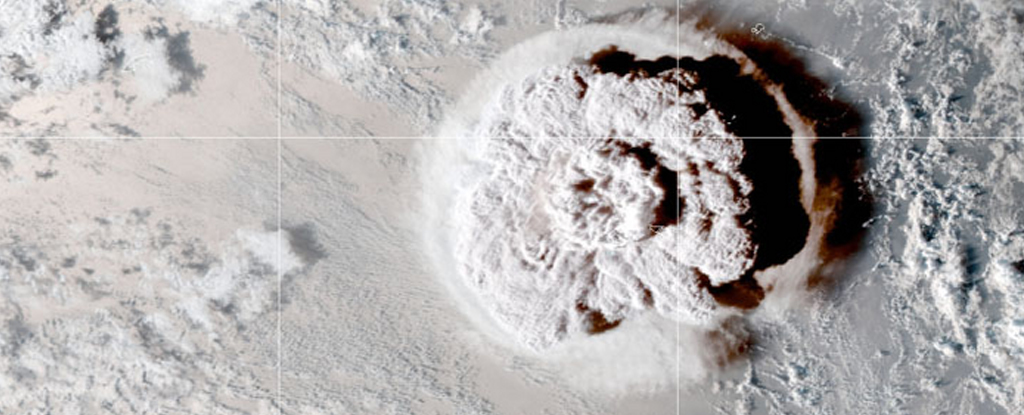
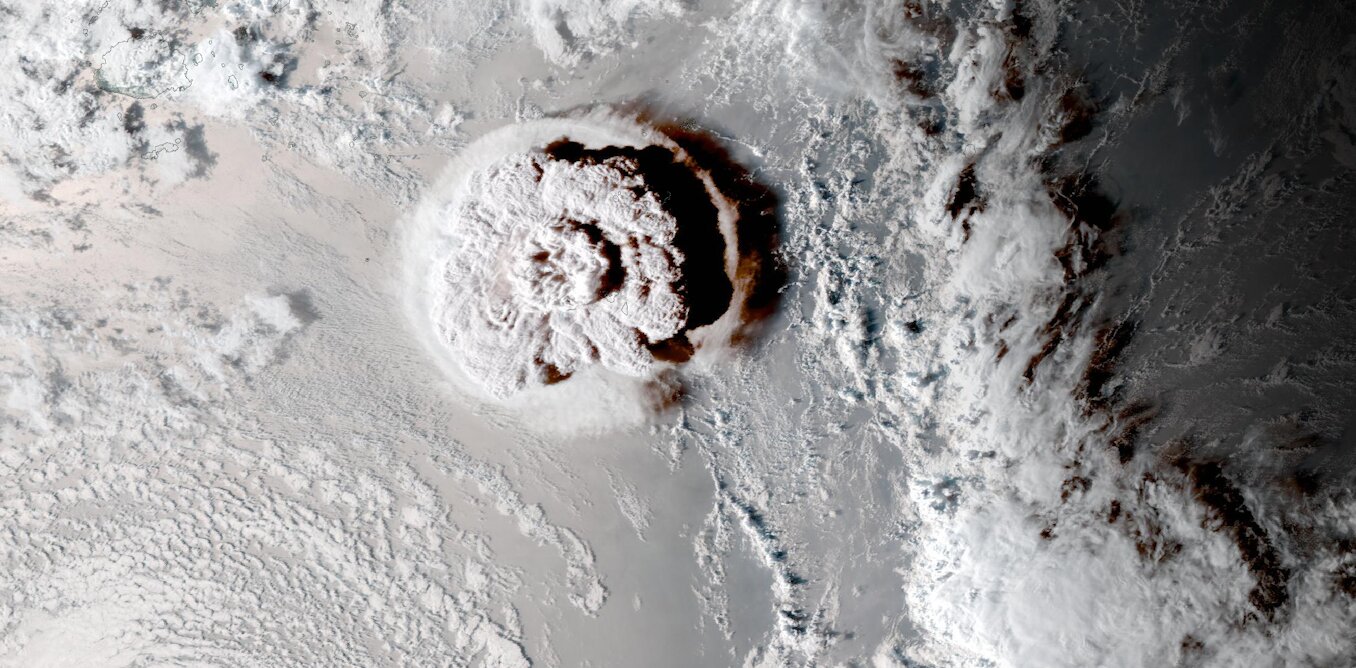
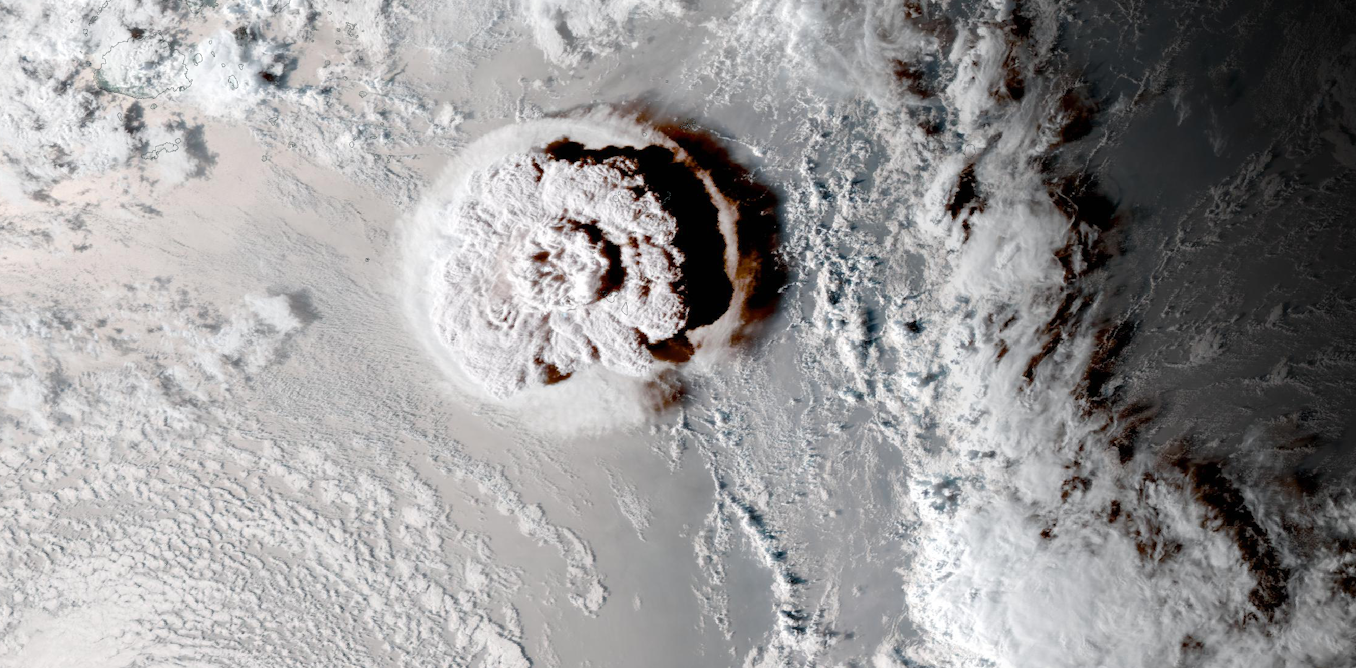
The Hunga Tonga-Hunga Ha'apai volcanic eruption in January 2022 has had significant and unusual climate impacts, including contributing to a large ozone hole in 2023 and altering weather patterns for years. Unlike typical volcanic eruptions, it released massive amounts of water vapor into the stratosphere, which is a potent greenhouse gas and aids in ozone layer destruction. Climate models predict lasting effects, such as colder and wetter winters in northern Australia and warmer winters in North America, potentially disrupting weather patterns for the rest of the decade.

"Tonga Eruption May Alter Global Weather Patterns for Decade: Study"
scienceenvironment2 years ago

"Tonga Eruption May Alter Global Weather Patterns for Decade: Study"

A new study reveals that the 2022 Hunga Tonga volcanic eruption, which released massive amounts of water vapor into the stratosphere, could cause unusual weather patterns for the rest of the decade. The eruption has been linked to the large ozone hole in 2023 and unexpected wet summers in Australia. The study predicts colder and wetter winters in northern Australia, warmer winters in North America, and colder winters in Scandinavia until 2029.

"Tonga Eruption May Alter Global Weather Patterns for Decade, Study Finds"
science-and-environment2 years ago

"Tonga Eruption May Alter Global Weather Patterns for Decade, Study Finds"

The 2022 eruption of the Hunga Tonga-Hunga Ha’apai volcano has had significant and unusual impacts on global weather patterns, including an enlarged ozone hole and unexpected wet summers. The eruption injected massive amounts of water vapor into the stratosphere, a potent greenhouse gas, which could affect weather patterns for the rest of the decade. Climate models predict colder and wetter winters for northern Australia, warmer winters for North America, and colder winters for Scandinavia until 2029.