
Engineered Probiotics Offer Oral, Glucose-Responsive Diabetes Therapy in Animal Models
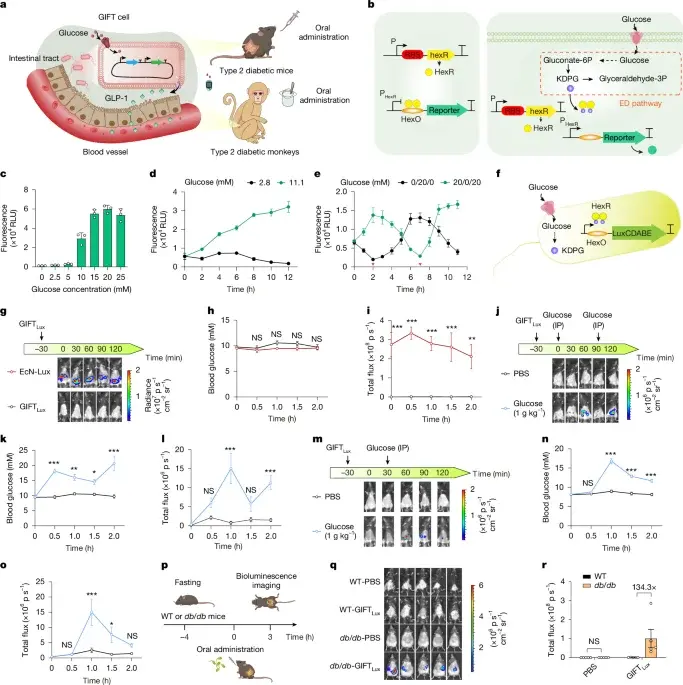
Researchers have developed a glucose-sensing probiotic that can lower blood sugar in mice and monkeys without requiring cell transplantation. The engineered bacteria detect high glucose levels in the gut and release therapeutic agents to manage diabetes, showing promise for treating complications and improving lipid profiles.
Key points
- A team led by Haifeng Ye created a 'sense-and-respond' living drug using engineered probiotics that detect glucose levels above normal thresholds.
- The probiotics utilize a synthetic gene circuit involving the transcriptional regulator HexR to control the expression of therapeutic transgenes in the intestine.
- Oral administration of these bacteria resulted in improved glycemic control, better lipid profiles, and reduced diabetic complications in both mouse and non-human primate models.
- This approach avoids the safety concerns associated with transplanting mammalian cells, offering a programmable, orally deliverable platform for metabolic therapy.
- The study demonstrates efficacy in multiple diabetic mouse models and type 2 diabetic non-human primates, suggesting potential for real-time, automated blood glucose management.
Background
This research builds on earlier efforts to use engineered cells for diabetes therapy, which often relied on external signals or mammalian cell transplantation. Previous studies, such as those involving Faecalibacterium prausnitzii for lupus, highlighted the potential of gut bacteria in disease modulation but noted limitations like oxygen sensitivity. The current study advances this by creating a self-contained, orally delivered system that responds directly to metabolic signals, addressing the need for safer, non-invasive treatments for chronic conditions like diabetes.
Why it matters
This development could lead to a new class of diabetes treatments that are easier to administer and potentially safer than current methods. By using probiotics that respond to real-time glucose levels, patients might achieve more stable blood sugar control with fewer side effects, reducing the burden of daily insulin injections or other medications. The success in non-human primates suggests a promising path toward human clinical trials.
What to watch
The next steps will likely involve further safety and efficacy testing in larger animal models and eventually human clinical trials. Researchers will need to determine the optimal dosing, long-term effects, and potential interactions with other medications. Additionally, the stability and persistence of the engineered probiotics in the human gut will be critical for determining their viability as a long-term therapy.
Want the full story? Read the original reporting
Read on Nature