A decades‑old medication has shown in early studies the ability to reprogram white blood cells and improve blood sugar control in type 1 diabetes, signaling a potential new therapeutic avenue that will require larger clinical trials to confirm efficacy and safety.
New metabolomic and mouse studies show metformin lowers blood glucose by selectively inhibiting mitochondrial complex I in the intestinal epithelium, increasing intestinal glucose use and improving postprandial glycemic control, with raised levels of GDF15 and N-lactoyl-phenylalanine linked to systemic glucose regulation.
A systematic review of 16 studies suggests bamboo may offer several health benefits, including improved glycemic control and probiotic gut effects, but human evidence is limited and there are safety concerns (such as lead exposure and thyroid swelling) that require proper preparation; more high-quality human trials are needed before firm dietary recommendations.
A systematic review led by Anglia Ruskin University suggests bamboo shoots may help metabolic regulation, glycemic control, and digestion due to high fiber and micronutrients, with some human trials showing lower blood sugar and cholesterol. Safety concerns center on raw bamboo containing goitrogenic compounds; proper prep like pre-boiling can neutralize toxins, but researchers caution that only a few high-quality human studies exist and more research is needed before firm dietary recommendations.
A Tufts-led team engineered E. coli to convert glucose into tagatose, a rare sugar that sweetens like sugar but offers a lower glycemic impact and reduced calories. Regulators have allowed a reduced caloric value for tagatose on labels (1.5 kcal/g) and several trials show improvements in HbA1c and fasting glucose; lab results suggest high conversion efficiency (up to ~95%), but industrial-scale production and cost-competitiveness remain unresolved. Some users report GI side effects at higher doses, and final widespread adoption will hinge on scalable manufacturing and clear regulatory guidance.
Eli Lilly's oral GLP-1 receptor agonist, orforglipron, showed superior glycemic control in two Phase 3 trials, outperforming dapagliflozin and oral semaglutide, with significant A1C reductions and weight loss, supporting its potential as a new standard treatment for type 2 diabetes.
A Japanese walking method called interval walking training (IWT), which alternates brisk and relaxed walking, has been shown to improve cardiovascular health, metabolic function, and muscle strength, especially in older adults and those with type 2 diabetes, with high adherence and safety.
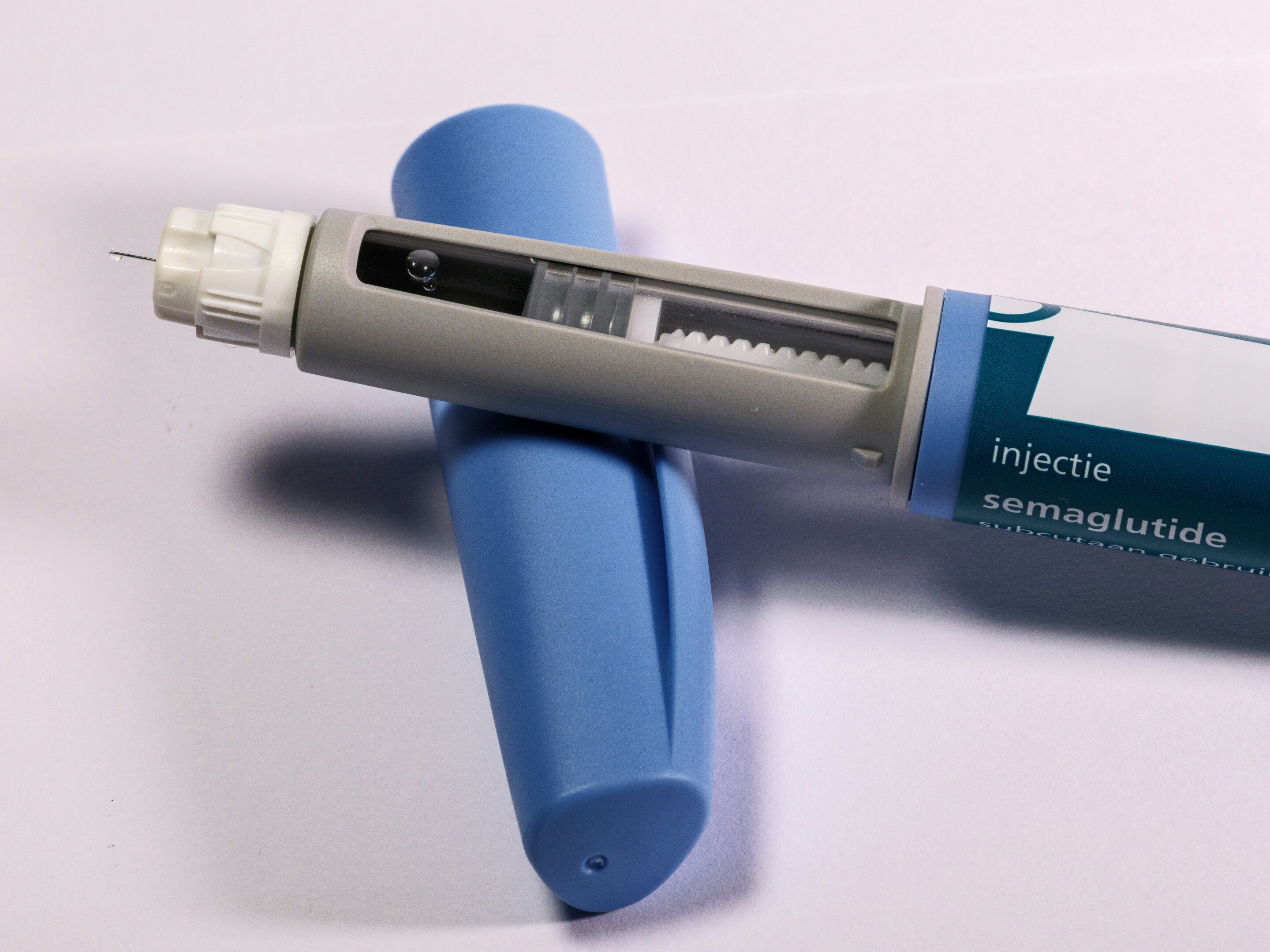
A Cleveland Clinic study found that in real-world settings, injectable obesity medications semaglutide and tirzepatide lead to smaller weight loss compared to clinical trials, mainly due to treatment discontinuation and lower dosages, with discontinuation also negatively impacting blood sugar control in prediabetic patients.
A Cleveland Clinic study found that injectable obesity medications semaglutide and tirzepatide lead to smaller weight loss in real-world settings due to treatment discontinuation and lower dosages, with continued treatment and higher doses associated with greater weight loss and better blood sugar control, especially in patients with pre-diabetes.
A new study published in The American Journal of Clinical Nutrition suggests that following a Mediterranean diet, particularly a green Mediterranean diet rich in polyphenols from green tea and Mankai, can significantly reduce age-related brain atrophy by 50% over 18 months. The study involved 284 participants and found that improved glycemic control and higher polyphenol intake were key factors in promoting a younger brain age. While the study's results are promising, they primarily apply to middle-aged men, and further research is needed to confirm benefits for women and older adults.
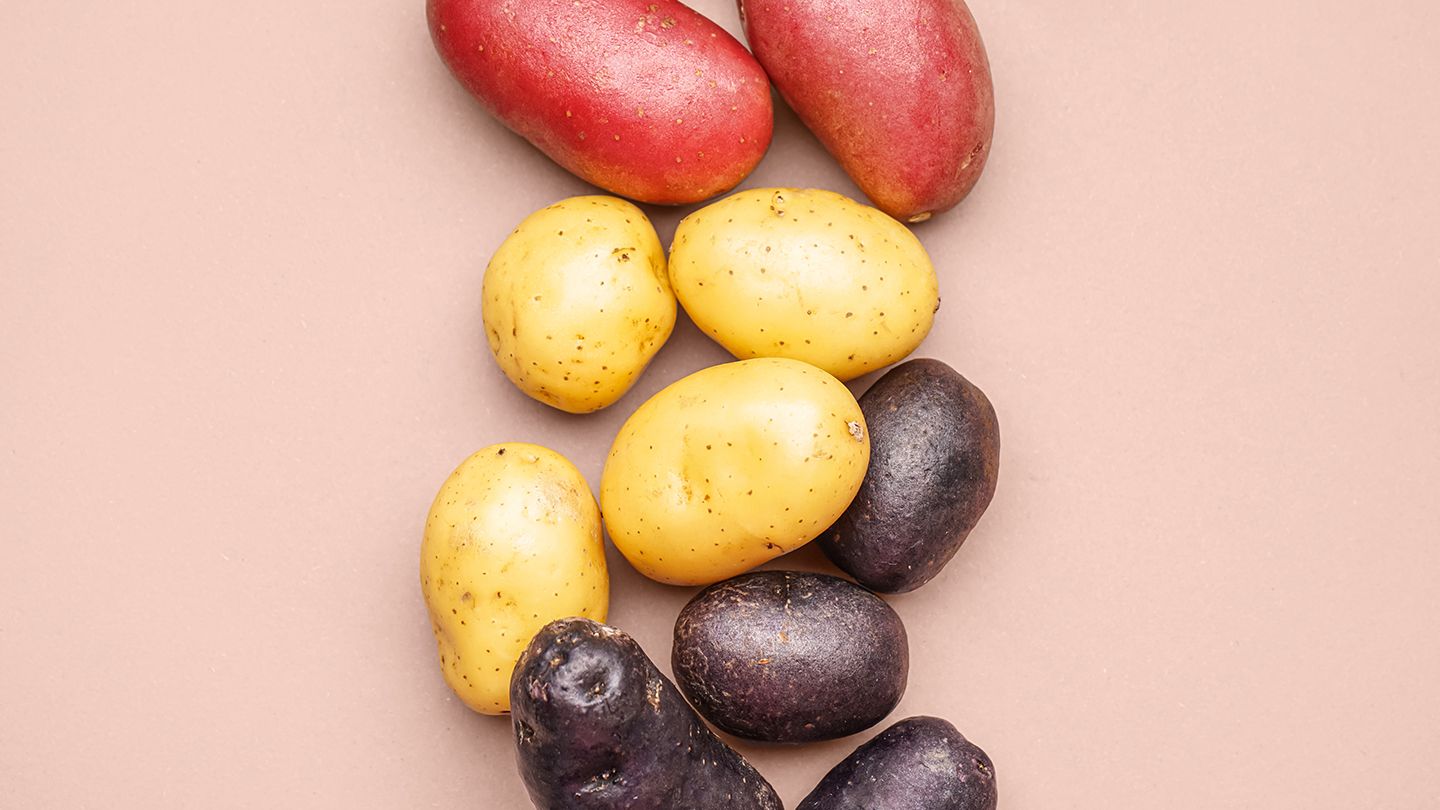
Potatoes, when consumed in their lesser-processed forms, are nutrient-rich and can contribute to a healthy diet. They are a source of key nutrients like vitamin C and potassium, and studies have shown that regular potato consumption is associated with improved diet quality, cardiovascular health, gut health, and glycemic control. Potatoes contain resistant starch, which acts as a prebiotic and promotes a healthy gut microbiome. While potatoes have been linked to an increased risk of type 2 diabetes, the cooking method and overall dietary patterns play a significant role. Resistant starch in potatoes can help regulate blood sugar levels.
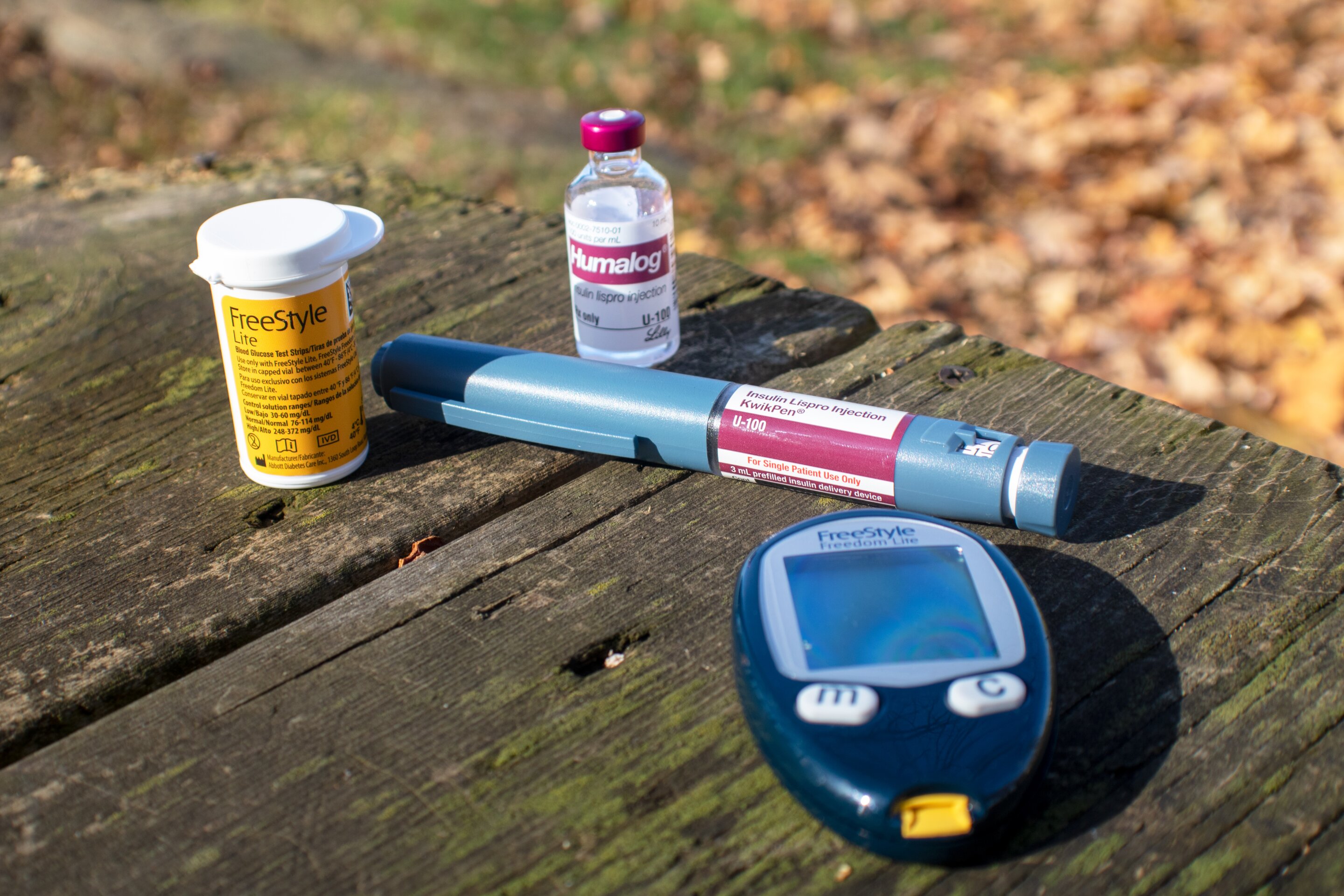
Dehydration can increase the risk of high blood sugar, especially among those with diabetes. Dehydration makes the blood more concentrated and may impact hormones related to blood sugar control. It can also lead to frequent urination, further exacerbating dehydration. Staying hydrated is important for blood sugar regulation, and individuals should carry a reusable water bottle, add flavor or bubbles to their water, set hydration goals, and drink less sugar-sweetened beverages. Dehydration and hyperglycemia share similar symptoms, so it's important to pay attention to urine frequency to differentiate between the two.
A preliminary study presented at Digestive Disease Week 2023 suggests that an endoscopic procedure using controlled electrical pulses to modify the lining of the small intestine could allow patients with type 2 diabetes to stop taking insulin and still maintain glycemic control. In the study, 86% of patients maintained good glycemic control without insulin for a year after the procedure. The authors are beginning work on a double-blind randomized controlled trial to test these results.