
First Scientific Record of Humpback Whale Maternal Grief Captured Off Australia
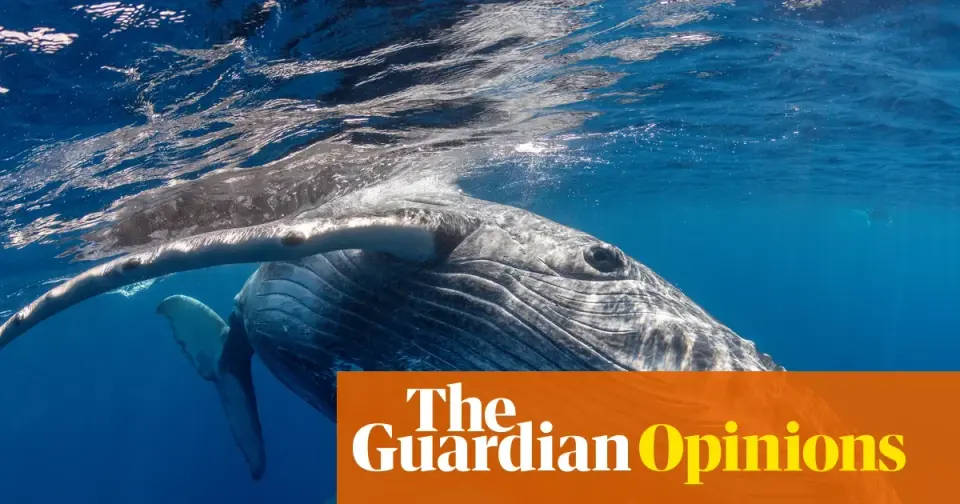
Researchers at Griffith University have documented the first detailed scientific case of a humpback whale mother exhibiting postmortem attentive behavior toward a stillborn calf. Footage from July 2026 off Australia’s Gold Coast shows the mother returning to the motionless calf on the seafloor for over an hour, touching it and maintaining eye contact. This rare observation suggests strong maternal bonds in baleen whales, though scientists caution that such behaviors may reflect instinct rather than human-like grief.
Key points
- The incident occurred in July 2026, approximately one kilometer off Australia’s Gold Coast, where a humpback calf was born stillborn and sank to the seafloor due to lack of buoyancy.
- Underwater video captured the mother whale repeatedly approaching the calf for over an hour, gently touching it with her head and pectoral fin while resting beside it.
- A second adult whale, likely an escort, remained nearby, and public reports suggested two whales stayed in the area for two days, though researchers could not confirm their identity.
- This is the first detailed scientific study of a humpback whale attending to a deceased newborn, as previous cases of prolonged mourning were mostly documented in toothed whales like orcas.
- The mother did not attempt to lift the calf to the surface, possibly indicating recognition of its death or physical inability to do so from the seabed.
Background
This finding builds on recent advances in observing whale behavior, including a rare drone-captured humpback birth in New South Wales in August 2026 and long-term acoustic monitoring showing humpback population recovery. While earlier studies focused on toothed whales carrying dead calves for weeks, this case highlights that similar maternal bonds exist in baleen whales, which are harder to study due to the rapid sinking of newborns.
Why it matters
This observation provides critical insight into the emotional complexity and social bonds of baleen whales, challenging previous assumptions that such behaviors were limited to toothed species. It underscores the need for more at-sea research to understand whale responses to death and loss, potentially informing conservation efforts and our understanding of cetacean cognition.
What to watch
Researchers expect more such cases to be observed as whale populations recover and scientific equipment improves. Further studies may clarify whether these behaviors stem from grief, maternal instinct, or confusion, potentially leading to new frameworks for understanding animal mourning.
Want the full story? Read the original reporting
Read on The Guardian