
Perseid Meteor Shower Peaks in August with Up to 100 Meteors Per Hour
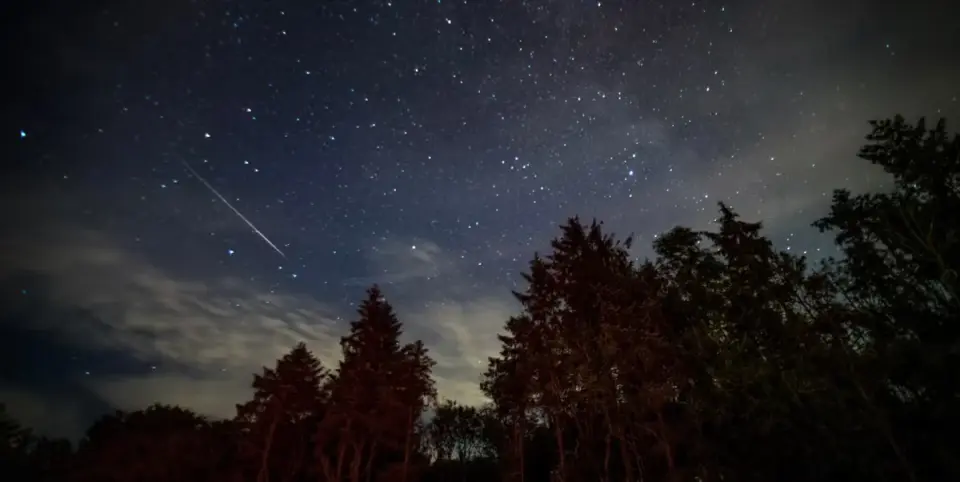
The Perseid meteor shower, caused by debris from Comet Swift-Tuttle, peaks in August with up to 100 meteors per hour. Best viewing occurs between midnight and 4 AM in dark locations, though the shower lasts until September.
Key points
- The Perseid meteor shower began on July 17 and peaks in August, offering up to 100 shooting stars per hour at its height.
- The meteors are fragments from Comet Swift-Tuttle, which has been observed for thousands of years, possibly by Chinese astronomers in 69 BCE.
- Optimal viewing times are between midnight and 4 AM when the constellation Perseus is higher in the sky, though activity starts around 10 PM.
- Viewers should seek locations with clear horizons and minimal light pollution, allowing eyes to adjust to darkness for better visibility.
- The shower lasts until September, providing multiple opportunities for observation even if weather or conditions are poor on peak nights.
Background
Previous coverage noted the Perseids peak around August 12-13, with rates varying by location and light pollution. Some areas may see 50-90 meteors per hour, while urban centers like New York City experience reduced visibility due to light pollution. The shower coincides with other August sky events, including a partial solar eclipse and a lunar eclipse.
Why it matters
The Perseid meteor shower is one of the year's most spectacular skywatching events, offering a rare opportunity to observe celestial phenomena with the naked eye. Understanding the science behind these displays enhances the experience, making it accessible to both casual observers and astronomy enthusiasts.
What to watch
The Perseid meteor shower continues until September, providing additional chances for observation. Viewers should monitor weather conditions and plan for dark, clear nights to maximize visibility. Other August sky events, including eclipses, may also draw attention to the night sky.
Want the full story? Read the original reporting
Read on countryliving.com