
Colossal Biosciences Links De-Extinction Tech to Human Longevity and Climate Solutions
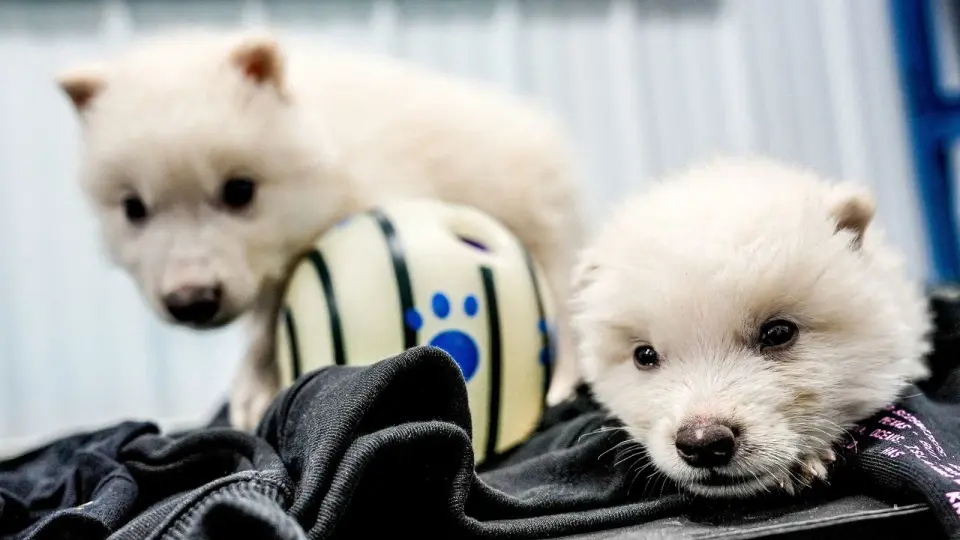
Colossal Biosciences is using AI and gene editing to revive extinct species like the dire wolf and woolly mammoth, aiming to apply these technologies to human healthcare and climate change mitigation.
Key points
- Ben Lamm, CEO of Colossal Biosciences, stated that the company’s de-extinction efforts are not merely about recreating 'Jurassic Park' scenarios but are designed to develop a 'programmable life model' for broader applications.
- The company successfully produced three dire wolf pups, named Romulus, Remus, and Khaleesi, by editing the genomes of gray wolves using ancient DNA from fossils over 12,500 years old.
- Colossal aims to bring back the woolly mammoth by the 2030s, using Asian elephants as genetic templates, with the goal of using these animals to combat climate change by converting forests into grasslands.
- A spin-off company, Astromech, is valued at $2 billion and focuses on 'convergent evolution' to understand why certain species, like elephants, have lower cancer rates, with the intent to apply these insights to human medicine.
- Colossal raised $200 million in a Series C round in July 2026, reaching a valuation of $10.2 billion, with 30% of investors motivated by their children’s interest in science.
Background
Previous coverage noted that Colossal Biosciences delayed its woolly mammoth revival timeline to the early 2030s due to the complexity of editing over 150 genes, relying increasingly on AI to manage genetic data. Earlier studies also highlighted that the extinction of Wrangel Island mammoths was abrupt rather than a slow decline, emphasizing the need for genetic health monitoring in conservation efforts.
How outlets are covering it
While CNBC highlights the potential for de-extinction technology to advance human healthcare and solve climate issues, Esquire Singapore presents a more skeptical view, noting that critics argue the created animals are merely genetically modified versions of living relatives rather than true de-extinctions. Esquire also reports on ethical concerns raised by bioethicists like Arthur Caplan, who argue that de-extinction is unnatural and that resources would be better spent on conventional conservation. Conversely, Colossal’s leadership, including Ben Lamm and George Church, maintains that these technologies are essential for addressing biodiversity crises and developing new medical treatments, such as gene therapies and targeted delivery systems.
Why it matters
The development of de-extinction technologies could lead to significant advancements in synthetic biology, potentially offering solutions to human health challenges, such as eradicating genetic diseases, and addressing environmental issues like climate change through ecological restoration. The high valuation of Colossal Biosciences and its spin-offs indicates strong investor confidence in the commercial and scientific potential of these technologies.
What to watch
Colossal Biosciences expects to deliver more extinct species, including additional dire wolves, within the next one to two years. The company is also working on reviving other species such as the dodo bird, Tasmanian tiger, and moa. The woolly mammoth project is targeted for a birth in the 2030s, with ongoing research into applying de-extinction technologies to human healthcare and agriculture.
- How de-extincting dire wolves and woolly mammoths may extend human life CNBC
- Colossal Genetics Esquire Singapore
Want the full story? Read the original reporting
Read on CNBC