
SIU Carbondale Researchers Present Yeast-Based Method to Convert PET Plastic into 3D-Printed Cookies
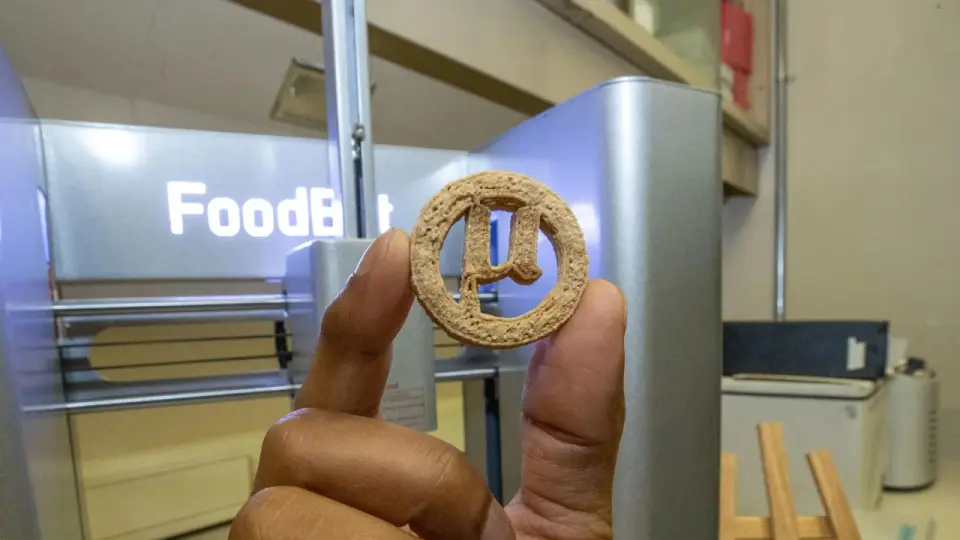
Southern Illinois University Carbondale scientists, supported by NASA, have demonstrated a system that converts polyethylene terephthalate (PET) plastic and agricultural waste into edible ingredients using engineered yeast. The resulting components are 3D-printed into protein-rich cookies called µBites. While formal taste tests are pending, the technology aims to address food insecurity in extreme environments like deep space and disaster zones by upcycling carbon-rich waste into nutrition.
Key points
- Researchers at Southern Illinois University Carbondale, led by Associate Professor Lahiru Jayakody, are using genetically modified yeast to transform waste materials into food ingredients.
- The process begins with oxidative hydrothermal dissolution, a technique developed by Geology Professor Ken Anderson, which breaks down PET plastic and plant biomass into smaller molecules using high heat and pressure.
- Engineered yeast strains, including baker’s yeast, consume these broken-down molecules to synthesize proteins, fats, vitamins, and flavorings such as vanilla and beta carotene.
- The synthesized ingredients are combined with fiber, starch, and sweetener, then 3D-printed into cookies named µBites, which are currently safe to eat but await formal taste testing.
- The project originated from the NASA Deep Space Food Challenge, aiming to provide sustainable food sources for astronauts and other resource-limited environments where traditional supply chains are unavailable.
Background
This development builds on earlier reports from August 2026, which highlighted the same µBite technology and its potential for space exploration. Previous coverage noted that current production costs are approximately $60 per kilogram and that the conversion process involves a 32-step biochemical pathway. While earlier articles emphasized the high cost and scalability challenges, the latest presentation at the American Chemical Society meeting focuses on the biological mechanisms and the potential for future consumer acceptance.
Why it matters
This research offers a dual solution to two critical global issues: plastic pollution and food insecurity. By upcycling waste into edible products, the technology could reduce landfill burden while providing a viable food source for remote or disaster-stricken areas. As global food demand is projected to rise by 35-56% by 2050, such microbial manufacturing methods may become essential for sustainable nutrition in environments where conventional agriculture is impossible.
What to watch
The research team is working to engineer yeast strains that can produce all cookie ingredients, including starch and sweeteners, to reduce reliance on external additives. They are also awaiting institutional approval to conduct formal taste tests to improve consumer appeal. Jayakody hopes the technology will be ready for public consumption within the next few years, with applications expanding to submarines, disaster zones, and future lunar or Martian settlements.
Want the full story? Read the original reporting
Read on sciencedaily.com