
FCC Backlash Mounts as Environmental Groups Challenge Space Mirror Launch
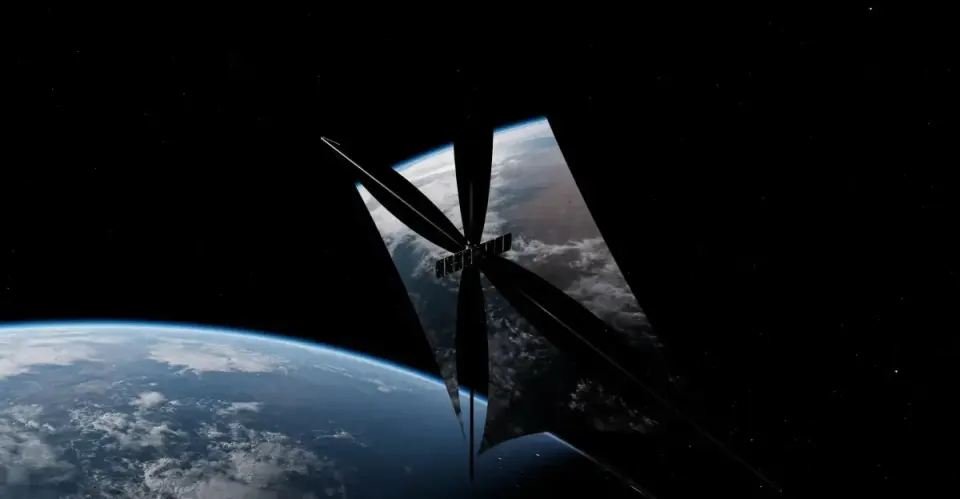
The FCC approved Reflect Orbital's Eärendil-1 test satellite, which will reflect sunlight to Earth, but environmental groups have petitioned to reverse the decision due to risks to astronomy, wildlife, and eye safety.
Key points
- Reflect Orbital plans to launch a 50,000-satellite constellation by 2035 to provide on-demand sunlight for solar farms, agriculture, and emergency lighting.
- The FCC approved the Eärendil-1 test satellite, which features an 18-square-meter mirror designed to create a 5-kilometer-wide beam of light.
- Astronomers warn the project could make the night sky three to four times brighter, potentially ending ground-based optical astronomy.
- Environmental groups, including DarkSky International, filed a petition arguing the FCC ignored potential impacts on wildlife, circadian rhythms, and public eye safety.
- The FCC dismissed eye safety concerns as outside its authority, stating that the risks are too attenuated from its communications licensing mandate.
Background
The concept of space mirrors dates back to the 1990s Russian Znamya project and earlier proposals by Wernher von Braun. Recent archival reports indicate that the FCC had already approved the Eärendil-1 launch in July 2026, sparking immediate backlash from astronomical societies. Broader concerns about light pollution from up to 1.7 million proposed satellites have been highlighted by the European Southern Observatory, with specific worries about the impact on major observatories like the Vera C. Rubin Observatory.
How outlets are covering it
The Verge emphasizes the existential threat to astronomy and the lack of regulatory oversight, noting that the FCC has effectively washed its hands of the issue. NBC News highlights the legal challenge from environmental groups, who argue the FCC failed to evaluate ecological and safety impacts before approval. The Irish Times frames the issue within a broader context of unchecked space commercialization, linking it to concerns about orbital data centers and the potential for 'wild west' regulation in space. While The Verge and NBC News focus on the immediate risks to observers and wildlife, The Irish Times critiques the broader trend of prioritizing corporate innovation over environmental and scientific preservation.
Why it matters
The approval of space mirrors sets a precedent for unregulated bright satellite operations, potentially compromising global astronomical research and public safety. The lack of federal laws limiting light pollution means that protection of the night sky relies on voluntary corporate cooperation, which may not be sufficient to mitigate the risks of a 50,000-satellite constellation.
What to watch
The FCC must decide whether to reverse its approval of the Eärendil-1 launch in response to the petition from environmental groups. Reflect Orbital plans to proceed with the test satellite to refine its technology and safeguards, while astronomers and advocacy groups continue to push for stricter regulations and coordination agreements with the National Science Foundation.
- Space mirrors could ruin astronomy — and your eyes The Verge
- Environmental groups challenge FCC approval of startup’s plan to beam on-demand sunlight from space nbcnews.com
- A company got approval to put a giant mirror in space. Experts are raising alarms newsweek.com
- Mark O'Connell: We’re shooting mirrors into space to block the sun. There may be a few issues The Irish Times
- The FCC has approved the launch of a mirror satellite designed to reflect sunlight UA.NEWS
Want the full story? Read the original reporting
Read on The Verge