
SpaceX CRS-35 Delivers Miniature Human Organs to ISS for Aging Research
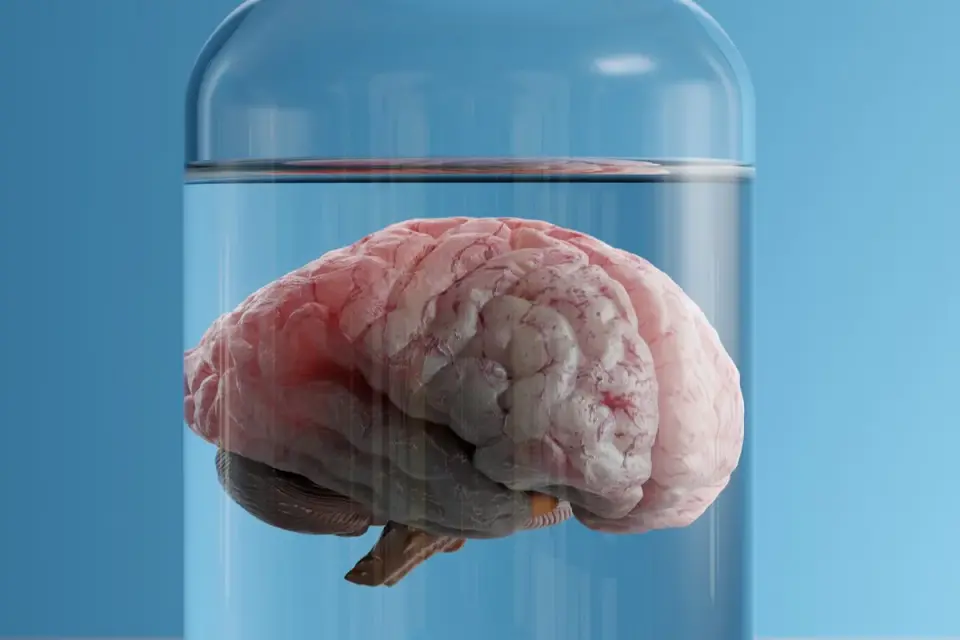
SpaceX launched the CRS-35 mission to the International Space Station on October 13, 2026, carrying miniature human brain and heart models. These organoids will study how microgravity and radiation accelerate aging, with results expected to aid both astronaut health and Earth-based medical treatments.
Key points
- SpaceX launched the CRS-35 mission from Cape Canaveral on October 13, 2026, carrying 6,300 pounds of cargo to the ISS.
- The mission includes the final pair of Roll-Out Solar Arrays for the space station.
- Miniature human brain models, known as miBrains, were sent to study cellular responses to spaceflight.
- Up to 16 beating cardiovascular organoids were launched to test heart and vascular function in microgravity.
- The experiments are part of a joint effort by NASA, Mount Sinai, and Space Tango.
- Researchers aim to understand how spaceflight accelerates aging, which may help treat diseases on Earth.
Background
This launch follows the recent return of Crew-12 to Earth on October 8, 2026, after a 237-day mission. The CRS-35 mission is the 35th Commercial Resupply Services flight for NASA, continuing a series of logistical and scientific deliveries to the ISS.
How outlets are covering it
The Independent highlighted the launch of mini human brains as a key part of the NASA experiment. ABC News emphasized the broader health implications, noting that six months in space can equal 10 to 20 years of aging on Earth. NASA Science detailed four distinct investigations, including brain models, crop disease studies, and antibiotic-resistant bacteria. Mount Sinai focused on the specific scientific goals of the miBrain and cardiovascular organoid projects, stressing their potential to identify biomarkers for neurological and cardiovascular risks.
Why it matters
Understanding how spaceflight affects human organs could lead to better medical treatments for aging and neurodegenerative diseases on Earth. Additionally, this research is critical for preparing astronauts for future long-duration missions to the Moon and Mars, where medical support will be limited.
What to watch
The Dragon capsule is expected to dock with the ISS on October 15, 2026. The brain models will remain in orbit for five weeks, while the cardiovascular organoids will undergo daily testing. Results from these experiments will be analyzed to develop countermeasures for astronaut health and potential therapies for Earth-based populations.
- SpaceX sends mini human brains to space as part of Nasa experiment The Independent
- Mini organs launching to space may help future astronauts and humans on Earth stay healthy ABC News - Breaking News, Latest News and Videos
- Aboard New Mission to ISS: Bunch of Tiny Brains, Hearts Newser
- NASA’s SpaceX CRS-35 Mission to Launch Health Research NASA Science (.gov)
- Mount Sinai Scientists to Send Human Tissue Models Into Space to Study Brain, Heart Health, and Aging in Microgravity Mount Sinai
Want the full story? Read the original reporting
Read on The Independent