
Bianfu Cave Fossils Reveal Denisovan Lifestyle in Subtropical China
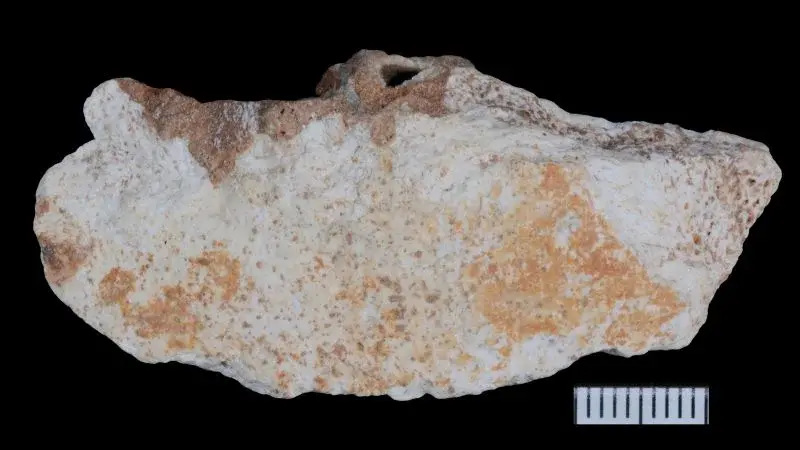
Archaeologists have identified seven Denisovan fossils in Bianfu Cave, Yunnan, China, including teeth, skull fragments, and an arm bone. Dated between 167,000 and 134,000 years ago, these remains confirm the species lived in subtropical conifer forests. The discovery provides the first direct link between Denisovan fossils and cultural artifacts, offering insights into their hunting strategies and tool use.
Key points
- Seven Denisovan fossils, including four teeth, two skull fragments, and an arm bone, were excavated from Bianfu Cave in Yunnan province.
- The fossils date to 167,000–134,000 years ago, while stone tools suggest occupation from 190,000 to 70,000 years ago.
- Protein analysis confirmed the fossils as Denisovan, as ancient DNA did not survive due to the warm climate and age of the remains.
- The site is the third confirmed location for Denisovans, expanding their known range to subtropical Asia.
- Evidence indicates Denisovans hunted large prey like water buffalo and gaur, and used expedient stone and bone tools.
Background
Denisovans were first identified in 2010 from DNA in a finger bone found in Denisova Cave, Siberia. Prior to this discovery, physical remains were scarce, with most evidence coming from isolated finds like the 'Dragon Man' skull in northeastern China. This new site adds to the understanding of Denisovan distribution across Asia, complementing previous finds in Siberia and the Tibetan Plateau.
How outlets are covering it
CNN and Scientific American both highlight the significance of the Bianfu Cave finds in understanding Denisovan lifestyle and physical traits. Scientific American emphasizes the arm bone’s similarity to modern humans over Neanderthals, suggesting Denisovans may have looked more like modern humans. Science News focuses on the richness of the fossil trove and the confirmation of Denisovan presence in a new geographic area. All sources agree on the importance of protein analysis in identifying the fossils due to the lack of preserved DNA.
Why it matters
This discovery provides the first direct association between Denisovan fossils and cultural remains, offering unprecedented insights into their daily lives, hunting practices, and tool use. It expands the known geographic range of Denisovans to subtropical regions, challenging previous assumptions about their habitat. The findings also help clarify the physical appearance of Denisovans, suggesting they may have resembled modern humans more than Neanderthals.
What to watch
Researchers plan to test sediment from the cave floor for hominin DNA to confirm that Denisovans were the sole occupants of the site. Further analysis of the fossils and artifacts may reveal more about Denisovan anatomy, behavior, and interactions with other hominin species.
- Fossil remains unearthed in China offer new clues about how Denisovans lived CNN
- Denisovan tools from cave in China shows how mysterious humans lived New Scientist
- Scientists unlock new clues to what a mysterious ancient human ancestor looked like Scientific American
- First Arm Bone Of A Denisovan Discovered In Chinese Cave, Adding A Fascinating Piece To The Prehistoric Puzzle IFLScience
- Newfound fossils are spilling Denisovan secrets Science News
Want the full story? Read the original reporting
Read on CNN