
Global Moon Night 2026: Telescopes, Artemis II, and Lunar Features
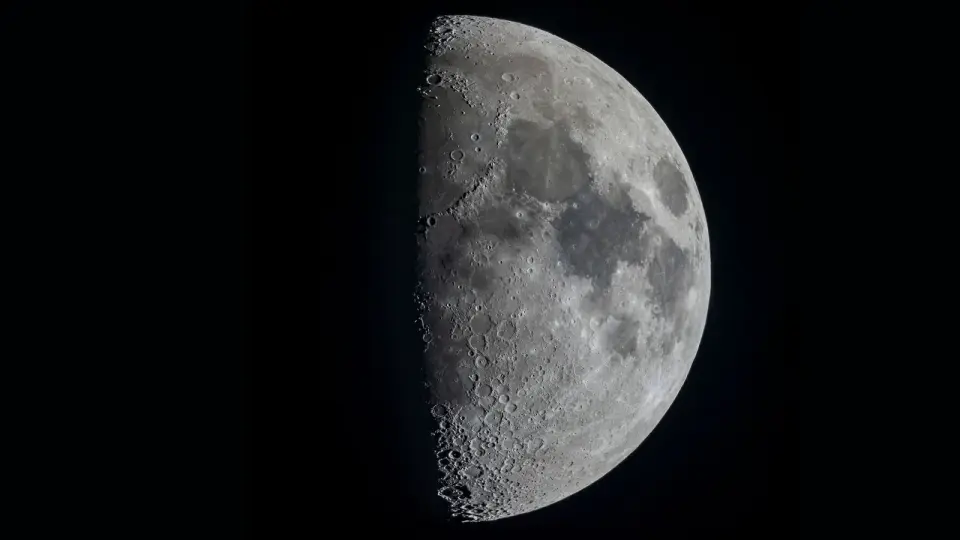
On September 19, 2026, the world celebrates International Observe the Moon Night, a global event organized by NASA to encourage public engagement with lunar science. The Moon is in its first quarter phase, offering optimal lighting for observing surface features like the Montes Apenninus and the Apollo 11 landing site. NASA’s Goddard Space Flight Center hosts a free, family-friendly event featuring telescope views, a real Apollo 14 Moon rock, and talks on Artemis II. The event marks nearly two decades of the initiative, which began in 2009 to celebrate the Lunar Reconnaissance Orbiter.
Key points
- International Observe the Moon Night occurs on September 19, 2026, coinciding with the Moon’s first quarter phase.
- The event is sponsored by NASA’s Lunar Reconnaissance Orbiter (LRO) mission and the Solar System Exploration Division at Goddard Space Flight Center.
- NASA Goddard’s celebration runs from 6:00 p.m. to 9:00 p.m. EDT, featuring telescope views, an Apollo 14 Moon rock display, and talks by planetary scientists.
- The first quarter phase provides ideal lighting for observing lunar features such as the Montes Apenninus, Mare Crisium, and the Tranquility Base.
- The initiative began in 2009 to mark the arrival of the LRO and Lunar Crater Observation and Sensing Satellite at the Moon, becoming international in 2010.
Background
This annual event follows a period of heightened lunar interest, including a near-total lunar eclipse in August 2026 and the Artemis II mission, which saw four humans circle the Moon in April 2026. Recent coverage also highlighted new lunar research, such as simulations suggesting the Moon formed within five hours of the Theia impact and the discovery of a new crater named McGetchin.
How outlets are covering it
Space.com emphasizes practical observing tips, highlighting five specific lunar targets like the Montes Apenninus and Rupes Recta for telescope users. Sky & Telescope focuses on the educational aspect, promoting Charles Wood’s 'Lunar 100' list and suggesting alternatives for cloudy weather, such as NASA’s online activities. NASA’s official coverage details the specific programming at Goddard Space Flight Center, including talks by Dr. Amanda Nahm and Ernie Wright, and highlights the Artemis II mission. The Weather Network provides a broader cultural perspective, noting the Moon’s visibility from different parts of the world and suggesting virtual participation options.
Why it matters
International Observe the Moon Night serves as a bridge between professional lunar science and public engagement, fostering a global community of observers. It highlights the ongoing relevance of lunar exploration, connecting historical missions like Apollo with current endeavors like Artemis II and the Lunar Reconnaissance Orbiter. The event also underscores the Moon’s role as a shared celestial landmark, encouraging people to look up and connect with the universe regardless of their location or access to advanced equipment.
What to watch
Participants can continue observing the Moon in the coming weeks, as its phase changes. NASA’s Lunar Reconnaissance Orbiter will continue to provide new images and data, potentially revealing more features like the newly discovered McGetchin crater. The Artemis program will continue its preparations for future lunar landings, with ongoing research at Goddard Space Flight Center aimed at advancing our understanding of the Moon and the solar system.
- 5 amazing lunar sights to explore on International Observe the Moon Night tonight! Space
- Join the World in Observing the Moon on September 19th Sky & Telescope
- Celebrate International Observe the Moon Night with NASA NASA (.gov)
- Look up Saturday to celebrate International Observe the Moon Night The Weather Network
- The moon takes center stage Saturday night and makes the news WTOP News
Want the full story? Read the original reporting
Read on Space