
Voyager 2 Stretches Interstellar Lifespan With Grounded Power Swap
TL;DR
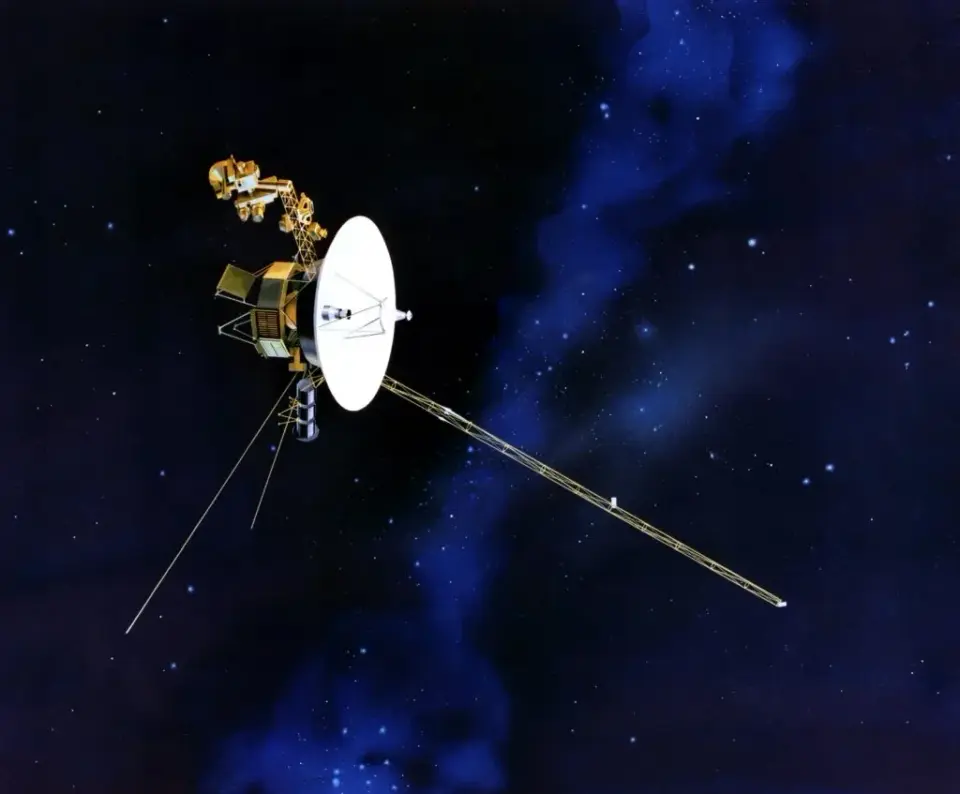
NASA’s Voyager 2 gained at least a year of extra operational life not by touching the spacecraft, but via a coordinated ground-based power swap called the “Big Bang” that swaps in lower-power components while keeping critical heaters and instruments online. With a roughly 39-hour command cycle (about 19.5 hours to reach the probe and the same back), engineers plan far in advance, since there’s no live troubleshooting. The change reduces power demand from aging RTGs and preserves science measurements from three active instruments in interstellar space; Voyager 1 will receive a similar upgrade in the coming months.
- NASA engineers working to extend the Voyager missions cannot physically touch the spacecraft, cannot send a replacement part, and must wait nearly 24 hours for every command to arrive — and another 24 hours for the reply — yet they just bought Voyager Space Daily
- NASA figured out how to keep its 48-year-old Voyager 2 probe running for yet another year Space
- NASA Engineers Help Prolong Voyager 2’s Science Mission NASA Science (.gov)
- NASA gives Voyager 2 a new lease on life nearly 48 years after launch scrippsnews.com
- How NASA is powering the Voyager 2 probe from a galaxy away Mashable
Want the full story? Read the original reporting
Read on Space Daily