
SpaceX Rocket Stage Crashes into Moon, Sparking Debate Over Lunar Debris Governance
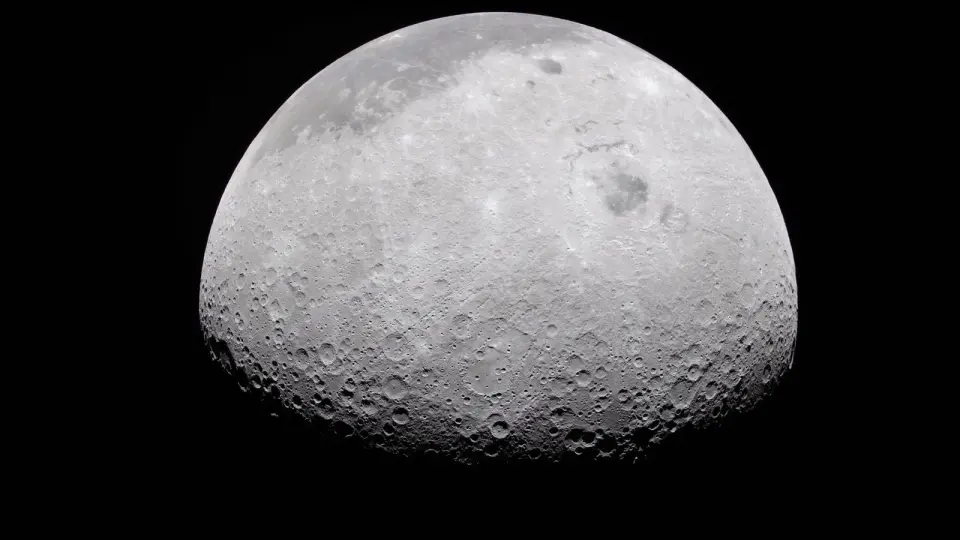
A spent SpaceX Falcon 9 upper stage, launched in January 2025, struck the Moon on August 5, 2026, creating a new crater. While the impact provided valuable scientific data on lunar regolith and impact mechanics, it highlighted the growing lack of international governance for space debris in cislunar space.
Key points
- The 4,000 kg (8,800 lb) rocket stage hit the Moon at approximately 8,700 km/h (5,400 mph) on August 5, 2026.
- The impact created a crater estimated to be 20-27 meters wide and 5 meters deep, releasing energy comparable to several tons of TNT.
- South Korea’s Danuri orbiter captured before-and-after images of the impact site, while ground-based telescopes in Chile detected gaseous sodium and lithium plumes.
- Experts warn that as lunar missions increase, the Moon risks becoming a dumping ground for space debris, with approximately 200 tons of human-made material already present.
- The incident underscores the need for better tracking and governance of debris in the region between Earth and the Moon, as current international agreements have not kept pace with commercial and multi-national exploration.
Background
This incident follows a decade of increased lunar activity, including missions by China, the US, and private companies. It occurs against a backdrop of growing concerns about space debris, as highlighted by recent discussions on asteroid early-warning systems and the need for better tracking of objects in cislunar space.
How outlets are covering it
Space.com and ZME Science emphasize the scientific value of the impact, noting that it provided data on lunar regolith and impact mechanics. However, they also highlight the growing concern over space debris, with Space.com quoting Jonathan McDowell on the lack of governance. Inspenet focuses on the detection of the impact via telescopes and the broader issue of debris management. SWI swissinfo.ch highlights the scientific benefits of the impact for understanding the Moon's geological history, while also noting the changing perception of the Moon as an inert body and the need for better protection of certain areas.
Why it matters
The incident highlights the need for better governance and tracking of space debris as lunar exploration intensifies. It also underscores the scientific value of such impacts, which can provide data on lunar regolith and impact mechanics, but raises concerns about the Moon becoming a dumping ground for space debris.
What to watch
Experts expect more such incidents as lunar missions increase. There is a growing call for better tracking of debris in cislunar space and for international agreements to govern the disposal of rocket stages and other objects. The scientific community will continue to analyze the data from the impact to better understand the Moon's geological history and the mechanics of impacts.
- Will the new moon race turn Earth's nearest neighbor into a dumping ground? Space
- The SpaceX Rocket Finally Hit the Moon. Here’s What Scientists Saw ZME Science
- Rocket debris crashed into the moon—why this could threaten future lunar bases Phys.org
- SpaceX rocket impact on the Moon Inspenet
- SpaceX leaves its mark on the Moon, Trump’s odyssey, and scepticism of Fed head SWI swissinfo.ch
Want the full story? Read the original reporting
Read on Space