
Voyager 1 Hits One Light-Day Mark, Prompting Global Light Show and JPL Briefing
NASA’s Voyager 1 will reach a distance of one light-day from Earth on November 18, 2026, becoming the first human-made object to do so. The probe, launched in 1977, is now over 16 billion miles away, requiring 24 hours for radio signals to travel between Earth and the spacecraft. NASA is celebrating the milestone with a global public event and a briefing at JPL.
Key points
- Voyager 1 will reach a distance of one light-day from Earth on November 18, 2026, becoming the first human-made object to do so.
- The probe, launched in 1977, is now over 16 billion miles away, requiring 24 hours for radio signals to travel between Earth and the spacecraft.
- NASA is celebrating the milestone with a global public event and a briefing at JPL.
- Voyager 1’s camera was turned off in 1990, but it continues to study the radiation environment of space using magnetic field and plasma detectors.
- Scientists suspect the probe will fully run out of power in the 2030s.
Background
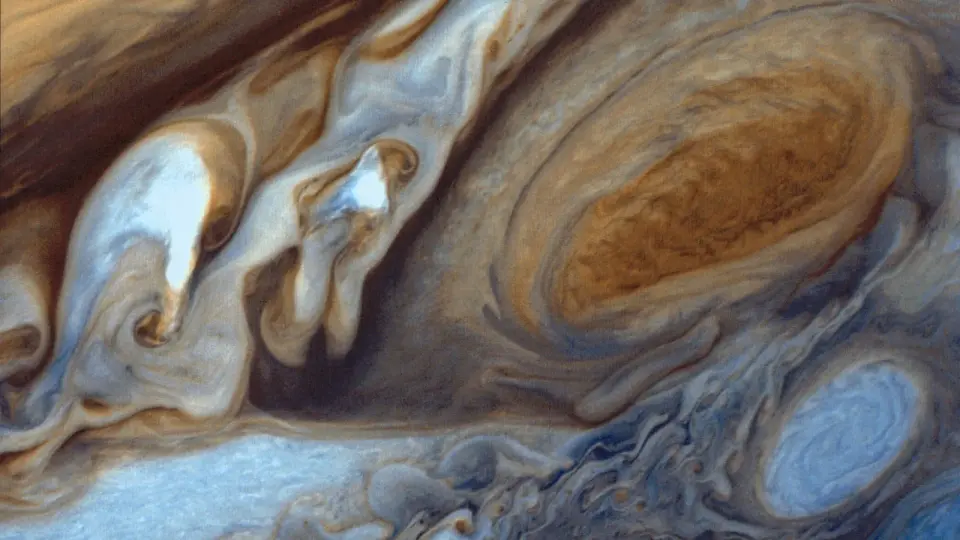
Voyager 1 was launched in 1977 and has been exploring the solar system since. It entered interstellar space in 2012. The probe has taken tens of thousands of images of the outer planets, including Jupiter and its moons. In 1979, Voyager 1 discovered Jupiter’s thin ring system and the first volcanic eruption on a world beyond Earth, specifically on the moon Io. These observations transformed our understanding of the outer planets.
How outlets are covering it
Live Science emphasizes the historical significance of Voyager 1’s observations of Jupiter, highlighting the discovery of its ring system and volcanic activity on Io. NASA focuses on the upcoming milestone and the public events planned to celebrate it, including a global light show and a briefing at JPL. Mashable provides perspective on the vast distance of one light-day, comparing it to other cosmic scales and noting that Voyager 1 is heading toward the star Gliese 445, which it will reach in about 40,000 years.
Why it matters
Voyager 1’s achievement marks a significant milestone in space exploration, demonstrating the capabilities of human-made technology to travel vast distances. The probe’s continued operation, despite dwindling power, provides unique scientific data from interstellar space. The global events and briefing highlight the cultural and scientific significance of the mission, while the probe’s eventual power loss in the 2030s underscores the challenges of long-term space exploration.
What to watch
NASA will host a global light show on November 17, 2026, and a briefing at JPL on November 19, 2026. The briefing will include discussions about the status of Voyager 1 and 2, the science they continue to gather, and the challenges of keeping the spacecraft operating. A preview of the upcoming NASA+ Voyager documentary, planned for release in 2027, will also be shown. Voyager 1 is expected to fully run out of power in the 2030s.
- NASA's Voyager 1 mission forever changed our view of Jupiter (photos) Live Science
- NASA Invites Media, Public to Join Voyager 1 One-Light Day Activities NASA (.gov)
- NASA's Voyager 1 probe poised to achieve mega-distance milestone Reuters
- NASA’s Voyager 1 closes in on a light-day in interstellar space for a new distance record AP News
- Voyager 1 one light-day milestone: Ways to put the distance in perspective Mashable
Want the full story? Read the original reporting
Read on Live Science