
"James Webb Telescope: A Galactic Life Detector for Earth, Study Finds"
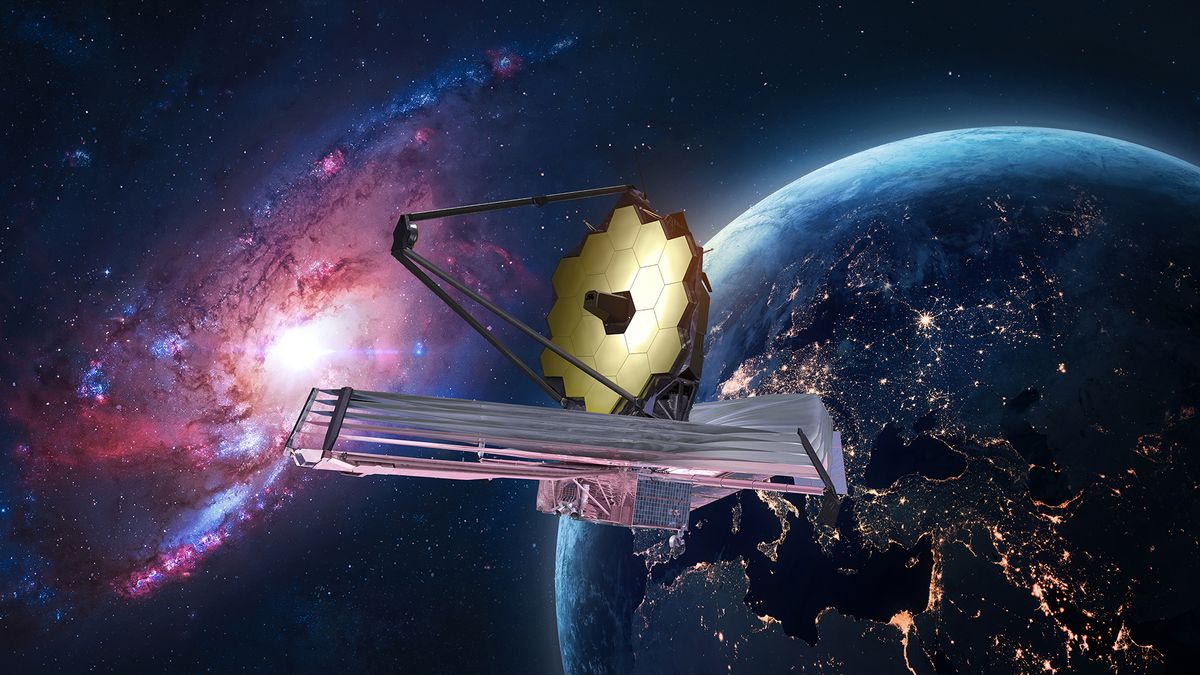
A new study suggests that the James Webb Space Telescope (JWST) could potentially detect signs of intelligent life on Earth if it were observing us from another star system in the Milky Way. While the primary objective of the JWST is to study the early universe, one of its secondary goals is to analyze the atmospheres of exoplanets for biosignatures and technosignatures. The study simulated JWST's sensor capabilities and found that it could likely detect key markers of non-intelligent and intelligent life in Earth's atmosphere. The researchers believe that the telescope could potentially detect signs of extraterrestrial life up to 50 light-years away. However, interpreting life-signatures on other planets may be challenging without contextual knowledge about the habitable environment.
Reading Insights
0
11
3 min
vs 4 min read
84%
754 → 119 words
Want the full story? Read the original article
Read on Livescience.com