Space microbes and geopolitics: are we ready for the fallout?
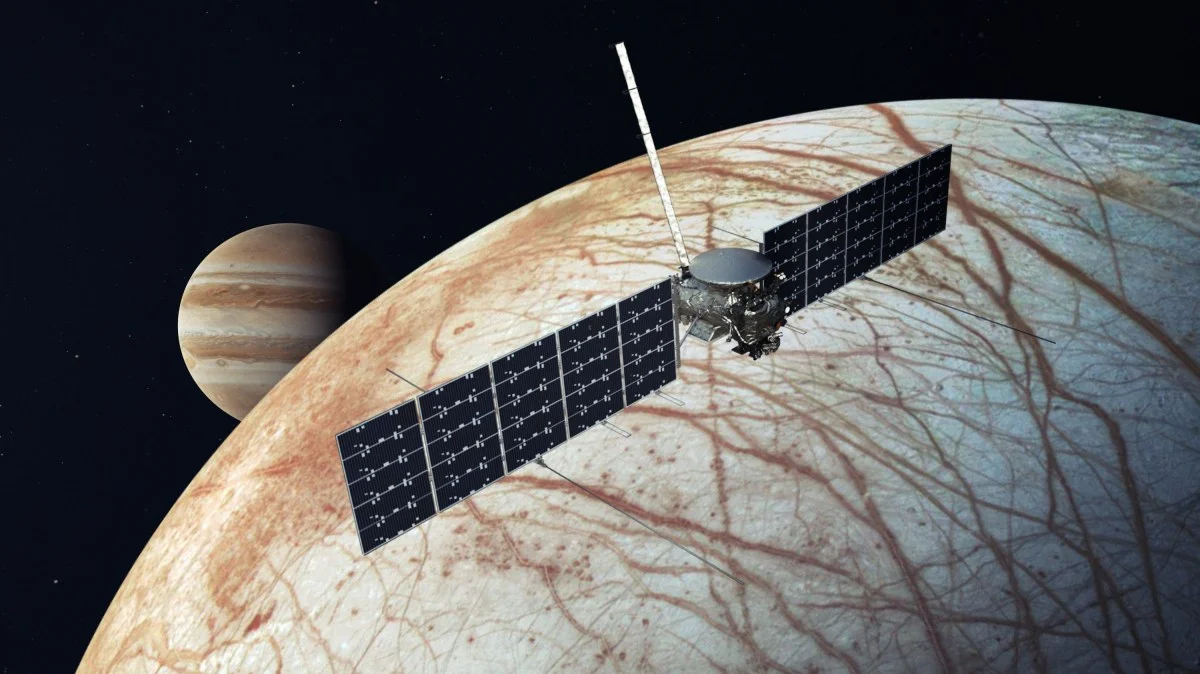
As more missions search for extraterrestrial microbes, scholars warn that current space governance—centered on the Outer Space Treaty—lacks clear rules on ownership and biosecurity and could be ill-equipped to manage the consequences of a confirmed discovery. The article outlines three potential futures—cooperation, competition, or isolation—examines how private actors like SpaceX complicate access, and argues for scenario-based planning now to prepare for the geopolitical, scientific and societal ripple effects of finding space life.