
Katalyst’s Link spacecraft re-enters Earth after failed Swift telescope rescue
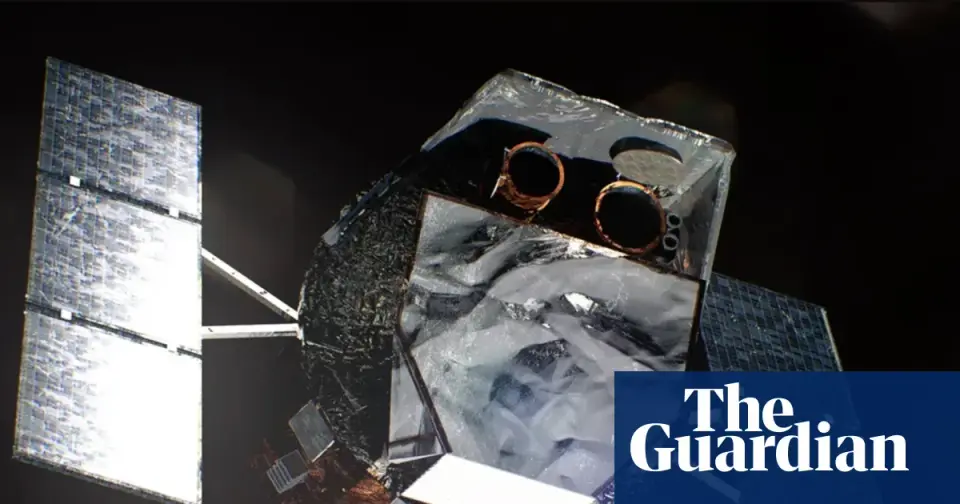
The Link spacecraft, launched in July to rescue the aging Neil Gehrels Swift Observatory, has re-entered Earth’s atmosphere after failing to boost the telescope’s orbit. The 85-day mission ended in failure due to technical issues, leaving Swift to decay and re-enter in November. NASA and Katalyst view the attempt as a valuable test of commercial satellite servicing capabilities despite the outcome.
Key points
- Link, billed as America’s first commercial space robot, launched on July 3 from Kwajalein Atoll to rescue the 22-year-old Swift Observatory.
- The spacecraft approached within 7 to 9 miles of Swift but failed to capture it due to in-flight problems with motion control and communications.
- Two of Link’s three reaction wheels were rendered inactive after launch, and the spacecraft experienced a deep spin, leading to insufficient fuel for the boost.
- Swift, which studies gamma-ray bursts, will re-enter Earth’s atmosphere in November after its orbit decays due to atmospheric drag.
- NASA Administrator Jared Isaacman and Astrophysics Division Director Shawn Domagal-Goldman praised the mission for advancing US spacecraft servicing technology despite the failure.
Background
The Neil Gehrels Swift Observatory, launched in 2004, had its lifespan shortened by intense solar flare-ups it was designed to observe. NASA suspended its observations earlier in 2026 to minimize atmospheric drag while preparing the rescue. Previous coverage noted that Swift resumed two of its three science instruments after the rescue plan was abandoned, but its orbit continued to decay. The $30 million contract awarded to Katalyst Space Technologies in September 2024 was part of an effort to test commercial satellite servicing, with Hubble potentially being a future target if the mission had succeeded.
Why it matters
The failure of the Link mission highlights the risks and challenges of commercial satellite servicing in low Earth orbit. While the rescue did not save Swift, it provided critical data on proximity operations and attitude control, which will inform future efforts to extend the life of aging satellites. The mission also underscores the need for robust technology to maintain critical space assets as more satellites reach end-of-life.
What to watch
Swift is expected to re-enter Earth’s atmosphere in November, ending its 22-year mission. Katalyst Space Technologies will continue to operate Link in orbit to demonstrate proximity operations for future rescue missions. NASA will analyze the data from the failed attempt to improve satellite servicing capabilities, potentially applying lessons to other aging telescopes like Hubble.
Want the full story? Read the original reporting
Read on The Guardian