
NASA Accelerates Lunar Infrastructure with New CLPS Orders and Moon Base Phases
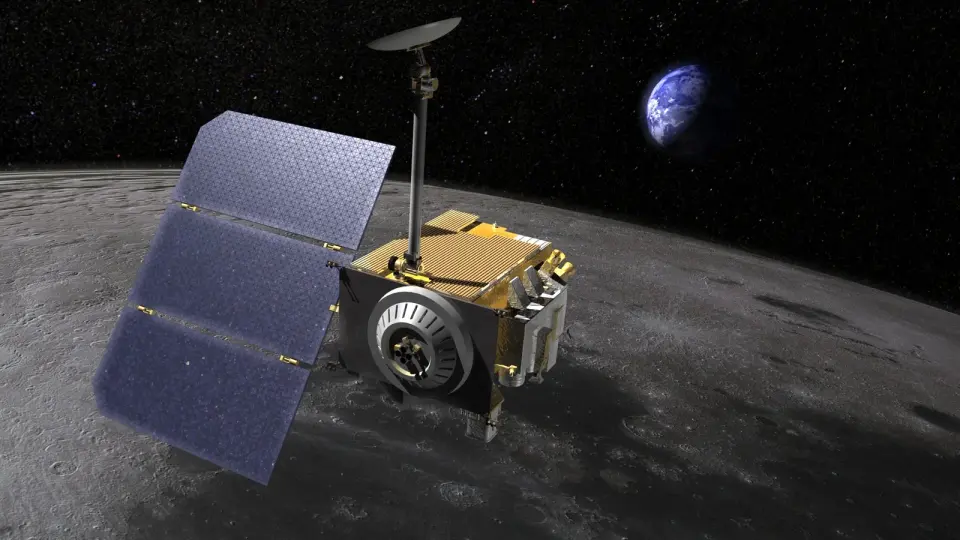
NASA is expanding its Commercial Lunar Payload Services (CLPS) program to support a new Moon Base architecture. Three new task orders are expected by year-end, including a mission to replace the aging Lunar Reconnaissance Orbiter. The agency is shifting toward standardized lander production and larger cargo capacities to build infrastructure at the lunar South Pole, with over 20 robotic landings planned through 2029.
Key points
- NASA expects to award three new CLPS task orders by the end of 2026, including two lander missions and one orbiter imaging service to replace the Lunar Reconnaissance Orbiter (LRO).
- Firefly Aerospace and Intuitive Machines are transitioning from bespoke lander designs to standardized, production-line models to accelerate delivery schedules, with Firefly quadrupling its cleanroom space and Intuitive Machines adding 75,000 square feet of production area.
- The CLPS 2.0 contract, with a maximum value of $10 billion over 10 years, will feature larger landers capable of delivering up to 1 metric ton, with future goals for 2 to 5 metric tons to support the Moon Base.
- NASA’s Moon Base program is structured in three phases: robotic testing by 2029, infrastructure development from 2029 to 2032, and sustained human habitation, aiming for an annual cargo capacity of 38 tons.
- The lunar South Pole presents unique challenges, including steep terrain, limited sunlight, and abrasive regolith, requiring distributed habitats and advanced power systems like nuclear fission.
Background
This development follows earlier reports on the repurposing of Gateway technology for lunar surface demonstrations and the confirmation of Artemis 3’s 2027 launch target. The current push for standardized landers and larger cargo capacities builds on the initial CLPS missions that began in 2019, marking a shift from one-off scientific payloads to a sustained industrial supply chain for the Moon.
How outlets are covering it
SpaceNews highlights the commercial transition to production-line landers and the specific need to replace the aging LRO, noting that NASA has not publicly detailed the successor’s design. In contrast, Chosunilbo emphasizes the international dimension, reporting that NASA views South Korea as a major contributing partner due to its strengths in satellite communications and robotics, specifically referencing the Danuri mission. The Business Standard focuses on the sheer volume of upcoming robotic missions, noting over 20 landings through 2029 and detailing specific progress for partners like Blue Origin and Voyager Technologies. NASA’s own reporting through Shatel Bhakta stresses the technical challenges of the South Pole environment, such as regolith and power storage, framing the Moon Base as a 'small city' rather than a single facility.
Why it matters
The shift to standardized, high-capacity landers and the formalization of the Moon Base architecture mark a critical transition from exploratory missions to sustained infrastructure development. Success in these CLPS 2.0 contracts will determine the pace of lunar industrialization and the feasibility of long-term human presence, directly impacting future Mars exploration capabilities.
What to watch
NASA is expected to award the final task order under the original CLPS contract (CP-32) early next year, followed by the release of proposals for CLPS 2.0 by June 2027. Firefly and Intuitive Machines are currently building larger landers in parallel, with Intuitive Machines targeting a second Nova-D lander for 2029. The first phase of the Moon Base, involving robotic testing, is scheduled to conclude by 2029.
Want the full story? Read the original reporting
Read on SpaceNews