
FCC Greenlights Space Mirror, Igniting Global Debate Over Night Sky Rights
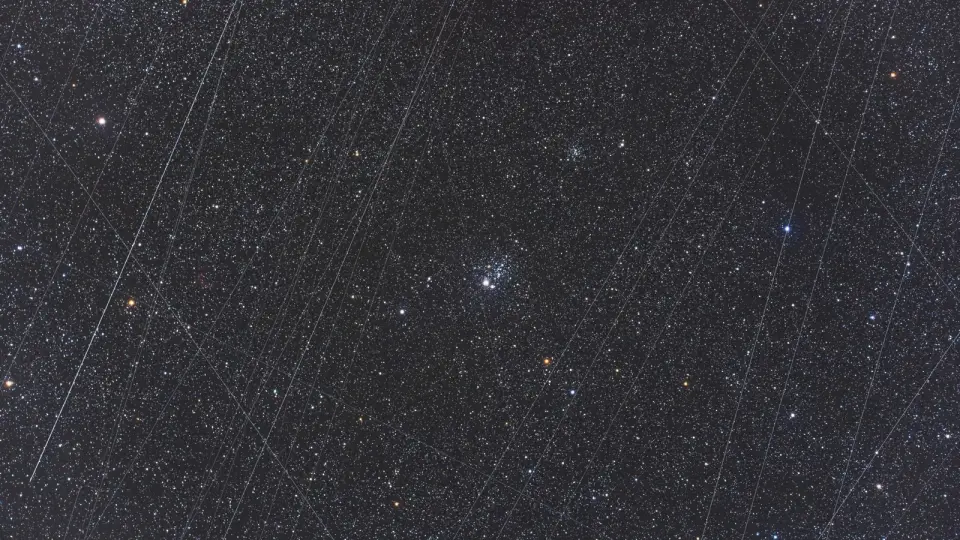
The US Federal Communications Commission approved Reflect Orbital’s Earendil-1 satellite, a mirror designed to beam sunlight to Earth at night. The decision, made despite nearly 2,000 objections, highlights a regulatory gap where international law cannot stop US companies from altering the global night sky.
Key points
- On July 9, the FCC approved Reflect Orbital’s application to launch Earendil-1, a 59-by-59-foot mirror satellite intended to reflect sunlight to Earth after dark.
- The FCC ruled that concerns regarding light pollution, telescope interference, and eye safety fall outside its jurisdiction, which is limited to radio spectrum and debris mitigation.
- Reflect Orbital aims to eventually deploy a constellation of 50,000 mirrors to extend solar energy availability and provide illumination for disaster zones.
- Critics, including the American Astronomical Society, argue the satellite could appear as bright as Venus and pose risks to pilots and astronomers.
- Space law experts note that the UN Outer Space Treaty leaves satellite registration to individual nations, leaving other countries with little legal recourse to block US-licensed projects.
Background
This development follows a decade of US efforts to modernize space mission authorization, which have yet to result in new legislation. The current regulatory framework, built for an older space industry, splits responsibilities among the FAA, FCC, and NOAA, leaving gaps for new technologies like orbiting mirrors and data centers.
How outlets are covering it
Space.com and Astronomy Magazine emphasize the regulatory vacuum, noting that the FCC’s approval ignores astronomical and environmental concerns because its authority is strictly limited to radio frequencies. The Jerusalem Post highlights Reflect Orbital’s energy arguments, noting the company claims sunlight access can reduce fossil fuel dependence, while also detailing the nearly 2,000 public objections. Dezeen reflects the public backlash, citing social media comments that dub the project a 'tech-bro Death Star' and express frustration over the lack of global coordination.
Why it matters
The approval sets a precedent for US companies to alter the global night sky without international consent. If Reflect Orbital’s 50,000-mirror constellation is approved, it could fundamentally change astronomical observations and light pollution levels worldwide, exposing the limitations of current international space law.
What to watch
Reflect Orbital plans to launch Earendil-1 later this year as a proof-of-concept. The FCC will review any future applications for the larger constellation on their own merits, while Washington continues to debate new mission-authorization laws to address emerging space technologies.
- Private companies could ruin the night sky for the entire world, and international law can't stop them Space
- FCC approves Reflect Orbital filing for mirror in space Astronomy Magazine
- Selling light after dark: Satellite designed to reflect sunlight to Earth approved by FCC The Jerusalem Post
- Giant Space Mirrors Are Coming. What Could Go Wrong? Bloomberg.com
- Dezeen Debate features "tech-bro Death Star" Dezeen
Want the full story? Read the original reporting
Read on Space