
Swift Observatory Reenters Earth After 22-Year Gamma-Ray Mission
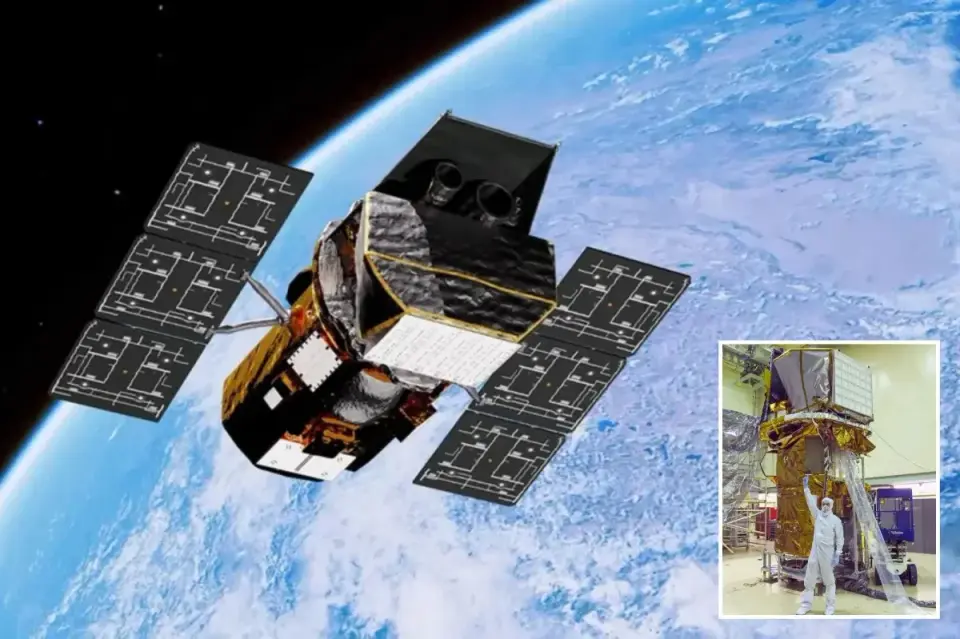
The Neil Gehrels Swift Observatory, a 1.5-ton space telescope, reentered Earth's atmosphere near Indonesia on November 4, 2026, ending a 22-year mission that lasted 11 times longer than planned. The spacecraft's orbit decayed due to intense solar activity, and a commercial rescue attempt by Katalyst Space failed in September. NASA is now evaluating options to save the Hubble Space Telescope, which faces a similar reentry risk by the mid-2030s.
Key points
- The Swift Observatory reentered Earth's atmosphere on November 4, 2026, after a 22-year mission studying gamma-ray bursts and exploding stars.
- The telescope's orbit decayed due to intense solar activity, and a commercial rescue mission by Katalyst Space failed in September after technical issues.
- NASA is now exploring options to save the Hubble Space Telescope, which is expected to reenter by the mid-2030s, with any rescue mission needing to occur by 2032.
- The Swift Observatory was launched in 2004 for a two-year mission but operated for 22 years, serving as a first responder for other telescopes.
Background
The Swift Observatory was launched in 2004 to study gamma-ray bursts and exploding stars, with an expected mission duration of two years. It operated for 22 years, observing thousands of cosmic explosions and serving as a first responder for other telescopes. The spacecraft's orbit decayed due to intense solar activity, and a commercial rescue mission by Katalyst Space failed in September after technical issues. The reentry of Swift is part of a broader trend of aging space telescopes facing reentry risks, with the Hubble Space Telescope expected to reenter by the mid-2030s.
Why it matters
The reentry of the Swift Observatory marks the end of a 22-year mission that provided critical data on cosmic explosions and served as a first responder for other telescopes. The failure of the commercial rescue mission highlights the challenges of extending the life of aging space telescopes, but it also provided valuable data for future satellite servicing technologies. NASA's efforts to save the Hubble Space Telescope underscore the importance of preserving these critical assets for scientific research, with any rescue mission needing to occur by 2032 to avoid an uncontrolled reentry.
What to watch
NASA is gauging industry interest in mounting a rescue mission for the Hubble Space Telescope, which is expected to reenter by the mid-2030s. Any such mission would need to happen by 2032, and NASA is looking for input from private companies on whether and how they might boost Hubble's orbit, upgrade its systems, or guide it to a controlled reentry. The agency has more time to explore options for saving Hubble compared to the rush job with Swift, according to NASA's science mission chief Nicky Fox.
Want the full story? Read the original reporting
Read on New York Post