
Oregon State University proves potatoes can thrive in simulated moon soil with worm compost
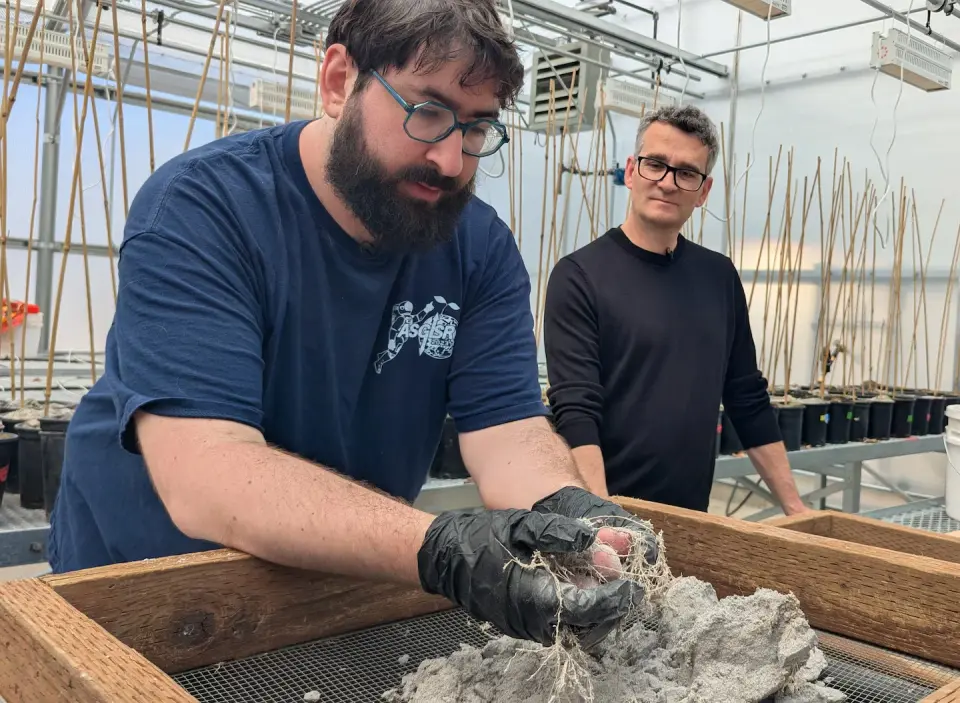
A new study by Oregon State University researchers, published in npj Microgravity, confirms that potatoes can complete their entire life cycle in simulated lunar soil when mixed with vermicompost. The team found that adding 30% worm-based compost to moon dust simulants yields crops comparable to those grown on Earth. This breakthrough supports the feasibility of sustainable food production for future long-term lunar bases, as lunar regolith alone is toxic and lacks necessary nutrients.
Key points
- Potatoes grown in simulated lunar regolith mixed with 30% vermicompost produced yields identical to those in Earth soil.
- Lunar regolith contains heavy metals and lacks nitrogen, making it hostile to plant life without organic supplementation.
- Vermicompost helps bind heavy metals, preventing toxic accumulation in the plants and allowing roots and tubers to develop.
- The study used the Modoc potato variety, an early-maturing cultivar, to test viability in five different types of simulated moon dust.
- Researchers noted that while small-scale tests produced tiny potatoes, larger pots yielded store-sized produce, though the initial samples were used for lab analysis rather than consumption.
Background
This research aligns with recent NASA initiatives, including the opening of applications for the 25th astronaut class in November 2026, aimed at supporting a 2028 lunar return and the construction of a permanent base. Both the United States and China have announced plans for long-term lunar bases near the south pole, creating a critical need for local food production systems that do not rely entirely on costly Earth shipments. Previous studies, such as a 2017 trial in Peru, had already suggested potatoes could sprout in Martian conditions, but this is the first to confirm full life-cycle viability in lunar simulants.
How outlets are covering it
The Washington Post highlights the potential for astronauts to grow potatoes on the moon, emphasizing the role of earthworms and organic fertilizer. Popular Science focuses on the nutritional equivalence of the lunar-grown potatoes, noting that they did not show statistically significant increases in toxic glycoalkaloids compared to Earth-grown crops. The Guardian provides broader context, noting that while potatoes are a strong candidate due to their high calorie and nutrient density, other crops like chickpeas, tomatoes, and lettuce are also being researched. All sources agree that vermicompost is essential for neutralizing the toxicity of lunar regolith, but they differ in emphasis: Popular Science stresses the safety and nutritional value, while The Guardian highlights the potential applications of these soil remediation techniques for agriculture on Earth in low-output regions.
Why it matters
This study is a critical step toward making long-term human presence on the moon viable. By proving that a staple crop can be grown in simulated lunar conditions, researchers have demonstrated a method to reduce the reliance on expensive and limited cargo shipments from Earth. The techniques developed for neutralizing heavy metals in moon dust could also have applications for improving soil quality and remediating contaminated agricultural lands on Earth, benefiting communities in deserts and inner cities that currently rely on external food shipments.
What to watch
The research team at Oregon State University plans to compare ten specific potato varieties to determine which are the most nutritious and resilient for future astronauts. They will also continue testing larger-scale growing methods to ensure consistent yields. As NASA and China race to establish permanent bases, further studies will likely focus on integrating these agricultural techniques into the design of lunar greenhouses and life support systems.
- Could astronauts grow potatoes on the moon? Scientists are digging in. The Washington Post
- Potatoes grown in simulated lunar soil match Earth-grown performance Phys.org
- Scientists succeed in growing potatoes in simulated moon soil Reuters
- Potatoes grown in moon dirt are as nutritious as Earth potatoes Popular Science
- Spuds in space: scientists say potatoes could be key food source for future moon base The Guardian
Want the full story? Read the original reporting
Read on The Washington Post