
Fossil fuels drive record European marine heatwaves, study confirms
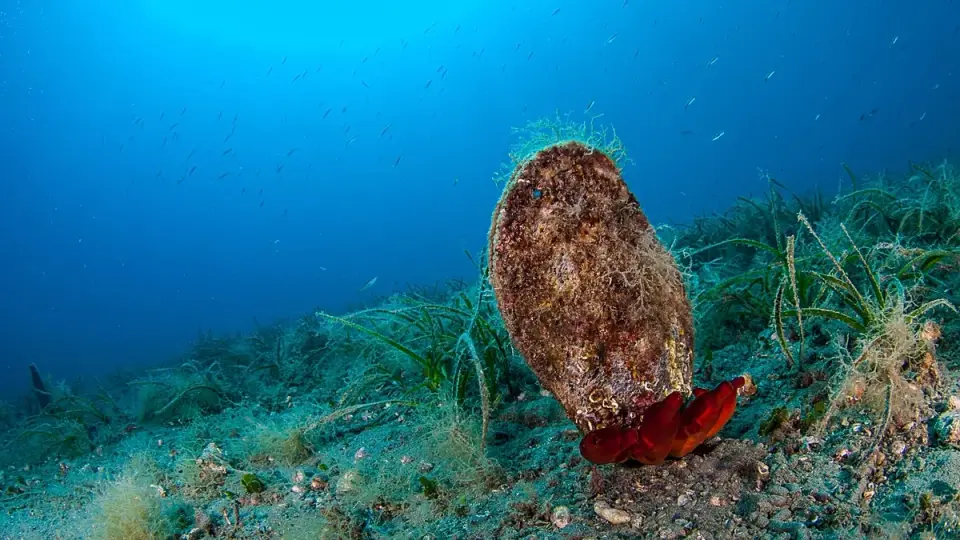
A new study by World Weather Attribution confirms that fossil fuel emissions are the primary driver of record-breaking ocean temperatures in Europe this summer. Climate change added approximately 2°C to Mediterranean waters and 1.3-1.4°C to Atlantic regions. This warming has expanded marine heatwaves to cover 90% of the Bay of Biscay and 80% of the Western Mediterranean, causing severe ecological shifts, including species migration and mass die-offs of heat-sensitive organisms like corals.
Key points
- World Weather Attribution attributes the 2026 European marine heatwaves primarily to climate change, with fossil fuel burning driving the excess heat.
- Mediterranean Sea temperatures rose by about 2°C above normal, while Western European seas warmed by 1.3-1.4°C.
- Marine heatwaves affected 90% of the Bay of Biscay and 80% of the Western Mediterranean; without climate change, these figures would be roughly half.
- Ecological impacts include species shifting north, disruption of food chains, and mass die-offs of corals and macroalgae due to temperature thresholds.
- Warmer seas are increasing coastal humidity and storm energy, potentially exacerbating extreme weather events on land.
Background
This development follows earlier reports in August 2026 highlighting unprecedented marine heatwaves in Europe, where some areas recorded temperatures 6°C above average. Previous coverage noted that July Mediterranean temperatures reached record highs, with specific locations off Mallorca exceeding 33°C. The current study provides a definitive attribution analysis, confirming that these extreme conditions are not natural variations but are directly linked to human-caused warming, contrasting with earlier speculative reports on ocean temperatures.
How outlets are covering it
Euronews and Politico.eu emphasize the direct link between fossil fuel burning and the 'alarming' surge in temperatures, highlighting the severe ecological consequences such as species migration and ecosystem reshuffling. The Guardian focuses heavily on the 'massive expansion' of heatwave areas, noting that the hottest fortnights would have been 'virtually impossible' in a pre-industrial climate. While all outlets agree on the severity, The Guardian and Politico.eu provide more specific data on the expansion of heatwave zones (e.g., dropping from 70% to 9% in the Eastern Mediterranean without warming) and the knock-on effects on land-based extreme weather, whereas Euronews places more emphasis on the immediate ecological 'winners and losers' dynamic, such as jellyfish proliferation and octopus migration in the UK.
Why it matters
The study confirms that marine heatwaves are no longer isolated events but widespread phenomena driven by human activity, threatening global food security and coastal infrastructure. The expansion of heatwave areas by nearly 100% in some regions indicates a tipping point for marine ecosystems, with potential long-term consequences for fisheries, biodiversity, and coastal weather patterns. This underscores the urgency of reducing fossil fuel emissions to prevent irreversible damage to ocean habitats.
What to watch
Researchers expect continued monitoring of sea surface temperatures to track the persistence of these heatwaves. Policymakers may face increased pressure to accelerate fossil fuel phase-outs, as the study highlights the direct link between current emissions and ecological collapse. Further studies may explore the long-term impacts on coastal communities and the potential for increased storm intensity due to warmer ocean surfaces.
- Mediterranean sea has warmed by 2°C this summer – here’s why Euronews.com
- Climate change is driving record heat in Europe's seas, scientists say Reuters
- Carbon pollution has fuelled ‘massive expansion’ of marine heatwaves in Europe, study finds The Guardian
- Ocean Heat Threatens to Supercharge Storm Season in Europe Bloomberg
- Climate change is cooking Europe’s oceans, scientists find politico.eu
Want the full story? Read the original reporting
Read on Euronews.com