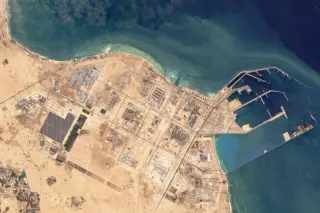
A deepening conflict in the Persian Gulf has disrupted oil and gas markets and prompted Europe and Asia to turn back to coal as a readily available substitute amid a fresh gas supply crunch, with Asia’s LNG importers—Japan, South Korea and Taiwan—leading the expected rise in coal demand.
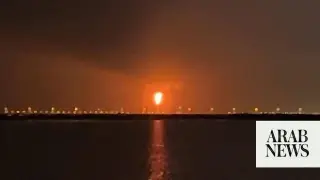
Strikes on Iran’s gas infrastructure, including a pipeline supplying a Khorramshahr power plant and facilities in Isfahan, signal rising vulnerability of energy systems as the conflict broadens. The incidents could disrupt domestic supply and regional flows, potentially lifting energy prices and inflation with spillovers to currencies and rates; reports come from Fars News Agency and are part of ongoing monitoring of escalating tensions.
Shut Strait of Hormuz keeps about a fifth of worldwide oil and LNG supply stranded, pushing Brent to around $112 and European gas prices up sharply, signaling a persistent energy shock that traders expect to endure even in the best-case scenario.
Russia dispatched two tankers—Sea Horse with roughly 27,000 tons of gas and Anatoly Kolodkin carrying about 725,000–728,000 barrels of oil—to Cuba, its first energy shipments in three months, as Havana struggles with shortages amid the U.S. blockade; Sea Horse is due soon and Anatoly Kolodkin in early April, with Moscow pledging ongoing support.
Iran’s foreign minister warned of “zero restraint” if its energy infrastructure is hit again, after Israel struck the South Pars gas field and Iran retaliated against Qatar’s Ras Laffan complex. QatarEnergy estimated about $20 billion in damage, with 12.8 million tonnes per year of LNG offline for 3–5 years, threatening European supplies. The incidents sent oil and gas prices higher and fueled a global market selloff, while world powers urged de-escalation and discussed safe passage through the Hormuz Strait.
New Yorkers faced a gas-pump shock as regular unleaded averaged $3.58 a gallon in NYC—up from $2.86 three weeks earlier, with some stations flirting with $4—as the Iran-related disruption of the Strait of Hormuz pushed prices higher. The national average rose 26 cents in a week to $3.68, about a 70-cent jump since the war began. President Biden ordered the release of 172 million barrels from the Strategic Petroleum Reserve—the largest in U.S. history—to ease shortages, though it will cover only roughly eight days of demand. With crude around $100 a barrel and cleaner, summer-blend gasoline more expensive to produce, the surge may linger for a while.
Daily Kos argues that Wall Street is underestimating a mounting oil crisis triggered by Trump’s Iran conflict, as UAE, Iraq, Saudi Arabia, and Kuwait cut production by up to 6.7 million barrels per day (about 6% of global supply) and the Strait of Hormuz faces disruption, implying prolonged price volatility and higher gasoline costs even if stock markets stay buoyant.
A renewed geopolitical crisis around Iran pushes oil above $100 and lifts European gas prices, reviving 2022-style energy fears as shipping routes in the Strait of Hormuz become a flashpoint. G7 ministers contemplate emergency measures while EU officials discuss stockpiles and potential price tools, with analysts warning that a protracted war could trigger a broader inflationary, stagflationary hit for Europe.
Israeli strikes on Iran's fuel depots reveal Tehran's fragile energy lifeline: the regime relies on oil exports—about $40 billion in 2025 from roughly 2 million barrels per day—largely sold to China through a sanctioned ghost fleet, while aging gas-gens and cyberattacks threaten domestic power. A hit to key hubs like Bandar Abbas could trigger fuel shortages and unrest, even as global markets feel the spillover with oil near $100 a barrel and U.S. gasoline prices rising, prompting discussion of long-term energy-protection strategies after any regime change.
Trump called the oil-price surge a “very small price to pay” for safety as Iran’s war intensifies and prices push above $100 a barrel, while U.S. Energy Secretary Chris Wright warned gasoline could stay expensive for weeks rather than months as supply disruptions and market fears ripple through global oil markets.
Hungary and Slovakia announced plans to sue the EU over its ban on imports of Russian gas, arguing the move would raise energy costs and ignore national circumstances; Hungary said proceedings would begin once the law takes effect (likely February), and Slovakia likewise signaled legal action. The EU intends to end Russian gas by 2027, with a broader crude ban expected later, a policy both countries opposed.
Pacific Gas and Electric Company announced that starting January 1, residential electricity rates will decrease by about 5%, saving the average customer around $7 per month, with natural gas rates dropping by 3%. The rate cuts are part of PG&E's efforts to stabilize energy costs amid rising national prices, and residents in the Central Valley may see even larger savings.
A detailed analysis shows that, based on US averages, charging an electric vehicle at home is generally cheaper than fueling a gas-powered car, with EV charging costing around $73 per month compared to $159 for gas, leading to annual savings of about $1,032, though costs vary by location and charging method.
Gazprom's shares dropped over 3% after signing a non-binding memorandum with China to develop the long-delayed Power of Siberia 2 pipeline, raising concerns about project costs, funding, and its impact on Gazprom's finances amid ongoing geopolitical and economic challenges.
The New York State Public Service Commission approved a rate increase for National Grid, leading to a 10% rise in bills next month and an overall increase of about $600 annually for the average household in Upstate New York within three years.