Tunguska 1908: How a Siberian Skyburst Redefined Our View of Space Threats
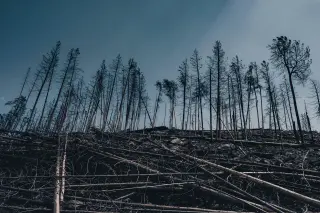
A 1908 Tunguska skyburst over Siberia flattened forests across a vast area without a crater, forcing a shift in meteor science toward recognizing airbursts and the potential for atmospheric explosions to cause widespread damage. The long-standing asteroid-or-comet identity debate persisted for decades, but later events like Chelyabinsk highlighted the real threat of such bursts. Today, improved detection and defense efforts—through projects like NASA's NEO Surveyor, the Vera Rubin Observatory, and the DART mission—aim to forecast and, if needed, alter the course of hazardous near-Earth objects, though warning times remain highly dependent on an object's approach vector.